Fed Minutes Show Officials Mulling Rate Hikes as Tariff Inflation Persists
Minutes from the Federal Reserve March meeting reveal that multiple officials raised the possibility of raising interest rates rather than cutting them, as tariffs and Middle East energy prices push inflation higher.
Federal Reserve officials openly discussed the possibility of raising interest rates at their March 17-18 meeting, according to minutes released Wednesday — a striking shift in tone from an institution that entered 2026 expecting to deliver multiple rate cuts. The minutes reveal a central bank increasingly worried that tariff-driven inflation and surging energy prices from the Middle East conflict could force a reversal of the easing cycle that began in late 2024.
The Federal Open Market Committee voted 11-1 to hold rates steady at their current target range of 3.5% to 3.75%, but the minutes made clear that the unanimity of the hold masks significant internal disagreement about the future path. Multiple participants pushed for language in the committee's statement that would describe policy as "two-sided" — explicitly acknowledging that the next rate move could be up as easily as down. "Some participants noted that the risks to inflation were skewed to the upside," the minutes stated, reflecting anxiety about the pass-through of import tariffs and elevated energy costs into consumer prices.
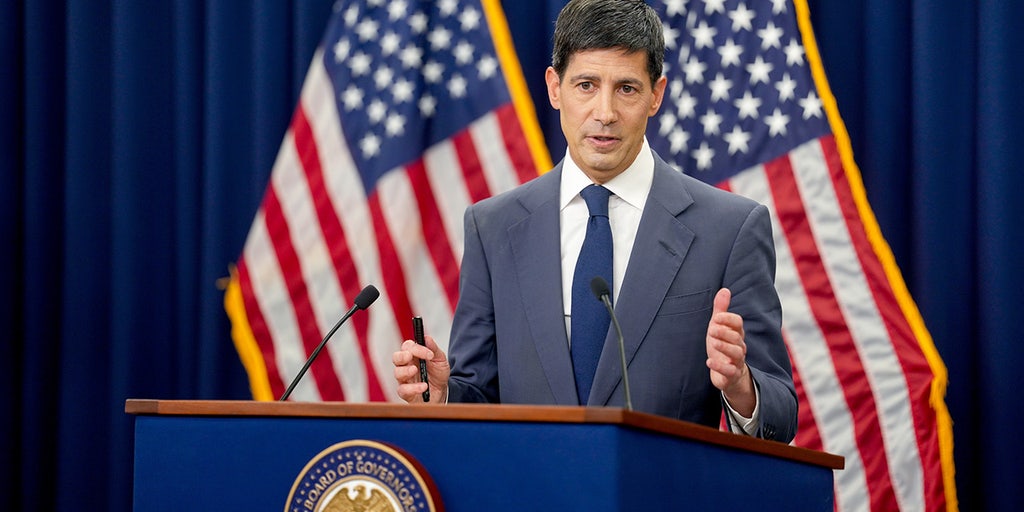
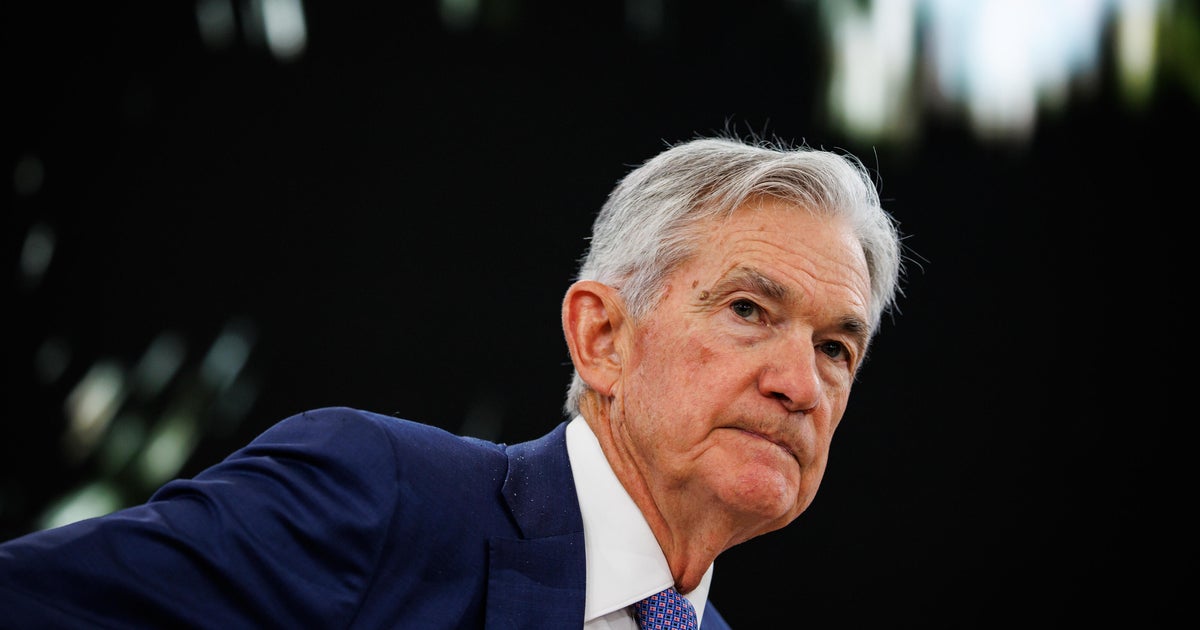
The lone dissenter was Stephen Miran, an academic economist appointed to the Fed board earlier this year, who voted for a 25 basis point cut, arguing that labor market softness warranted immediate easing. But his colleagues appeared unconvinced. Fed Chair Jerome Powell, speaking at a press conference following the March meeting, acknowledged the complexity of the situation with unusual candor. "Effectively, there's zero net job creation in the private sector," Powell told reporters, while simultaneously cautioning against premature rate cuts in an environment where inflation remains stubbornly above target.
The minutes note that core goods inflation — heavily influenced by tariffs — remained "well above the pace likely to be consistent with" the Fed's 2% inflation goal. Energy prices, which have surged roughly 50% since the United States began military operations against Iran in late February, are an additional complicating factor. "After several years of above-target inflation, longer-term inflation expectations could become more sensitive to energy price increases," the minutes warned, flagging the risk that the Fed's hard-won credibility on inflation could come under pressure if oil prices remain elevated.
The Fed's updated economic projections, also released in March, illustrate the bind. Officials now forecast GDP growth of 2.4% for 2026, headline inflation of 2.7% — up from December's 2.4% projection — and core inflation of 2.7%, also revised higher. Unemployment is seen holding steady at 4.4%. The projection for rate cuts in 2026 has been pared back to just one, down from the two or three widely anticipated at the start of the year. Markets, reading the hawkish undertones of the minutes, moved further in that direction Wednesday, with fed funds futures pricing in essentially no cuts for the remainder of 2026 and a small but growing probability of a hike by the fourth quarter.
For American consumers and businesses, the implications are significant. Mortgage rates, which had briefly dipped toward 6.5% in late 2024, are back above 7%. Business borrowing costs remain elevated, and credit card delinquencies have been rising since late 2025. The housing market, already constrained by years of underbuilding, continues to freeze up as potential buyers find monthly payments unaffordable. If the Fed actually raises rates, analysts warn, the effect on consumer spending and business investment could be material.
Powell sought to reassure markets that a rate hike remains unlikely in the near term, noting that the labor market, while weak in net job creation terms, has not yet shown the kind of broad deterioration that would typically accompany a recession. But the Fed chair also declined to rule out the possibility, saying the committee would remain "data dependent" and watch for any signs that inflation expectations were becoming unmoored. With energy prices elevated, tariffs still in place, and the Iran situation far from resolved, the data is unlikely to deliver the clean picture the Fed would prefer.