Ex-South Korean President Yoon Suk Yeol Sentenced to 30 Years Over Drone Plot Against North Korea
A Seoul court found Yoon and his former defense minister conspired to fly drones over Pyongyang to manufacture a pretext for his failed 2024 martial-law decree.
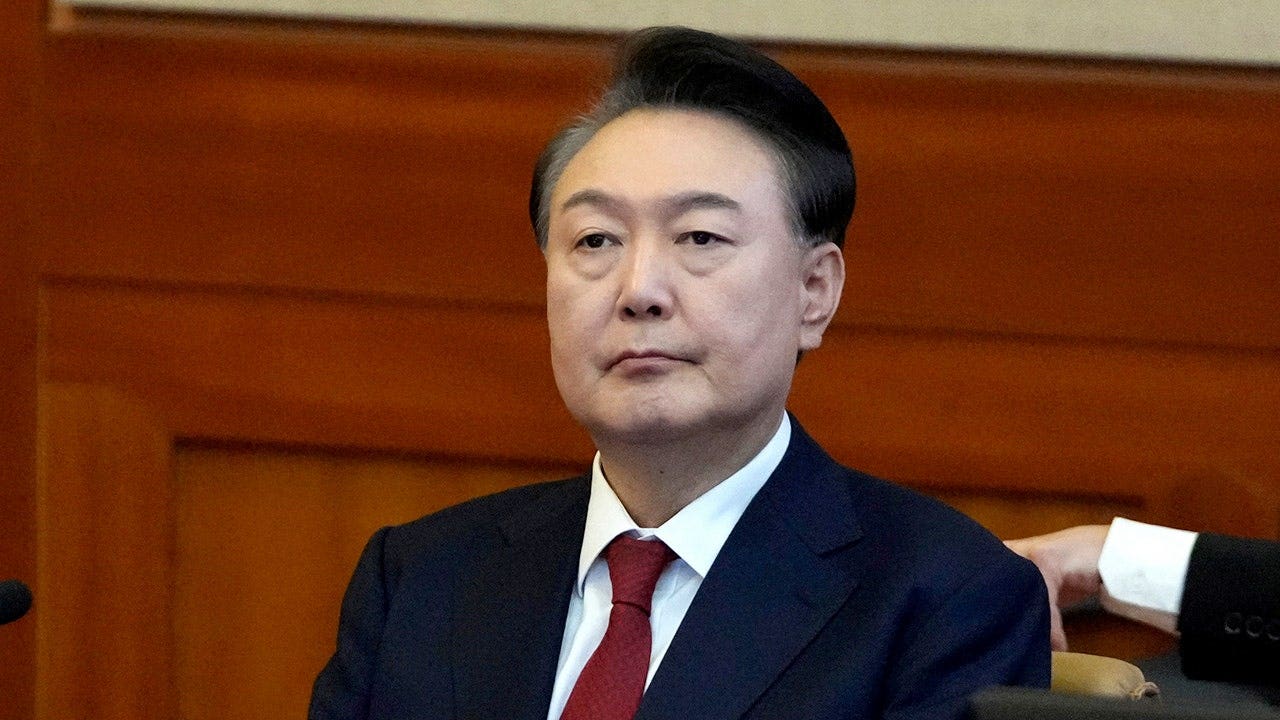
The Seoul Central District Court sentenced former South Korean President Yoon Suk Yeol to 30 years in prison on Friday, ruling that he orchestrated a covert drone operation over Pyongyang in order to provoke North Korea and engineer a pretext for the martial-law declaration that ultimately ended his presidency.
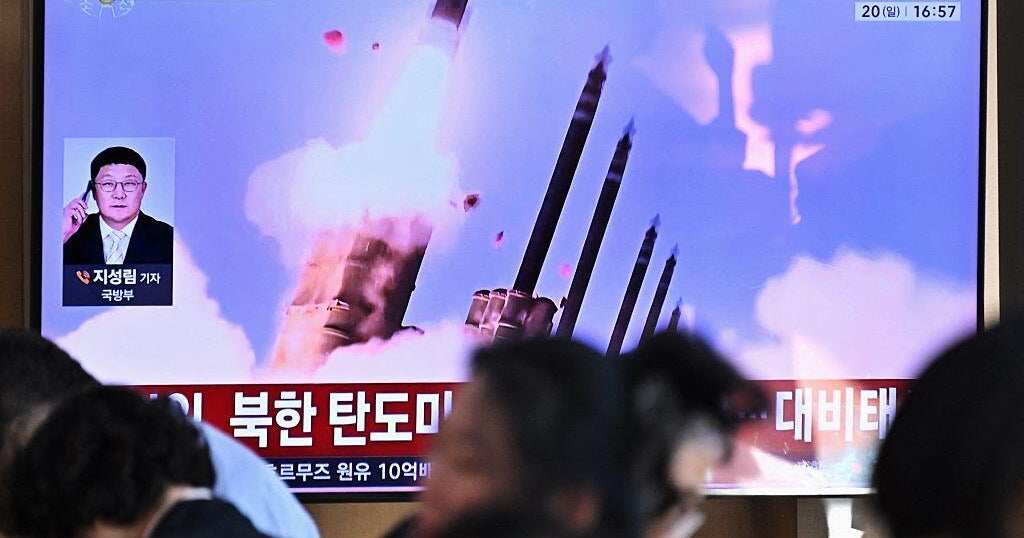
Yoon, 65, was convicted of abuse of power and aiding the enemy. The court found that he had conspired from the outset in the October 2024 incursion, in which South Korean drones carried propaganda leaflets across the border and over the North Korean capital. Prosecutors argued the flights were designed to bait Pyongyang into a military response that Yoon could then cite as justification for suspending civilian rule at home.
Former Defense Minister Kim Yong Hyun, who prosecutors said helped plan and execute the operation, received the same 30-year term. Both men were tried together, and the court said the evidence showed a deliberate effort to manufacture a national-security crisis rather than to gather intelligence, as the defense had maintained.
The drone case is only the latest reckoning for Yoon, who was already serving a life sentence handed down earlier for leading what the courts classified as an insurrection when he declared martial law in December 2024. That decree, which sent troops toward the National Assembly, was overturned within hours by lawmakers and triggered his impeachment and removal from office. A separate earlier ruling had also convicted him on related martial-law charges.
Yoon, who is already in custody, listened impassively as the verdict was read and can appeal Friday's decision to a higher court. His lawyers have argued throughout that the drone missions were legitimate military operations and that prosecutors stitched together a conspiracy after the fact to deepen his legal jeopardy.
The sentence closes another chapter in one of the most turbulent stretches in modern South Korean politics, in which a sitting president attempted to seize emergency powers, was driven from office, and has now been convicted in a cascade of trials. For a democracy long held up as a regional success story, Yoon's downfall has become a stress test of whether its courts can hold its most powerful figure fully to account.