U.S. Drug Overdose Deaths Hit Lowest Level in Years, but New Synthetic 'Soup' Threatens Historic Progress
Overdose fatalities fell from a peak of nearly 113,000 to roughly 71,542 over the last reported 12-month period — a 37% drop researchers call unprecedented — yet toxicologists are finding unknown synthetic compounds in street drugs at an alarming rate.
Drug overdose deaths in the United States fell to approximately 71,542 in 2025, the lowest level recorded in nearly a decade and a dramatic decline from the peak of more than 113,000 deaths reached in 2023, according to preliminary data released Monday by the Centers for Disease Control and Prevention. The decline, which public health experts have attributed to the widespread availability of naloxone, expanded access to medication-assisted treatment, and changes in the illicit drug supply, represents the sharpest two-year drop in overdose mortality in the country's history — though officials warned that the trend may be masking a dangerous new phase of the synthetic drug crisis.
The improvement has been uneven across demographics and geographies. Deaths fell most sharply in urban areas in the Northeast and Midwest, regions that were hit hardest during the peak of the fentanyl epidemic. Rural communities and parts of the South showed slower declines, and overdose rates among middle-aged white men and Native American populations remained disproportionately high. Federal health officials credited aggressive community-level naloxone distribution programs, including the over-the-counter approval of Narcan in 2023, as one of the most significant drivers of the improvement. Emergency room administrations of naloxone reached a record high in 2025 even as overdose deaths fell, suggesting that more reversals are occurring before deaths result.
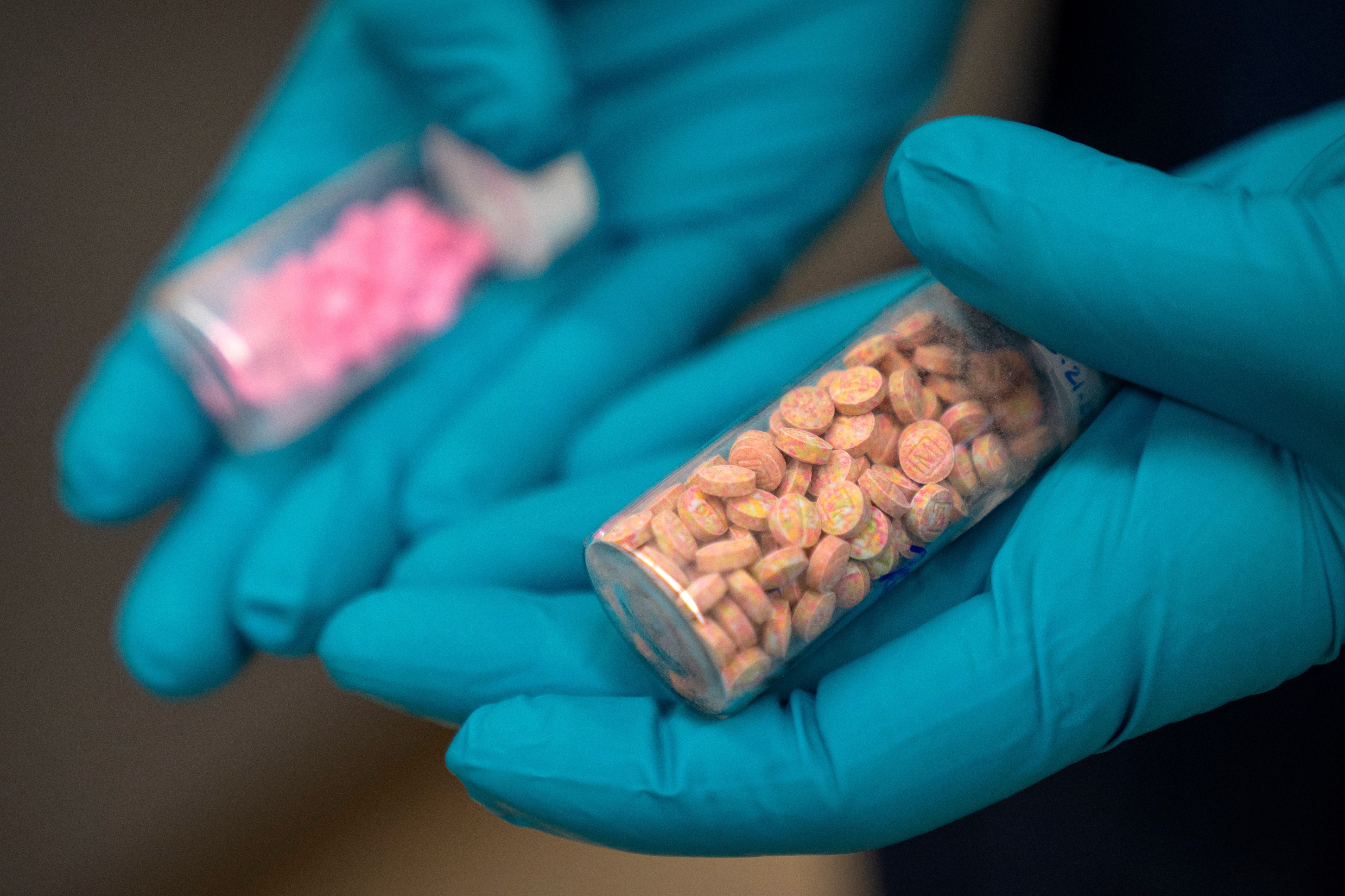
The more alarming finding embedded in the data is the emergence and rapid spread of a new class of synthetic opioids and tranquilizers that have begun displacing fentanyl in parts of the drug supply. Nitazenes — a group of synthetic opioids far more potent than fentanyl and largely undetectable by standard drug tests — were identified as contributing factors in a sharply increasing share of overdose deaths in several states, including Ohio, Pennsylvania, and West Virginia. Xylazine, the veterinary tranquilizer colloquially known as "tranq," also continued spreading geographically and now appears in drug supplies in markets where it was previously rare, including Florida and Texas. Unlike opioid overdoses, xylazine-related deaths often do not respond to naloxone.
"We are winning the battle against fentanyl but losing the early fights against what comes next," said Dr. Rahul Gupta, a former federal drug policy official. "The supply is evolving faster than our surveillance and our tools." The CDC noted that drug testing strips capable of detecting nitazenes are not yet widely available, and that standard toxicology screens used by medical examiners often miss the compounds entirely, meaning that the true share of deaths attributable to the new synthetic drugs may be significantly undercounted.
Public health advocates are pressing Congress to substantially increase funding for real-time drug checking services, expand harm reduction programs, and accelerate regulatory pathways for new naloxone formulations capable of reversing nitazene overdoses. Some advocates also called for expanded access to buprenorphine and methadone, arguing that the persistence of high overdose rates in certain populations reflects ongoing structural barriers to treatment. The Biden administration's successor has so far proposed cuts to several federal substance abuse programs even as the new drug threats have begun to materialize in earnest.