Dramatic Election Shifts Show Republican Support Declining Across Key Swing States
Georgia and Wisconsin results reveal significant leftward movement in traditionally conservative districts, with Democrats making unexpected gains despite GOP victories.
Republican candidates managed to hold onto contested seats in Georgia and Wisconsin this week, but the margins revealed a striking decline in conservative support that has party strategists questioning their electoral prospects heading into the 2026 midterm elections. In Georgia's special election for Marjorie Taylor Greene's former House seat, Republican Clay Fuller won with Trump's endorsement, but Democrats shifted the district an remarkable 25 points to the left compared to the 2024 presidential race. The dramatic swing in what has historically been one of the state's most reliably conservative districts sent shockwaves through Republican leadership.
The Georgia result was particularly telling because Fuller's victory came in Northwest Georgia, a region that has long been considered a Republican stronghold. Despite winning the seat, Fuller's margin was far narrower than expected, and Democratic candidate Bryce Harris performed significantly better than party leaders had anticipated when they first entered the race. The 25-point leftward shift represents one of the most dramatic electoral swings recorded in a special election since Trump took office for his second term, suggesting that suburban and rural voters may be reconsidering their allegiances.
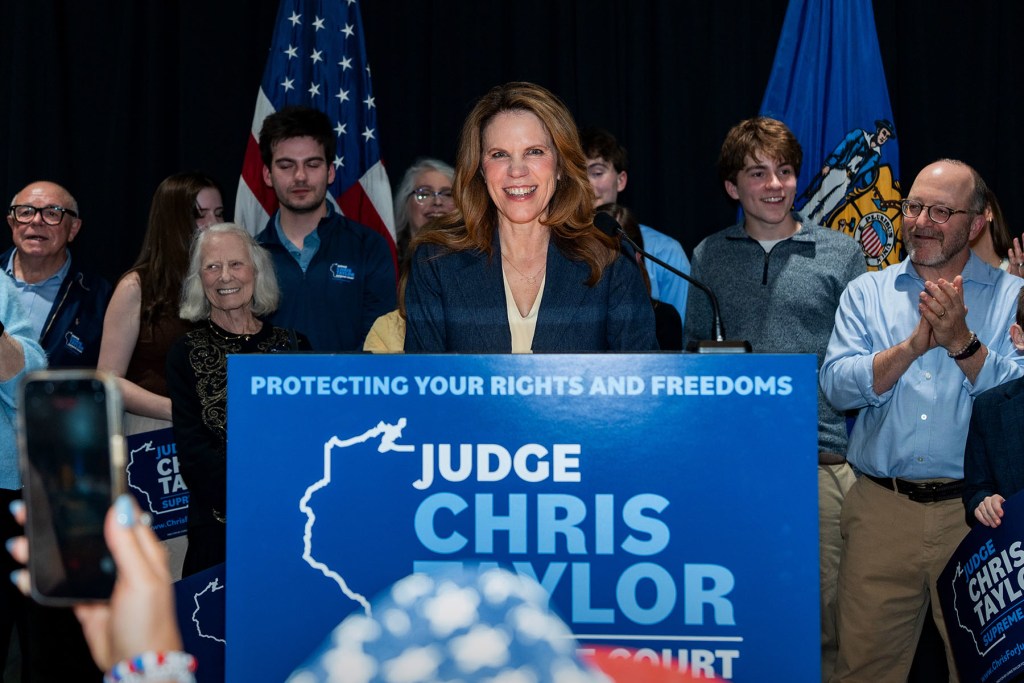
In Wisconsin, conservative candidates also faced unexpected challenges, losing races they had been favored to win. The pattern of declining Republican support was consistent across multiple contests in the state, indicating that the trend extends beyond isolated local factors to broader dissatisfaction with current political leadership. Wisconsin has emerged as a crucial battleground state, and these results suggest that Trump's influence may not be sufficient to maintain traditional Republican strongholds in the upper Midwest.
Political analysts point to several factors that may be driving the electoral shifts, including voter fatigue with Trump's confrontational style, concern about the economic impact of the recent Iran conflict, and growing unease about the administration's domestic policies. The results also coincided with the University of Wisconsin System's board firing president Jay O. Rothman, ending his four-year tenure amid what observers described as a public power struggle that may have reflected broader political tensions within the state.
The electoral patterns emerging from these contests have significant implications for the 2026 midterm elections and beyond. Republican strategists are now reassessing their approach in districts they had previously considered safe, while Democratic operatives are studying the Georgia and Wisconsin results for insights into potential pickup opportunities. The 25-point swing in Greene's former district, in particular, has become a case study for how quickly political dynamics can shift even in seemingly secure Republican territory.