Christian Cryptocurrency Movement Emerges as Pastors Pitch Bitcoin as 'Biblically Sound'
With the rise of digital currency, a Christian subculture around cryptocurrency has developed, with religious leaders promoting bitcoin through biblical teachings.
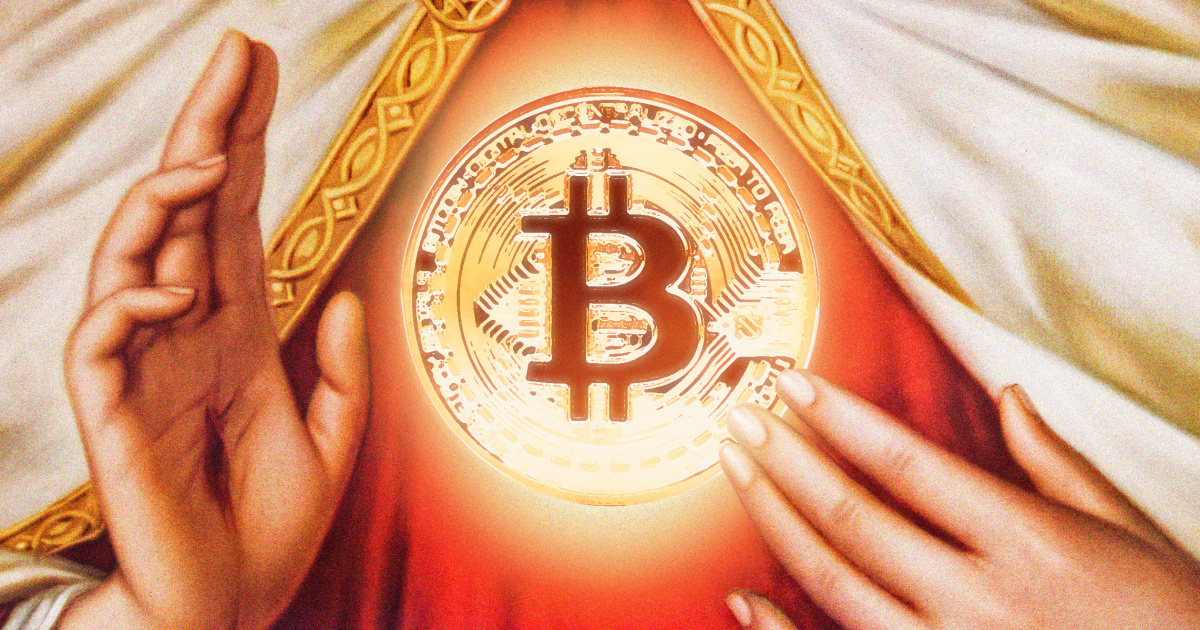
A loosely organized but rapidly growing movement is working to convince American evangelical Christians that Bitcoin and other cryptocurrencies are not only acceptable investments but morally superior financial instruments grounded in biblical principles — an effort that is drawing in prominent megachurch pastors, Christian media personalities, and right-wing political figures who argue that decentralized digital currency represents a form of financial freedom aligned with Christian values of individual liberty and skepticism of centralized government authority. The movement has spawned dedicated podcasts, conferences, social media accounts, and investment guides explicitly framed in theological terms, and is generating both enthusiasm and alarm within evangelical communities.
Advocates of what some call 'Christian Bitcoin' or 'faith-based crypto' argue that the fixed supply of Bitcoin — capped at 21 million coins by its underlying protocol — mirrors biblical principles of honest weights and measures, as invoked in the book of Proverbs, and that fiat currency creation by central banks constitutes a form of theft through inflation that violates those same principles. Several prominent evangelical figures have made these arguments to large audiences: Pastor Rob McCoy of Godspeak Calvary Chapel in California has preached on Bitcoin from the pulpit; Christian financial commentator Matthew Paulson has written a widely circulated e-book titled 'Sound Money: A Christian Case for Bitcoin'; and multiple speakers at the popular annual Conservative Political Action Conference have framed cryptocurrency adoption as a Christian political issue.
'The Bible speaks very clearly about honest money,' said Pastor Jack Hibbs of Calvary Chapel Chino Hills in a video posted to his 700,000-subscriber YouTube channel that has been viewed more than two million times. 'When you inflate the currency, you are lying to the people. Bitcoin cannot be inflated. That is a form of truth-telling that I think Christians should take seriously.' Critics within the evangelical community have pushed back sharply, arguing that conflating a speculative digital asset with biblical principles of financial ethics is theologically sloppy and potentially harmful to believers who may invest money they cannot afford to lose based on a perceived spiritual endorsement.
The movement has also attracted scrutiny for its overlap with promoters who have financial incentives to drive cryptocurrency adoption. Several of the most prominent voices linking Bitcoin to Christian values have disclosed, sometimes in fine print, that they hold significant Bitcoin positions or earn commissions through affiliate links when followers purchase cryptocurrency through recommended platforms. Watchdog group Truth in Investing flagged three prominent Christian Bitcoin influencers this year for failing to adequately disclose financial relationships with crypto exchanges they endorsed. The Federal Trade Commission has separately opened an investigation into undisclosed paid promotions across the broader cryptocurrency influencer market.
Denominational leadership bodies have responded with caution. The Southern Baptist Convention's Ethics and Religious Liberty Commission issued a brief statement last year declining to endorse or condemn cryptocurrency as a theological matter, saying individual financial decisions were outside the commission's purview while cautioning against 'conflating political or financial ideologies with the Gospel.' The Presbyterian Church in America and several other Reformed denominations have said nothing publicly on the topic. Meanwhile, the movement continues to grow, particularly among younger evangelical adults who already hold crypto assets and who are receptive to frameworks that reconcile their investment choices with their faith identity. 'I don't need my pastor to tell me to buy Bitcoin,' said one 28-year-old attendee of a Christian crypto conference in Nashville last month. 'But it is nice to feel like it's not something I have to be ashamed of.'