Bank of America Agrees to Pay $72.5 Million to Epstein Survivors, Joining JPMorgan and Deutsche Bank in Major Trafficking Settlements
The nation's second-largest bank will settle a lawsuit alleging it provided banking services to Jeffrey Epstein's sex-trafficking operation while ignoring glaring regulatory red flags, pending court approval.
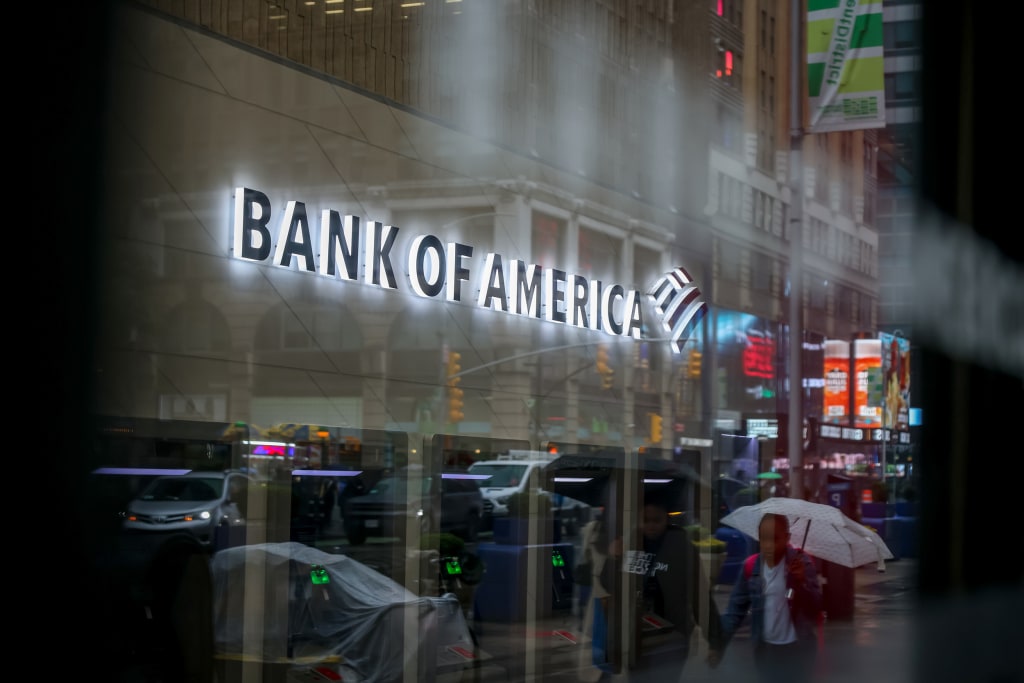
Bank of America has agreed to pay $72.5 million to settle a federal lawsuit alleging the nation's second-largest bank knowingly assisted Jeffrey Epstein's sex-trafficking operation, providing banking services that enabled his crimes while repeatedly ignoring regulatory red flags. The settlement, filed Friday in New York federal court, covers women who were sexually abused or trafficked by Epstein between June 30, 2008, and July 6, 2019. Attorneys for the plaintiffs identified at least 60 victimized women during that period. The bank made no admission of liability or wrongdoing as part of the agreement, which remains subject to approval by U.S. District Judge Jed S. Rakoff, who has scheduled a hearing for April.
The lawsuit, originally filed in October 2025, alleged that Bank of America "knowingly and intentionally participated in, assisted, supported, and facilitated Jeffrey Epstein's sex trafficking venture by providing Jeffrey Epstein and his associates with banking and investment services while Bank of America ignored red flags and failed, or was otherwise negligent, in its compliance and regulatory responsibilities." Among the specific allegations: that the bank failed to file suspicious activity reports (SARs) until after Epstein's death in August 2019, despite clear warning signs of illegal activity in accounts held by Epstein and his associates, including Ghislaine Maxwell, who was later convicted on federal sex trafficking charges.
A central element of the case involved $170 million that Apollo Global Management co-founder Leon Black transferred from a Bank of America account to Epstein between 2012 and 2017, purportedly for "tax and estate planning advice." Plaintiffs alleged that the bank's failure to flag those transactions enabled an ongoing trafficking enterprise. The lead plaintiff, identified as Jane Doe, alleged that she met Epstein in Russia in 2011 and was subsequently coerced into a "cult-like life" in which she was sexually abused at least 100 times over eight years, paid through fraudulent job arrangements via Bank of America accounts, and held in psychological captivity through control of her immigration status.
The Bank of America settlement joins similar resolutions in related cases. JPMorgan Chase settled a comparable lawsuit in 2023 for $290 million, and Deutsche Bank settled for $75 million. Together, the three settlements total more than $437 million paid to Epstein's victims by major financial institutions accused of facilitating his crimes. Bank of America stated that it "stands by" its previous position that it did not facilitate sex trafficking crimes, characterizing the settlement as a business decision to avoid prolonged litigation rather than an acknowledgment of wrongdoing.
Epstein died in August 2019 in a Manhattan federal detention facility while awaiting trial on federal sex trafficking charges. A medical examiner ruled his death a suicide by hanging; conspiracy theories about the circumstances of his death persist, though no credible evidence of foul play has been established. His case remains one of the most significant financial institution accountability actions in the post-#MeToo era, and advocates for survivors have called the wave of bank settlements — while imperfect — a meaningful form of accountability for enabling systemic abuse. The April hearing before Judge Rakoff will determine whether the settlement is fair, reasonable, and adequate for the class of survivors it covers.