NASA's Artemis II Targets April 1 Launch — First Crewed Moon Mission Since 1972
Four astronauts will fly 450,000 miles around the Moon and back starting Wednesday, ending a 54-year hiatus on crewed lunar missions. An 80 percent favorable weather forecast greeted the crew as they entered quarantine at Kennedy Space Center.
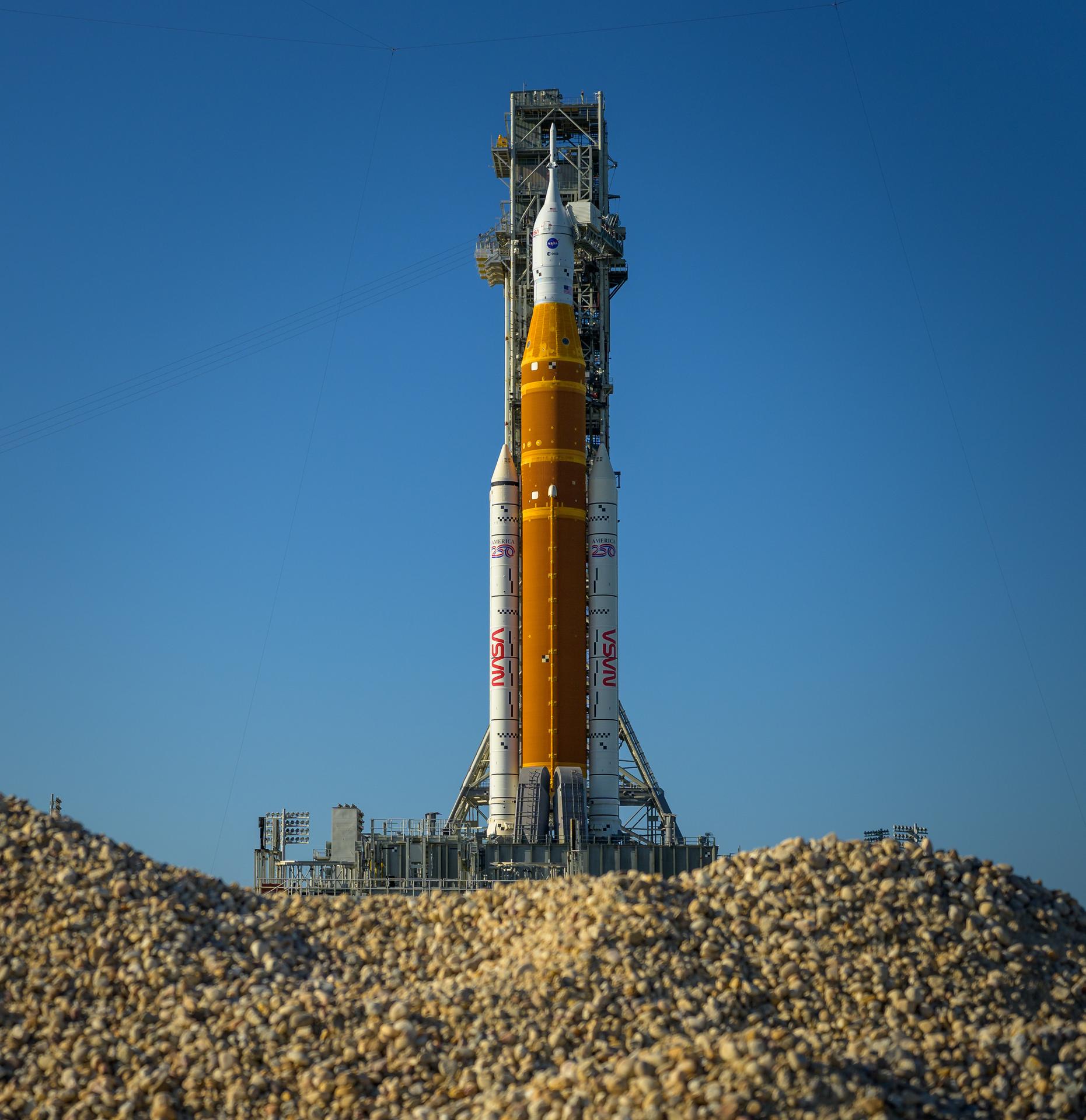
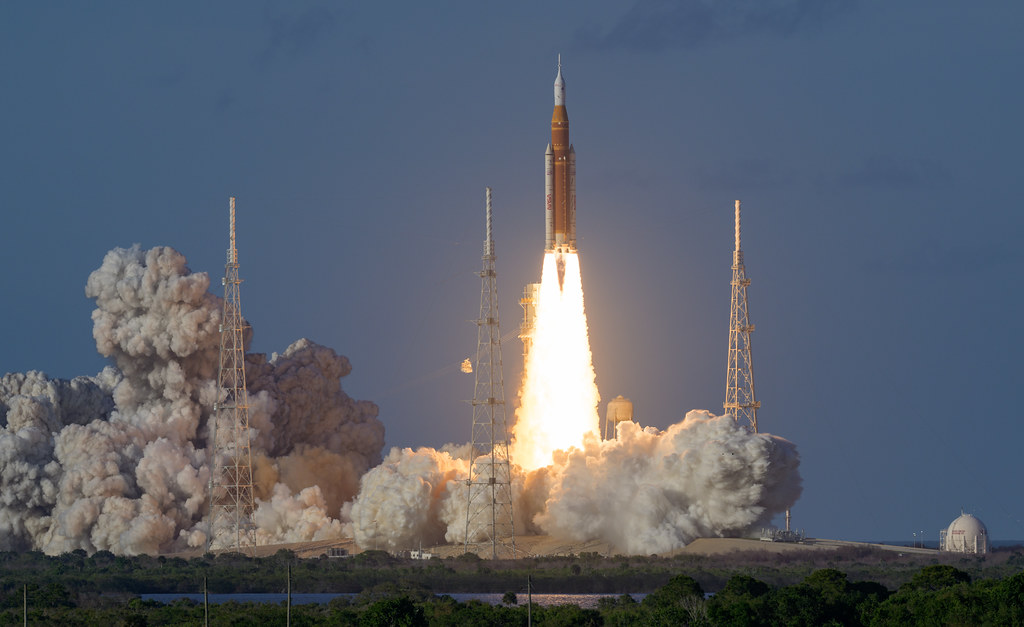
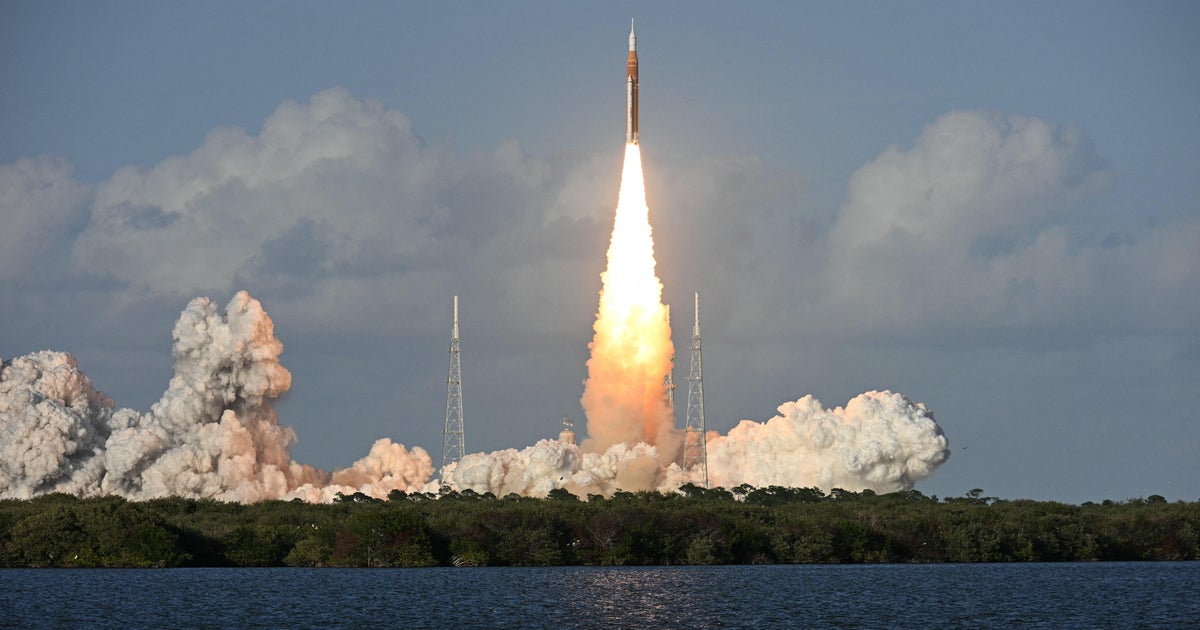
For the first time in more than half a century, a crew of astronauts is set to travel beyond low Earth orbit. NASA's Artemis II mission, carrying four astronauts aboard the Orion spacecraft atop the Space Launch System rocket, is targeting liftoff from Launch Complex 39B at Kennedy Space Center in Florida no earlier than Wednesday, April 1, 2026, at 6:24 p.m. EDT. The launch window is two hours. Weather forecasters at the 45th Space Wing gave an 80 percent probability of favorable conditions, with cloud coverage and high winds cited as the primary concerns.
The Artemis II crew arrived at Kennedy Space Center last week and entered quarantine on Saturday, holding a virtual question-and-answer session with the public on Sunday. Commander Reid Wiseman will lead the nine-day mission. Pilot Victor Glover will become the first person of color to travel beyond low Earth orbit. Mission Specialist Christina Koch will be the first woman to do so. Mission Specialist Jeremy Hansen of the Canadian Space Agency will be the first non-US citizen to travel beyond low Earth orbit — a milestone that underscores the international character of the Artemis program.
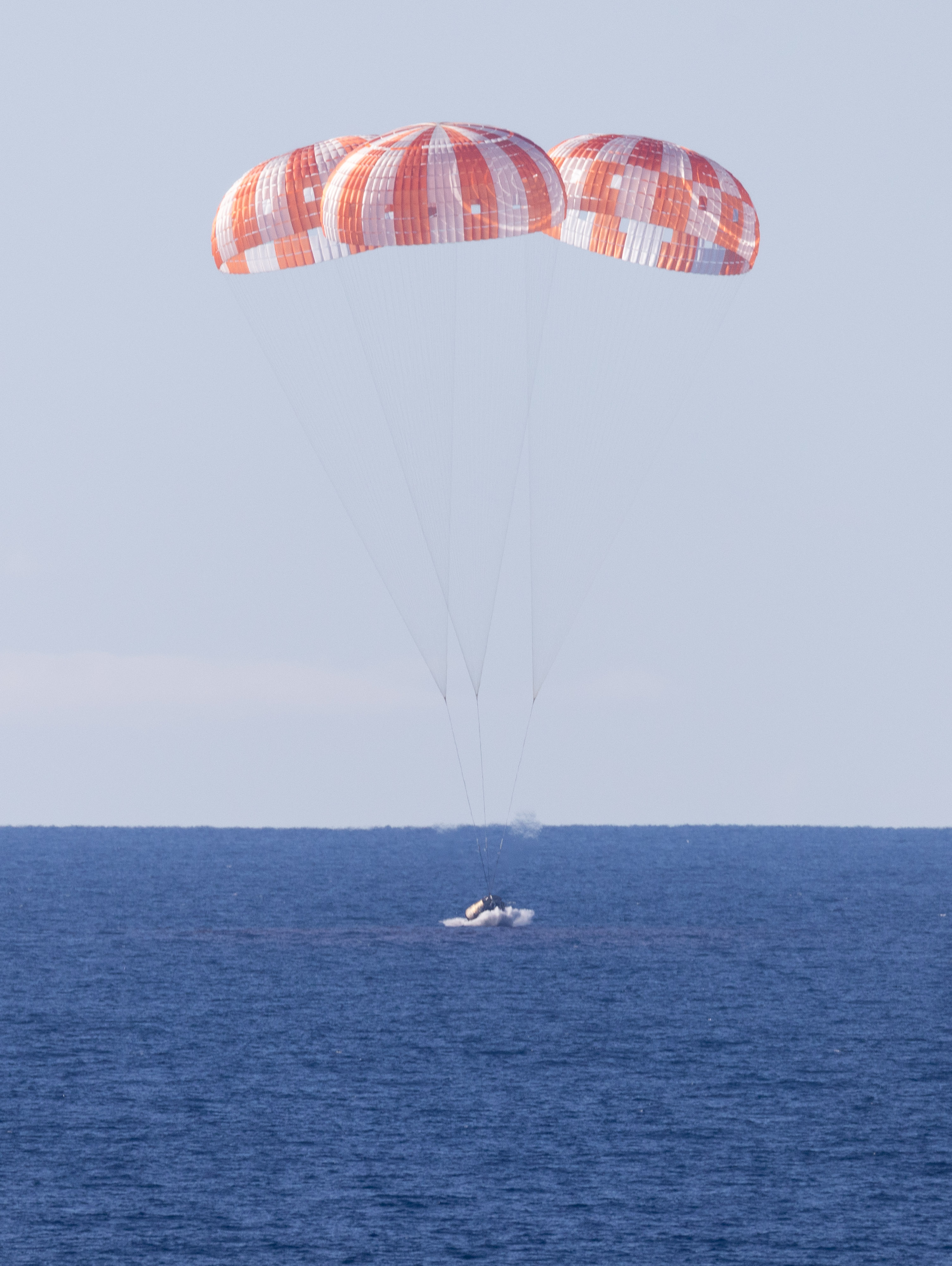
The mission profile is a circumlunar flyby: Orion will travel approximately 450,000 miles from Earth, swing around the far side of the Moon, and return. No lunar landing is planned for Artemis II; that milestone is reserved for Artemis III, currently targeting 2027. But the significance of Artemis II lies in its humans. The last time astronauts traveled this far from Earth was December 1972, when Apollo 17 commander Eugene Cernan and geologist Harrison Schmitt became the last humans to walk on the Moon. Every human spaceflight since has remained within low Earth orbit — a 54-year gap that will end Wednesday evening if the launch proceeds as planned.
Final preparations are well advanced. The SLS rocket and Orion spacecraft were rolled out to Launch Complex 39B in mid-March, and the launch team completed its terminal countdown demonstration test last week without issues. Engineers closed the crew access arm on Saturday following the last opportunity for the astronauts to board Orion for fit checks. Flight controllers at NASA's Johnson Space Center in Houston have been running simulations around the clock, including abort scenarios and emergency de-orbit procedures.
Contingency planning is extensive. Lieutenant Colonel Kevin Pieper oversees Air Force Detachment 3, the unit responsible for crew rescue since the Mercury program in 1959. His teams have pre-positioned C-17 aircraft loaded with 15,000 pounds of rescue equipment — jet skis, inflatable boats, medical supplies, food, water, and survival gear — capable of sustaining the crew for 72 to 96 hours on a life raft if Orion comes down in an unplanned location. "We are here to make sure that they get home safely, if, God forbid, something like this were to happen," Pieper said in an interview Sunday.
For NASA, the launch represents the culmination of a program that has faced years of delays, budget battles, and technical setbacks. The Artemis I uncrewed test flight in November 2022 validated the SLS and Orion systems. Artemis II was originally targeted for 2024 before being pushed back twice — first by a technical issue with Orion's heat shield, then by broader program delays. The agency has repeatedly defended the program's cost, which has exceeded $93 billion since inception, by emphasizing its role as a stepping stone toward eventual crewed missions to Mars.
Public interest in the launch has surged in recent weeks, with NASA reporting record traffic to its website and sold-out viewing areas along Florida's Space Coast. The contrast with the current geopolitical moment — an active US military campaign in the Middle East, record oil prices, and domestic political turmoil — has led some commentators to describe Artemis II as a rare moment of national unity. "We are going back to the Moon," Wiseman said in his final pre-launch address. "Not just for America, but for all of humanity."