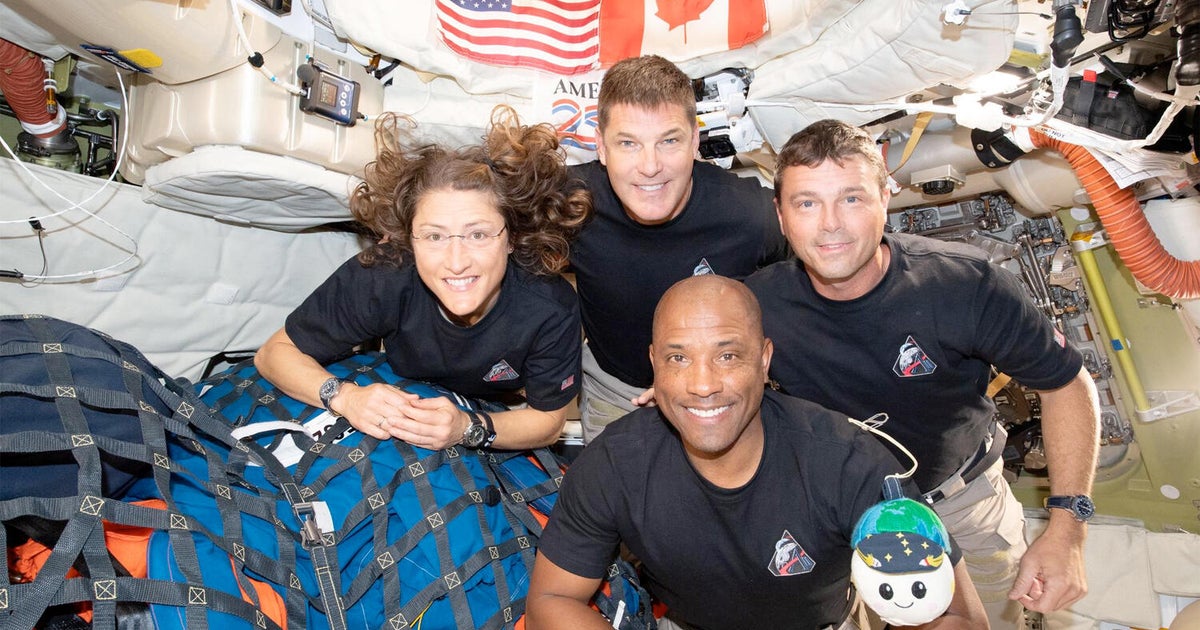
Artemis II Crew Heads Home After Shattering 52-Year Human Spaceflight Distance Record
NASA astronauts Reid Wiseman, Victor Glover, Christina Koch, and CSA's Jeremy Hansen reached 252,756 miles from Earth — farther than any humans in history — before beginning their return journey with a Pacific splashdown scheduled for Friday.
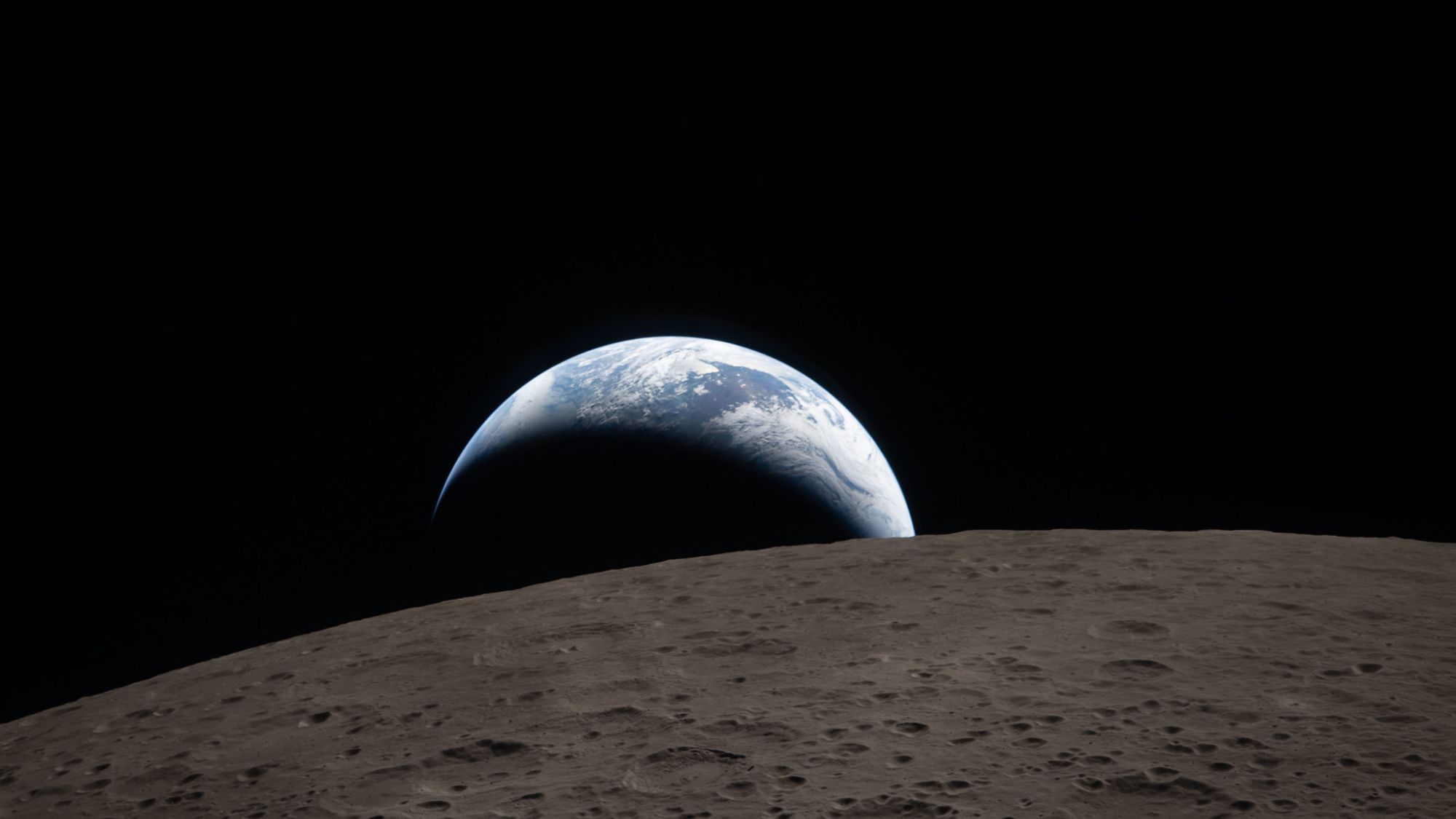
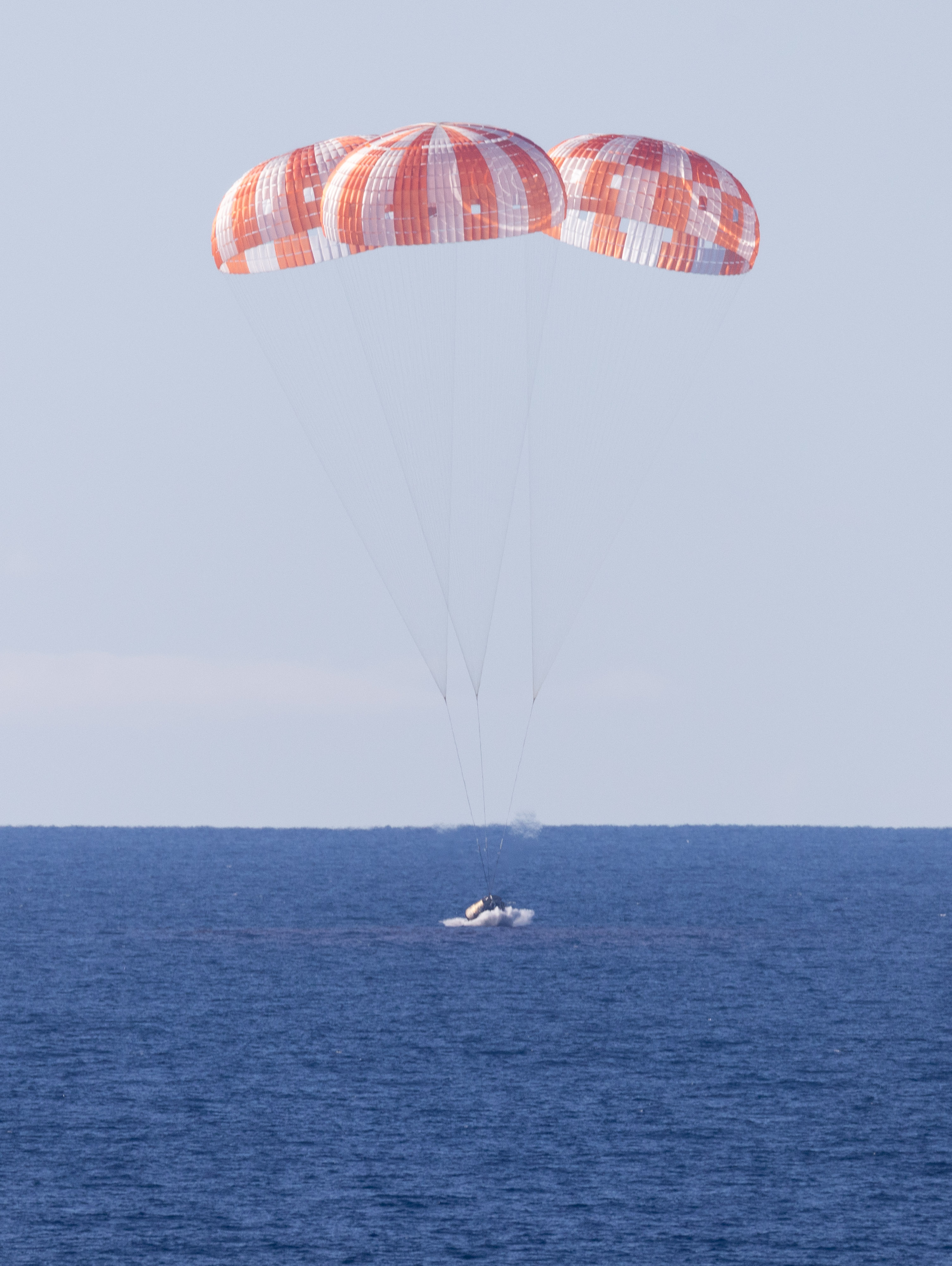
The four-person Artemis II crew is heading back to Earth after completing one of the most extraordinary voyages in human spaceflight history, flying farther from Earth than any human being has ever traveled and witnessing a solar eclipse from the far side of the moon. The Orion spacecraft exited the lunar sphere of influence at 1:25 p.m. EDT Tuesday, beginning a return journey that will end with a Pacific Ocean splashdown off San Diego on Friday, April 10, at approximately 8:07 p.m. EDT.
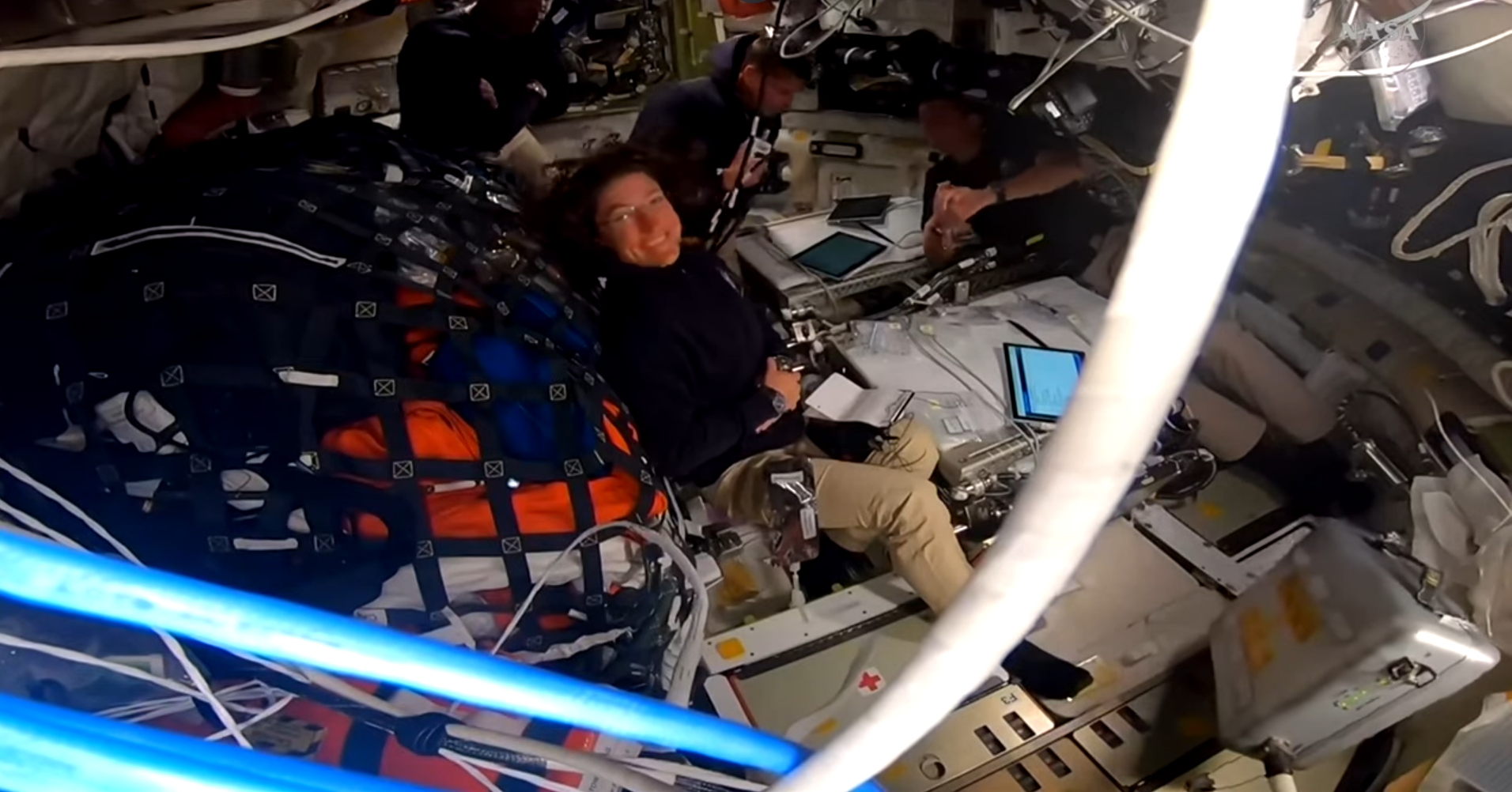
NASA astronauts Reid Wiseman, Victor Glover, and Christina Koch, along with Canadian Space Agency astronaut Jeremy Hansen, broke a record that had stood for 56 years when they surpassed Apollo 13's distance of 248,655 miles from Earth on Monday afternoon. The Orion spacecraft reached its maximum distance of 252,756 miles — more than 4,100 miles farther than any human crew in history — at 7:07 p.m. EDT on April 6. Mission specialist Jeremy Hansen marked the moment by honoring the crews that came before: "We do so in honoring the extraordinary efforts and feats of our predecessors."
The mission's highlight came during a 40-minute planned communications blackout as Orion passed behind the moon. When the crew emerged from the far side, they had made their closest approach to the lunar surface — 4,067 miles above the terrain — and had witnessed something no human had ever seen: the sun disappearing behind a mostly darkened moon during a solar eclipse that lasted nearly an hour. Mission specialist Victor Glover described the view through the spacecraft window as something that "just looks unreal," noting the crew could observe the solar corona glowing around the lunar edge and even spot stars beyond the lunar silhouette. The astronauts also documented six light flashes created by meteoroids striking the lunar surface.
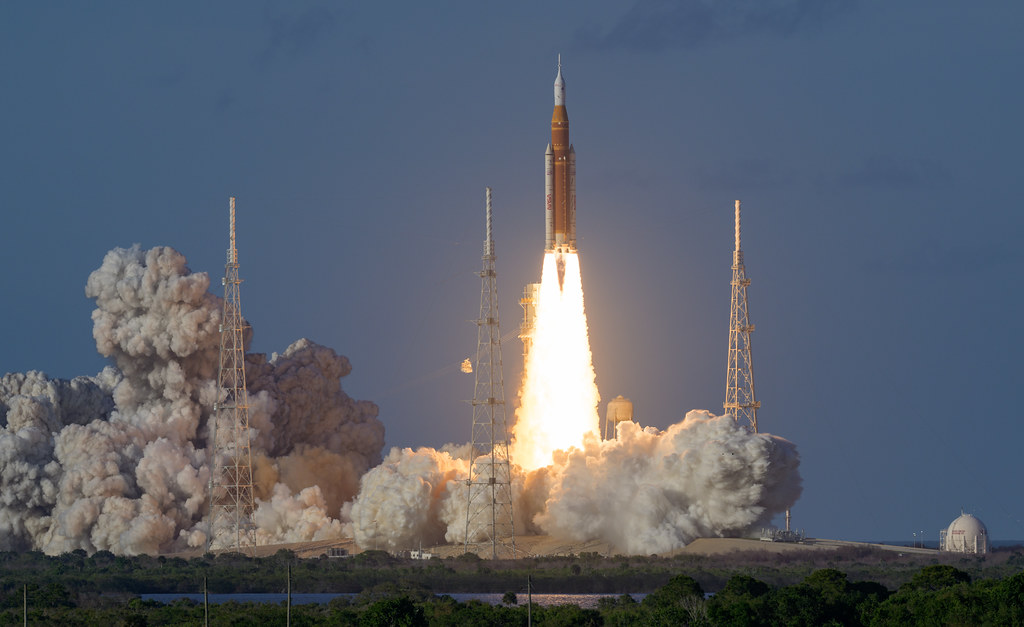
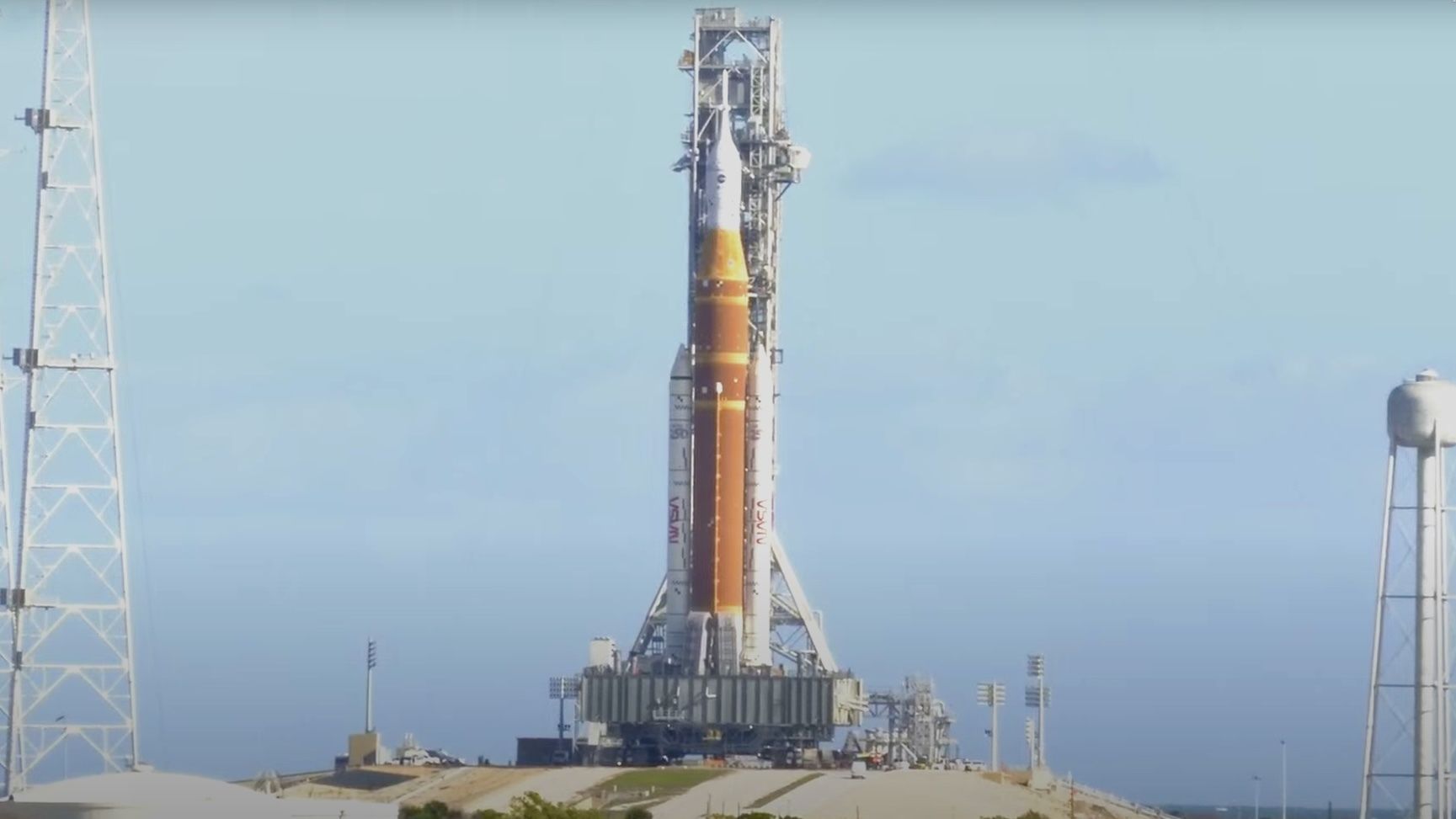
President Trump congratulated the crew in a live conversation following the flyby, calling them "modern-day pioneers." The call was notable given the ongoing Iran war crisis dominating Tuesday's news cycle. The crew had launched from Kennedy Space Center on April 1, 2026, the first time humans had left Earth's immediate vicinity since the Apollo 17 mission in December 1972. Netflix streamed the lunar flyby live to viewers around the world, alongside NASA's own YouTube channel, drawing enormous global interest in the mission.
The Artemis II mission is a precursor to Artemis III, which is planned to return humans to the lunar surface. The crew did not land on the moon but used the free-return trajectory to test Orion's deep space life support systems, communication equipment, and navigation capabilities under real mission conditions. The astronauts also conducted geological observations during their approach, photographing and describing impact craters, ancient lava flows, and surface cracks and ridges on the lunar far side — the first detailed observations of that terrain by human eyes in over half a century.
Mission commander Reid Wiseman named two previously unnamed craters observed during the flyby: "Integrity," after the Orion spacecraft, and "Carroll," honoring his late wife. Recovery teams aboard the USS John P. Murtha are already en route to the designated splashdown zone in the Pacific Ocean near San Diego. Following splashdown, helicopters will deliver the crew to the ship before they begin several days of post-mission medical evaluations. NASA described the mission as an unqualified success, setting the stage for the agency's long-planned return to the lunar surface.