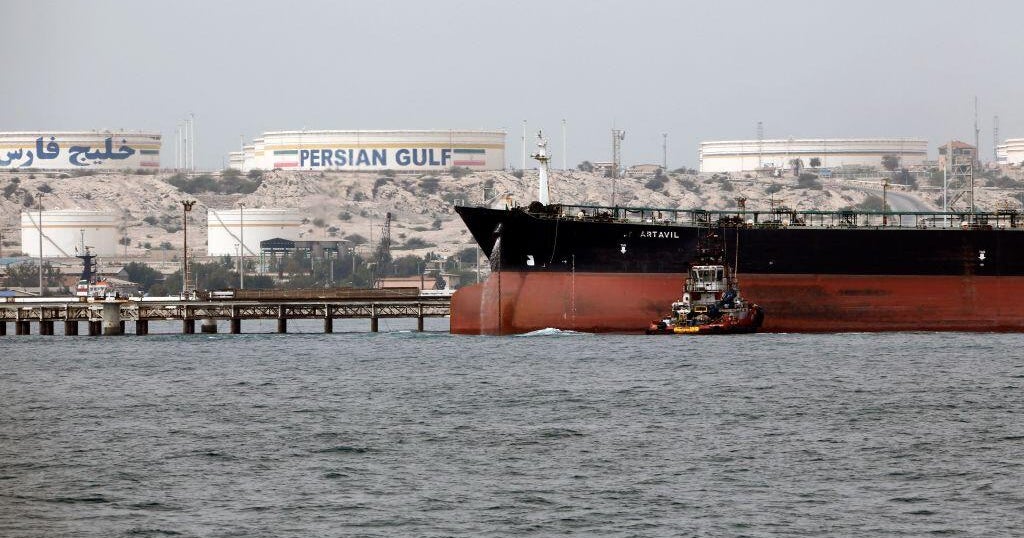
A-10 Warthogs and Apache Helicopters Hunt Iranian Boats as Pentagon Launches All-Out Push to Reopen Strait of Hormuz
Gen. Dan Caine confirmed Thursday that the Cold War-era ground-attack aircraft is now hunting Iranian fast-attack watercraft in the Strait of Hormuz, as U.S. forces have destroyed more than 100 Iranian vessels and Trump weighs seizing Kharg Island.
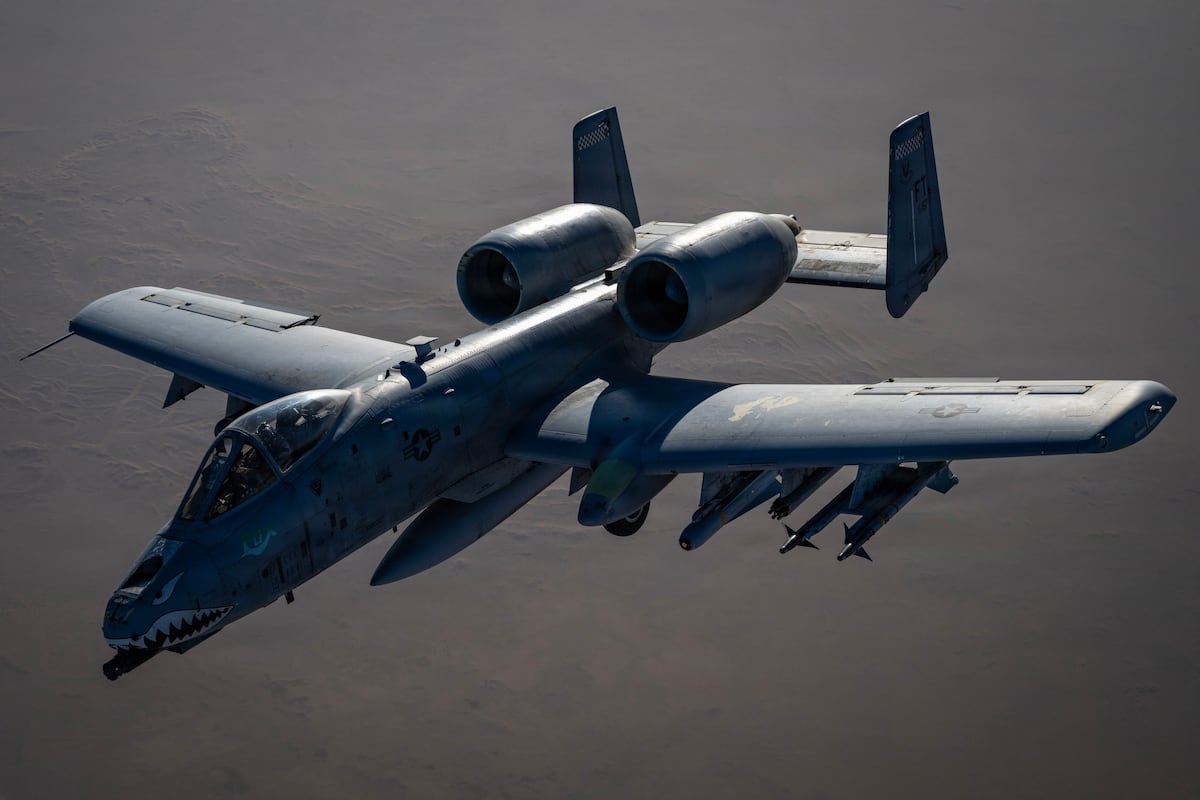
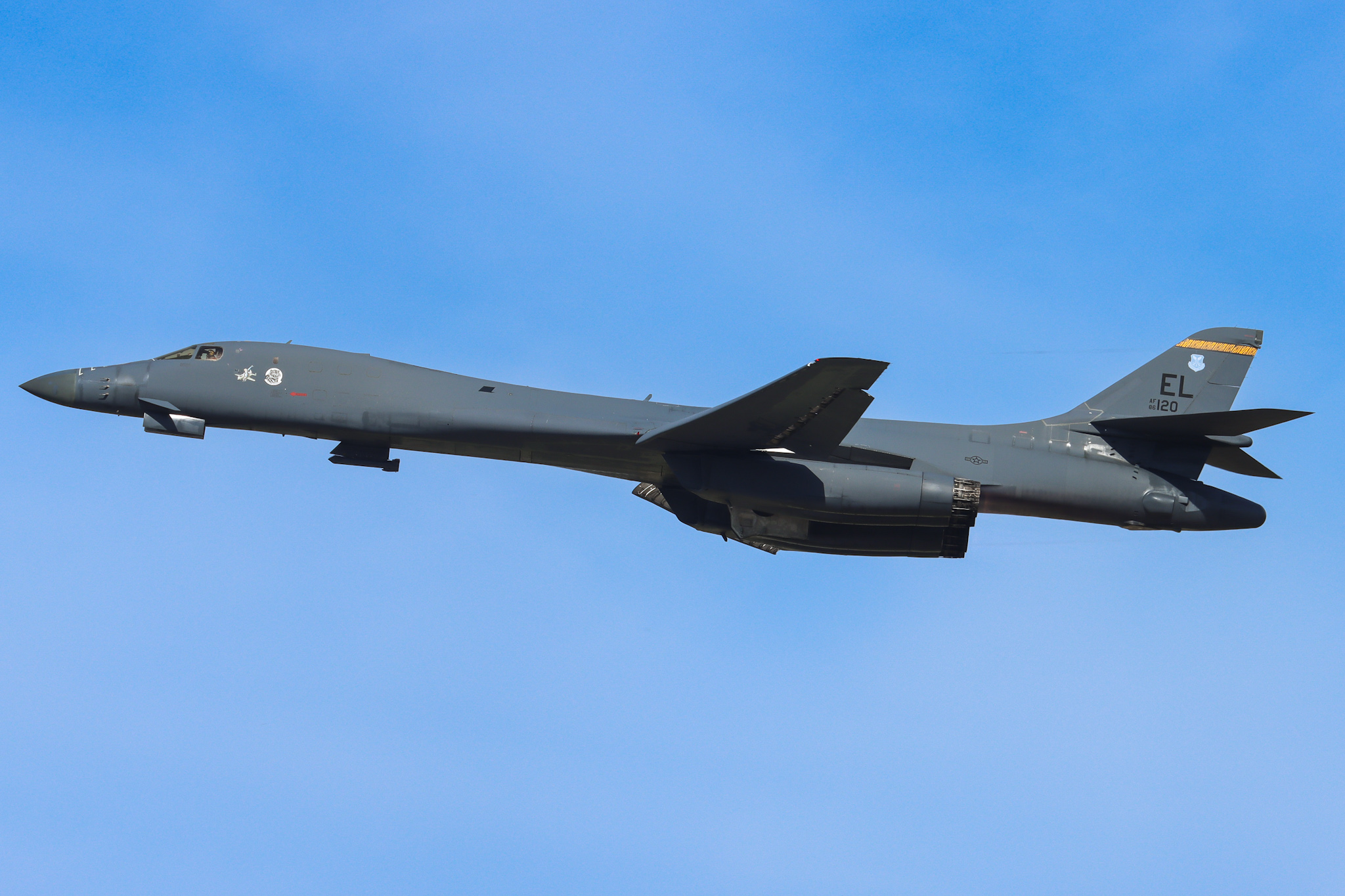
For the first time since the Korean War, the iconic A-10 Thunderbolt II attack jet is hunting ships. In a Pentagon briefing on Thursday, Gen. Dan Caine, Chairman of the Joint Chiefs of Staff, confirmed that the Air Force's much-beloved and repeatedly-threatened-with-retirement ground-attack aircraft has been pressed into maritime combat over the Strait of Hormuz — the narrow chokepoint through which roughly 20 percent of the world's seaborne oil supply flows.
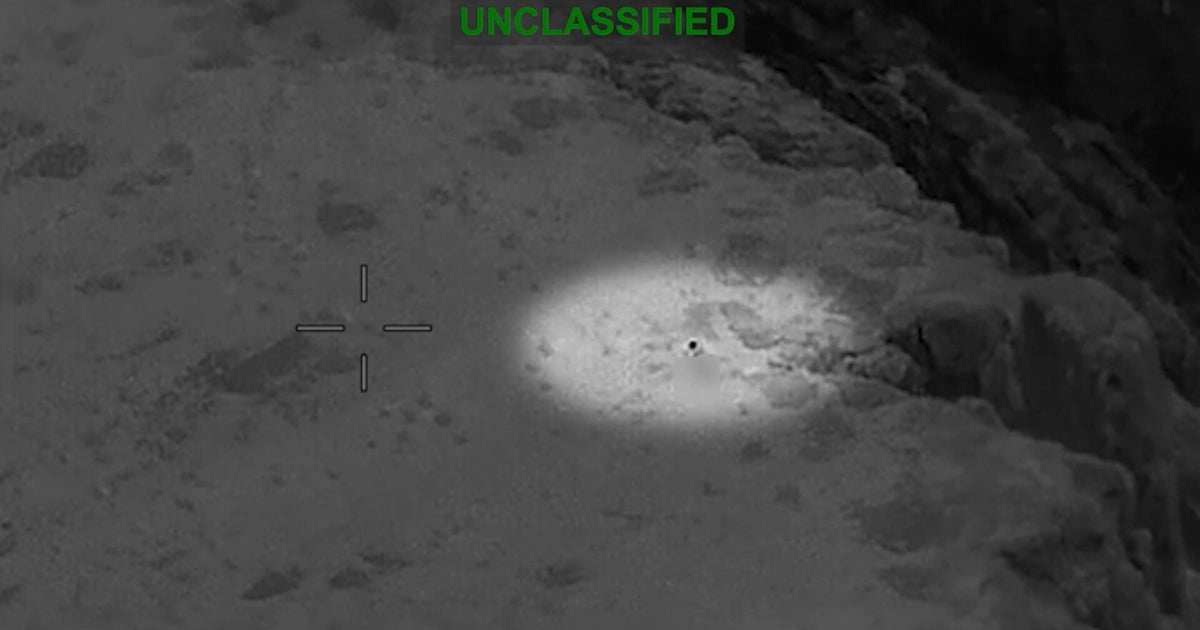
"The A-10 Warthog is now in the fight across the southern flank and is hunting and killing fast attack watercraft in the Strait of Hormuz," Caine told reporters. The A-10's long loiter time, titanium-armored cockpit, and 30mm GAU-8/A Avenger cannon — which can fire 3,900 rounds per minute and was originally designed to stop Soviet tank columns in Central Europe — turns out to be an effective tool against the fast, low-profile speedboats the Islamic Revolutionary Guard Corps Navy has deployed to harass commercial shipping. Boeing AH-64 Apache attack helicopters are flying alongside, specifically tasked with intercepting Iranian one-way attack drones before they reach tankers and cargo vessels attempting to transit the strait.
CENTCOM commander Adm. Brad Cooper said U.S. forces had destroyed more than 100 Iranian naval vessels and 44 mine-laying craft since the push to clear the waterway began. U.S. aircraft have also employed multiple 5,000-pound deep-penetration munitions against hardened Iranian missile sites along the coast near the strait, according to Central Command. Yet despite those losses, Iran's new supreme leader — Ali Khamenei was killed in the initial U.S.-Israeli strikes of February 28 — vowed this week that the waterway would remain closed until American and Israeli attacks on Iranian soil ceased entirely. More than 20 commercial vessels have reported incidents in and around the Persian Gulf, Strait of Hormuz, and Gulf of Oman since the war began, according to the UK Maritime Trade Operations office.
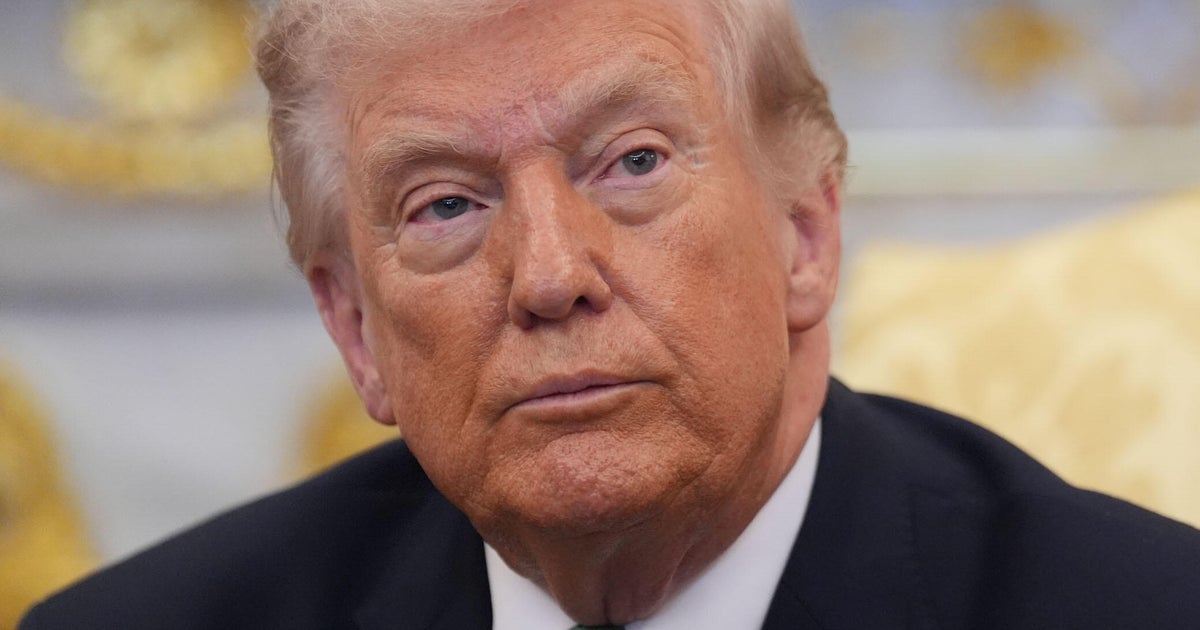
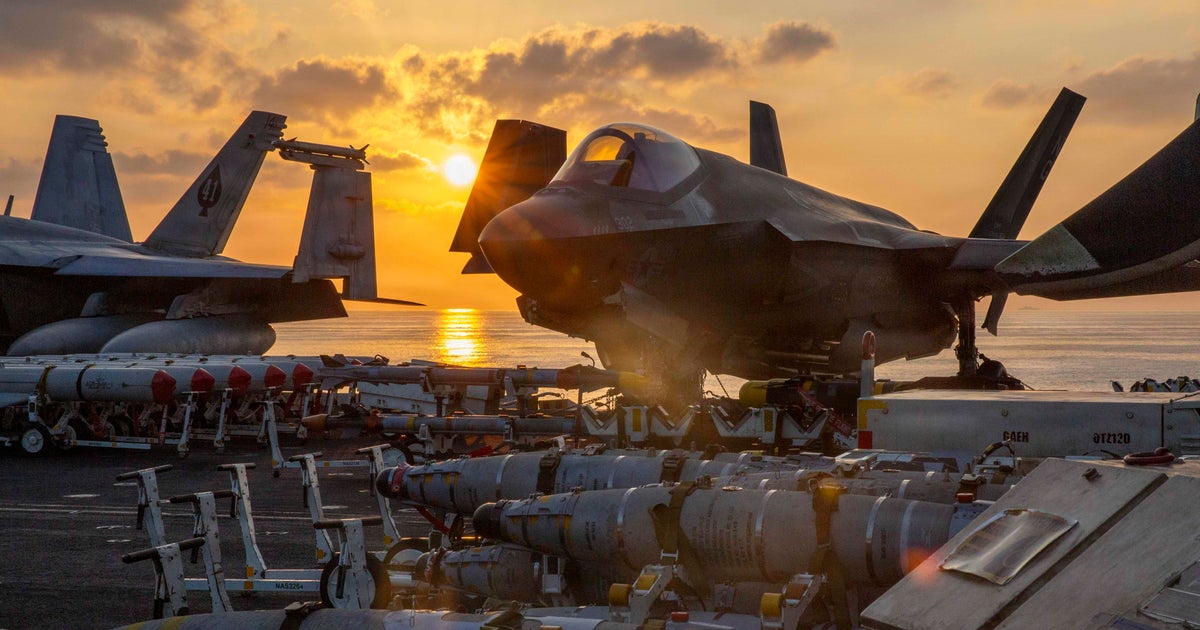
President Trump, who this week publicly called European NATO allies "cowards" for declining to send warships to help secure the route, is now weighing a dramatic escalation: seizing or blockading Kharg Island, the terminal through which 90 percent of Iran's crude oil passes. Such a move would cut off nearly all remaining Iranian oil revenue and could force a reckoning in Tehran, but it would also represent a significant escalation and raise the risk of Iranian retaliation against Gulf partners. The Trump administration is simultaneously doubling down on troop deployments, sending approximately 2,500 additional Marines and three warships from San Diego to reinforce U.S. positions in the region.
The economic toll of the standoff grows more severe by the day. Brent crude, which traded near $70 a barrel when the war began on February 28, has climbed above $107, pushing U.S. average gasoline prices to $3.76 a gallon — the highest since October 2023. The Defense Intelligence Agency has warned privately that Iran could keep the strait effectively blocked for one to six months. The Pentagon says it is following a multi-phase plan to reopen the waterway, but senior officials have privately acknowledged that no clear solution exists that does not ultimately depend on decisions still to be made in the Oval Office. For now, the A-10 pilots and Apache crews flying low over the Persian Gulf are the most visible edge of that strategy.