Uyghur Fighters Who Toppled Assad Now Hold Posts in Syria's New Army, Setting Up Diplomatic Showdown With Beijing
NPR's rare interviews with senior Uyghur commanders detail a two-mile tunnel raid near Aleppo and reveal Syria's plan to grant some fighters citizenship despite Chinese sanctions pressure.
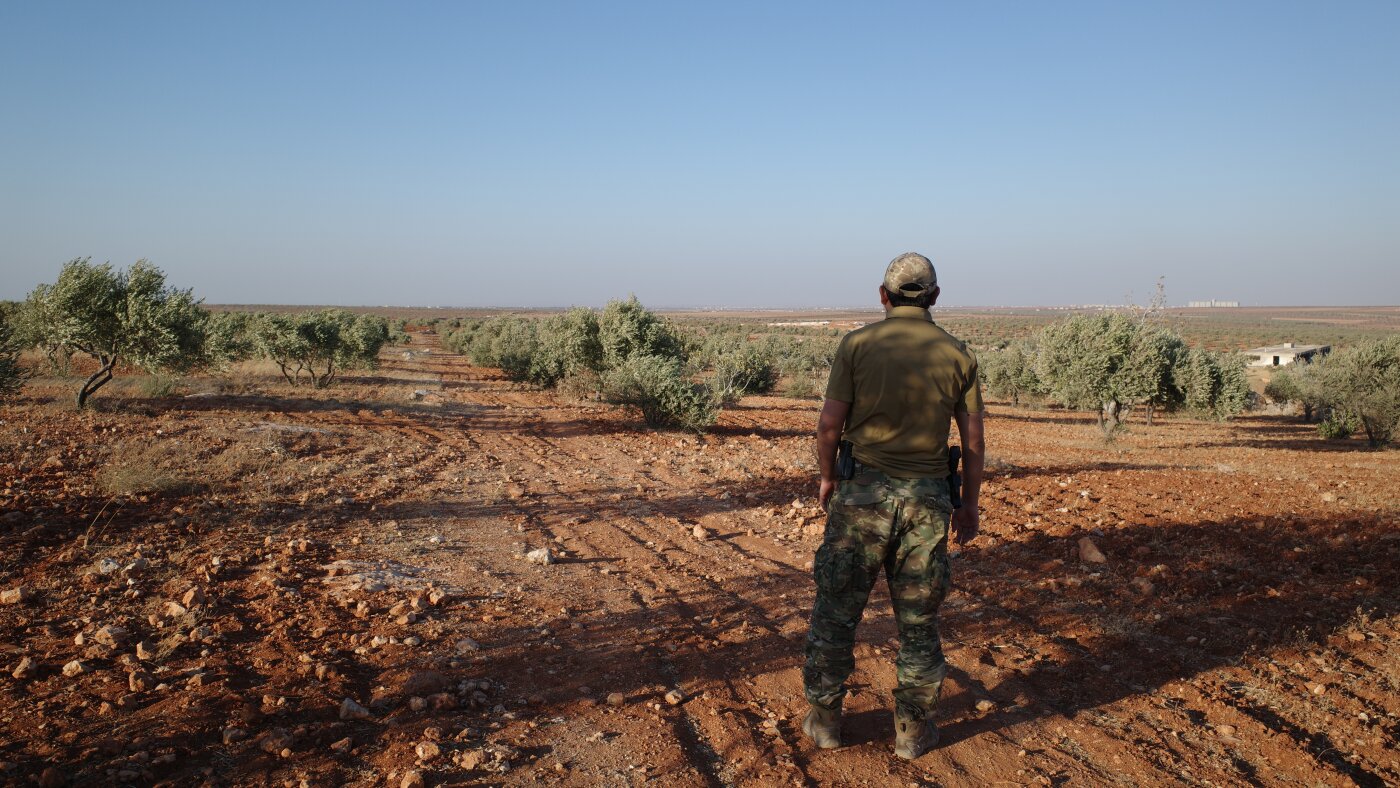
Thousands of ethnic Uyghur militants who fled China over the past decade and made their way to Syria are now integrated into the new Syrian National Army, an extraordinary turn that has set off a sharp diplomatic confrontation between Damascus and Beijing, NPR reported Sunday after spending several weeks with senior Uyghur commanders in the country. The Uyghurs, a Turkic-speaking and predominantly Muslim minority concentrated in China's far-western Xinjiang region, became the single largest contingent of foreign fighters in the Syrian civil war and were instrumental in the surprise December 2024 offensive that toppled the regime of Bashar al-Assad.
NPR correspondent Ruth Sherlock and producer Diaa Hadid documented one of the operations that helped bring down Aleppo: a Uyghur unit, organized under the umbrella of the Turkistan Islamic Party, secretly cleared a more than two-mile-long water tunnel in the Aleppo countryside and used it under cover of darkness to outflank Syrian government soldiers manning a fortified ridge. Just over a week after Aleppo fell on November 30, 2024, Assad fled to Russia and his 24-year rule collapsed. The reporting marks the first time senior Uyghur commanders have agreed to extensive interviews with Western media.
In gratitude for that battlefield contribution, the new Syrian transitional government, led by interim President Ahmad al-Sharaa, this year folded the largest Uyghur militia into the reconstituted Syrian National Army and appointed several Uyghur commanders as officers within the new defense ministry. Officials in Damascus have publicly discussed offering Syrian citizenship to Uyghur fighters and their families, a step that would frustrate Chinese efforts to repatriate them. NPR estimates between 3,000 and 5,000 Uyghur fighters and their dependents live in northwestern Syria today.
China has responded with steadily intensifying diplomatic pressure. As a permanent member of the U.N. Security Council, Beijing has refused to lift the terrorism sanctions imposed during the civil war on Syria, conditioning any movement on Damascus expelling Uyghur fighters that China considers terrorists tied to the East Turkestan Islamic Movement. Chinese Foreign Minister Wang Yi raised the issue directly with Syria's foreign minister Asaad Hassan al-Shaibani at a closed-door meeting on the sidelines of the Arab League summit in Riyadh last month, according to two Western diplomats briefed on the conversation. Syrian officials have rebuffed the request.
The standoff illustrates how the collapse of the Assad regime has produced unexpected geostrategic consequences far beyond Syria's borders. Beijing has invested heavily in Xinjiang's security architecture over the past decade, including a network of detention facilities that Human Rights Watch and the U.S. State Department have characterized as a system of mass internment, and views overseas Uyghur militancy as a direct threat to Chinese Communist Party rule. Damascus, in contrast, regards the Uyghurs as combat-tested allies and Sunni co-religionists at a moment when the new Syrian government is rebuilding state institutions and seeking to consolidate control over fractious militias. NPR reported that some Uyghur fighters have begun establishing villages in Idlib province, where they are reviving Uyghur-language schools and weaving traditional textiles for export.