U.S. Launches 'Project Freedom' to Force Open Strait of Hormuz After Iran Strikes UAE and Ships
CENTCOM says American forces have destroyed six Iranian boats. Strikes have hit a Chinese tanker, a South Korean container ship and a Fujairah oil terminal as oil prices climb 11%.
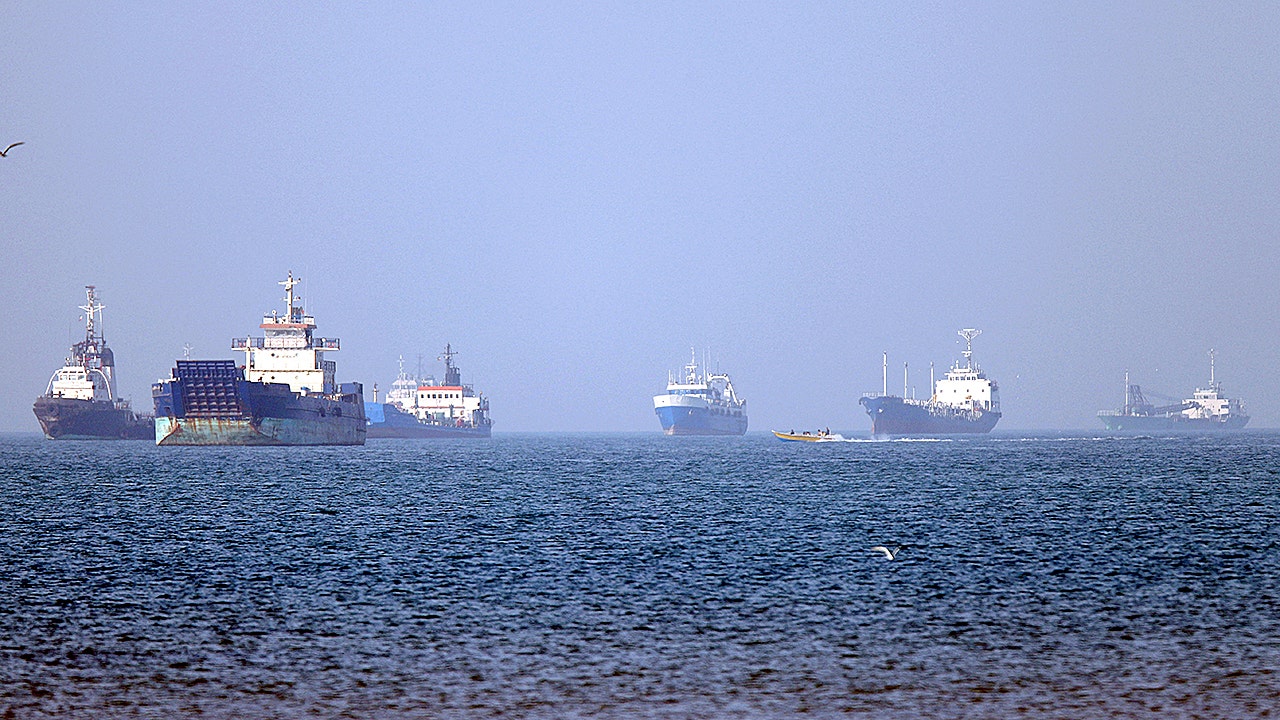
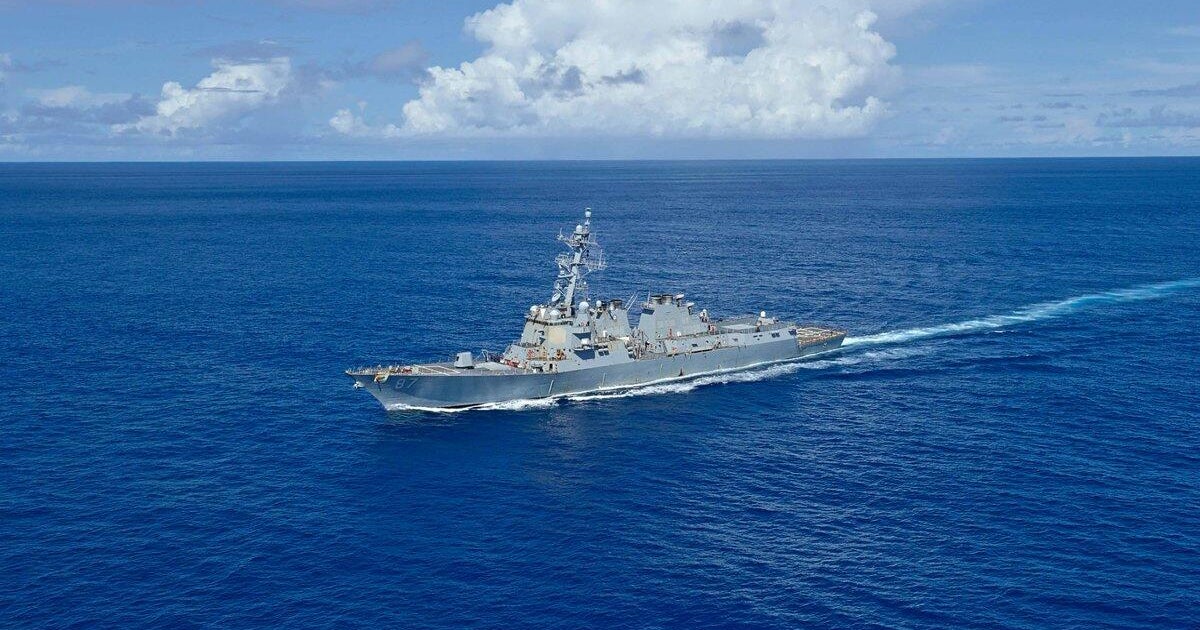
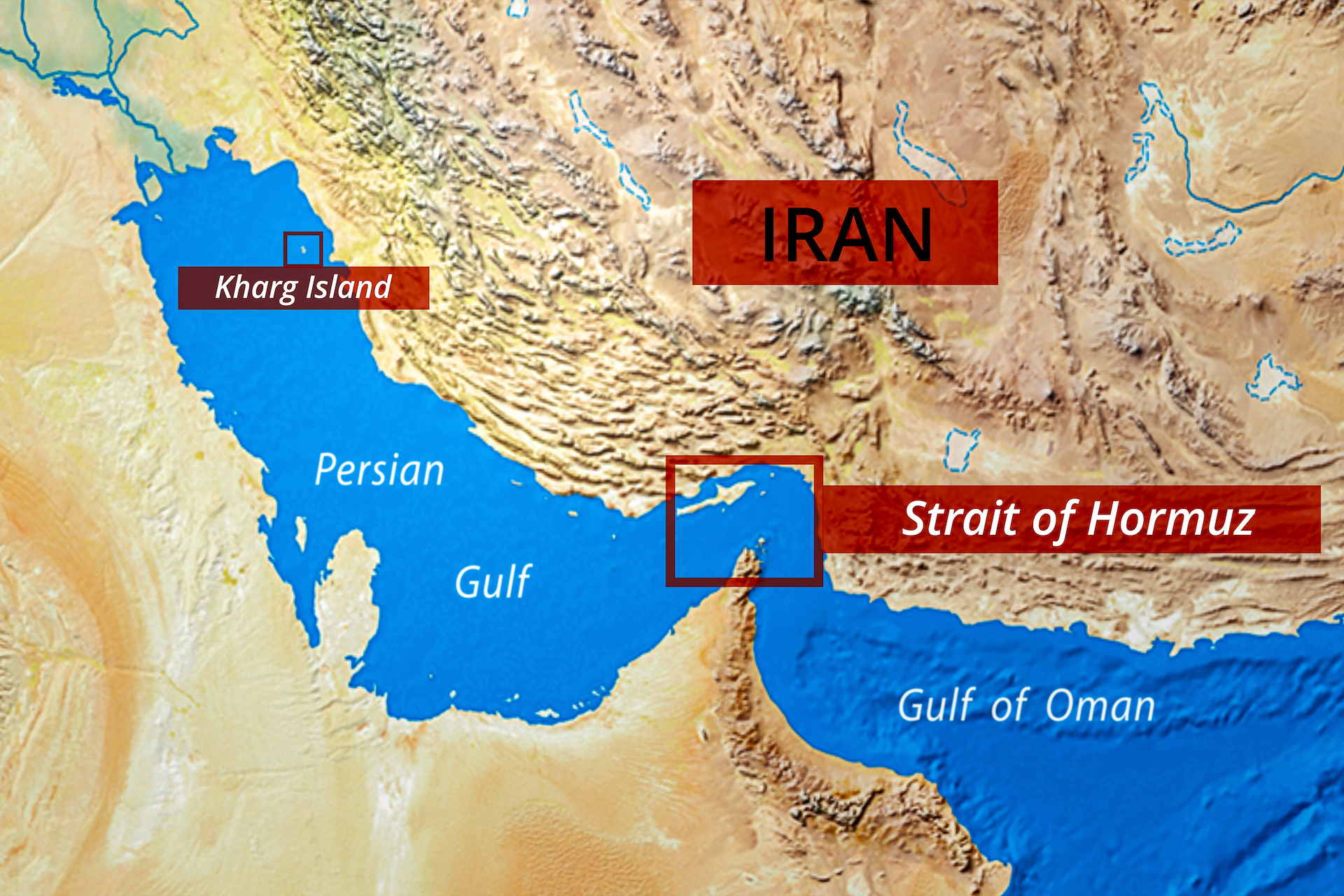
The United States military has launched a sweeping new operation called "Project Freedom" to force open the Strait of Hormuz after a fresh wave of Iranian attacks against commercial vessels and the United Arab Emirates threatened to shut down one of the world's most important shipping corridors. U.S. Central Command confirmed on Friday that American forces had destroyed at least six small Iranian boats over the past two weeks as they attempted to interfere with civilian traffic in the strait, while two U.S.-flagged commercial vessels had been escorted through the chokepoint under the program's protection.
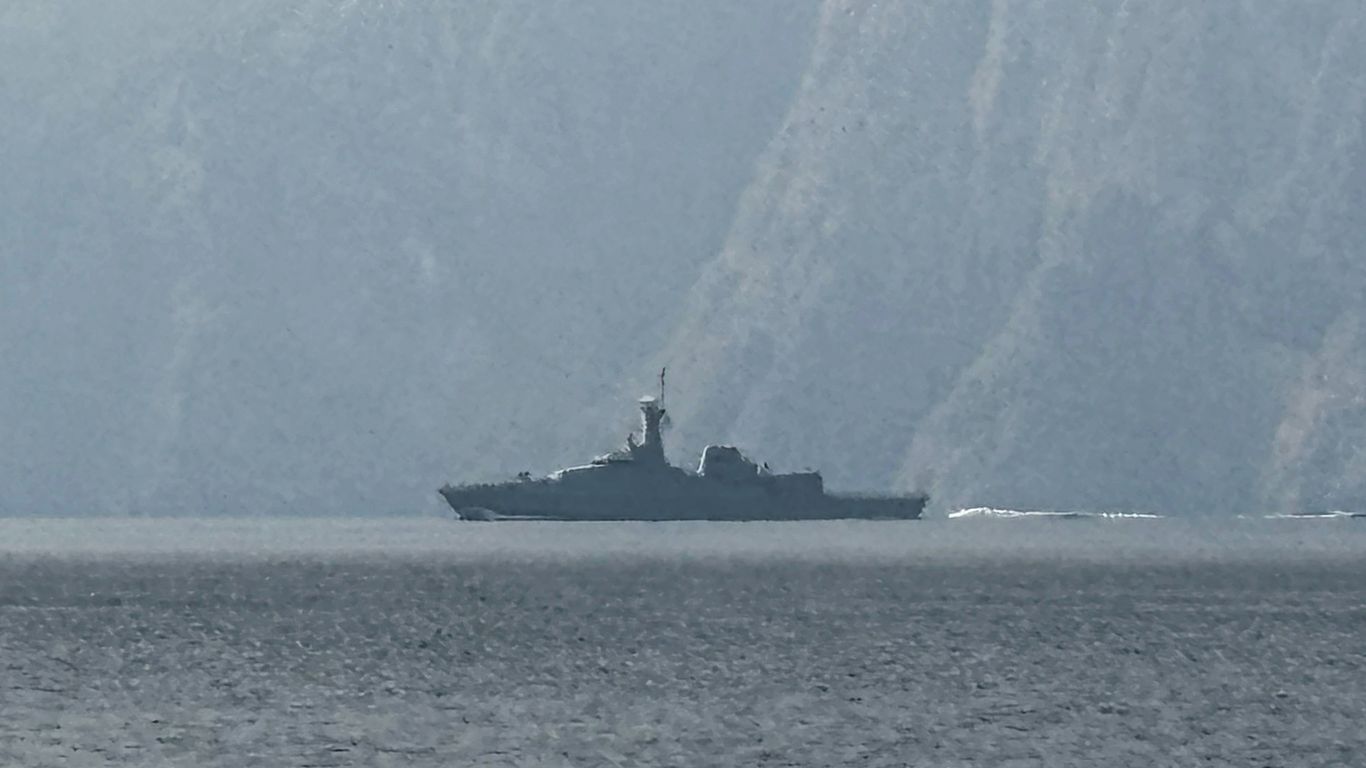
The operation, which President Trump publicly outlined earlier this month, involves guided-missile destroyers, more than 100 land- and sea-based aircraft, multi-domain unmanned platforms, and roughly 15,000 service members drawn from the Fifth Fleet and air assets across the Gulf. Defense Secretary Pete Hegseth said the deployment was "the largest U.S. naval presence in the region since the 1991 Gulf War," and warned that any further Iranian attempt to target an American-flagged ship would draw an "overwhelming" response.
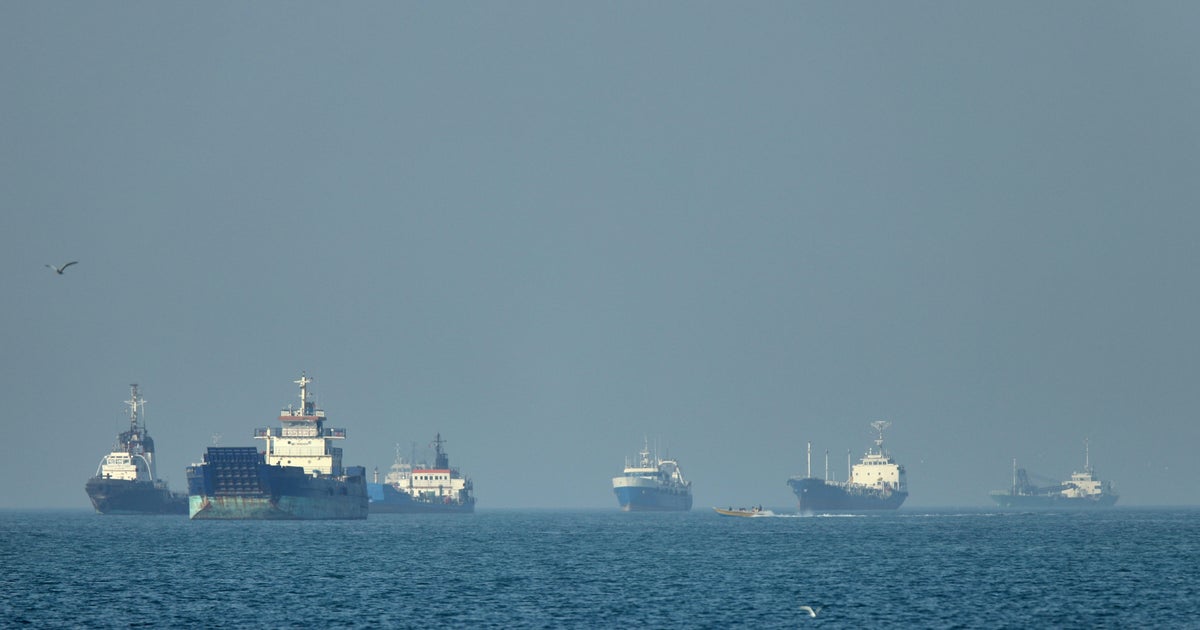
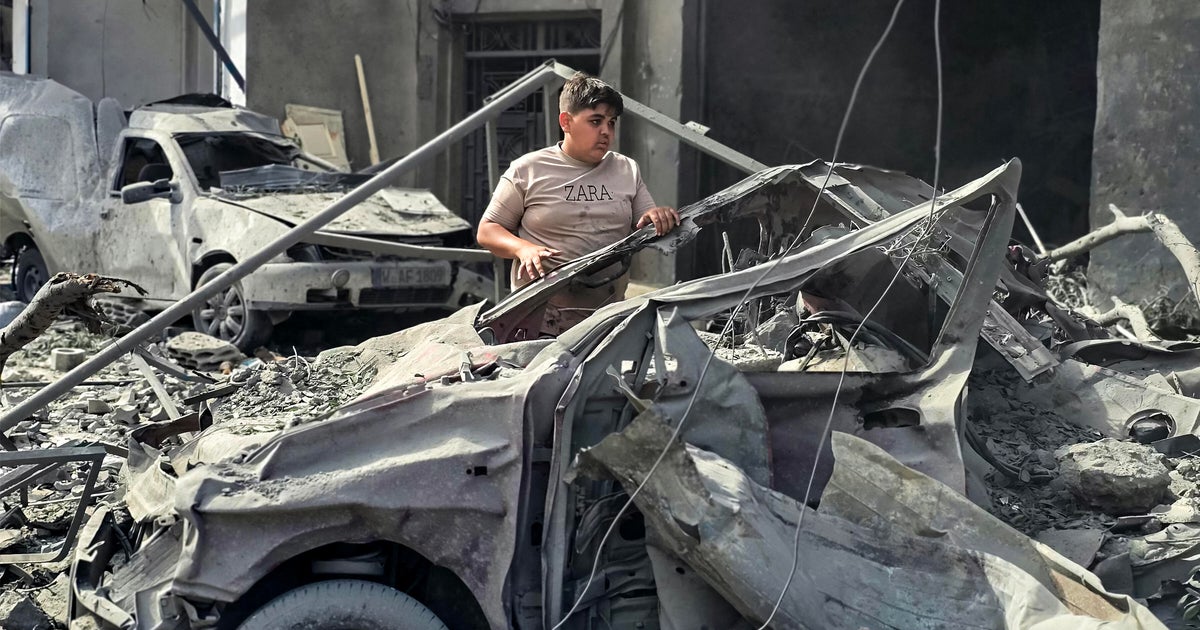
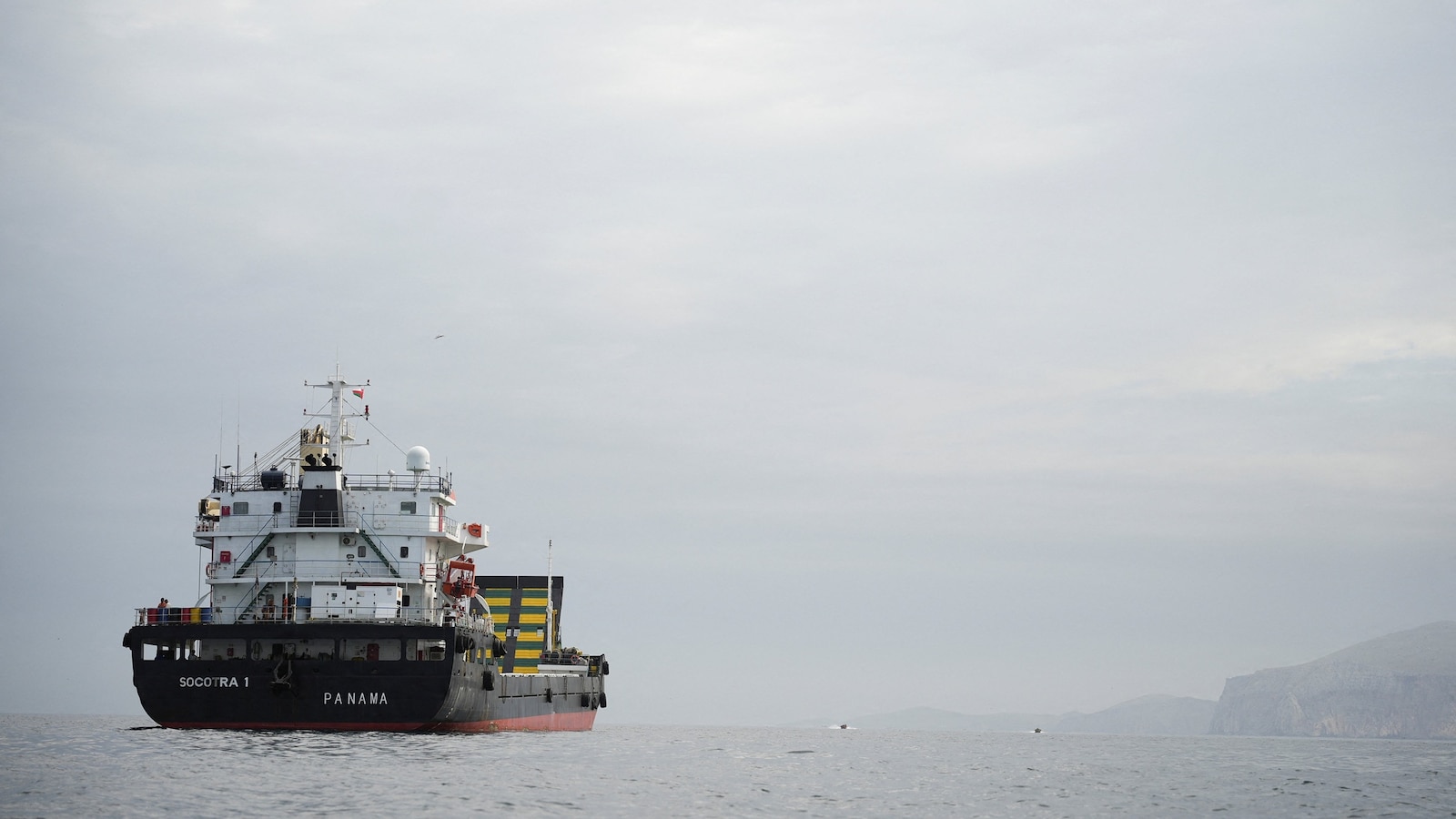
The latest flare-up began on May 4 when the UAE said it had come under direct attack for the first time since a fragile April ceasefire took hold. The UAE Defense Ministry reported intercepting 15 missiles and four drones launched by Iran, with one drone slipping through to spark a fire at a major oil-export terminal in the emirate of Fujairah that wounded three Indian nationals. Hours later, the South Korean container ship HMM Namu reported an explosion and fire while anchored off the UAE coast, though all 24 crew members were unhurt. The CMA CGM San Antonio, a French-operated container vessel, was struck by what appeared to be a cruise missile in the strait the next day, leaving eight crew members injured.
On May 7, a Chinese-owned chemical tanker, the JV Innovation, was attacked in the strait — the first time during this crisis that a Chinese-flagged vessel had been targeted, according to reporting by Caixin Global. Beijing condemned the strike and said it had filed a formal protest with Iran. On May 14, the UK Maritime Trade Operations agency reported that yet another commercial ship had been seized off the UAE coast and was being diverted into Iranian territorial waters. Iranian state media has denied that any of its boats were destroyed by the U.S. military and accused Washington of "manufacturing an aggressive narrative" to justify a wider war.
Roughly 20% of the world's seaborne oil and a fifth of global liquefied natural gas pass through the Strait of Hormuz each day, and brent crude prices have climbed nearly 11% since the attacks resumed. Lloyd's of London raised marine war-risk premiums for transits of the strait to their highest levels since the 1980s tanker war. "The strait must remain open. There is no acceptable alternative," Hegseth told reporters at the Pentagon, refusing to rule out direct strikes on Iranian naval bases if attacks on civilian shipping continue.