Ukrainian Drones Knock Out a Quarter of Russia's Refineries, Forcing Moscow to Import Fuel
One of the world's biggest oil exporters is now moving to buy gasoline from abroad as relentless drone strikes cripple refining capacity, dry up pumps and spark hours-long lines even in Moscow.

Russia, one of the world's largest oil exporters, is preparing to import gasoline for the first time in memory as a sustained campaign of Ukrainian drone strikes knocks out roughly a quarter of the country's refining capacity and plunges the nation into its worst fuel crisis of the war.
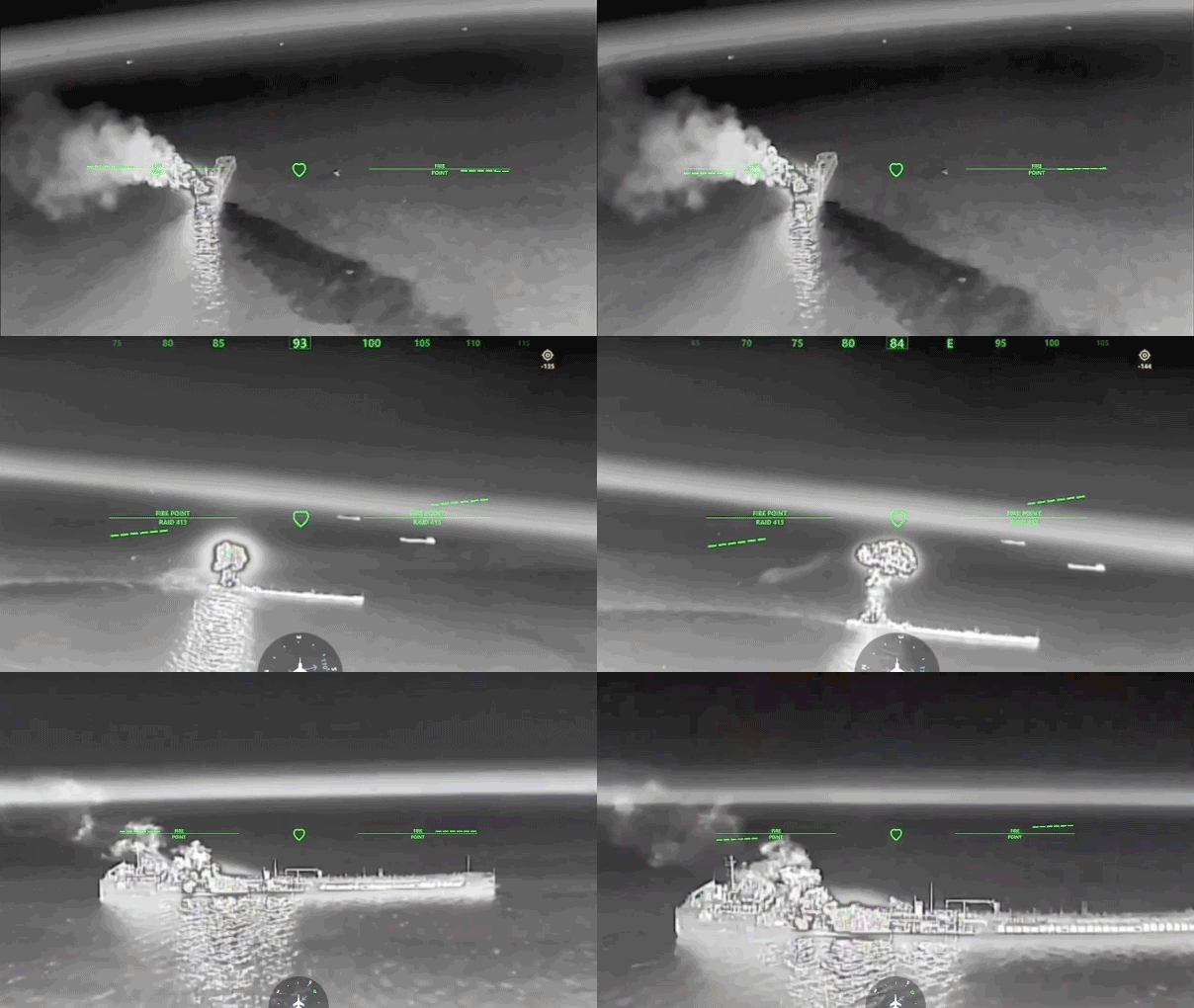
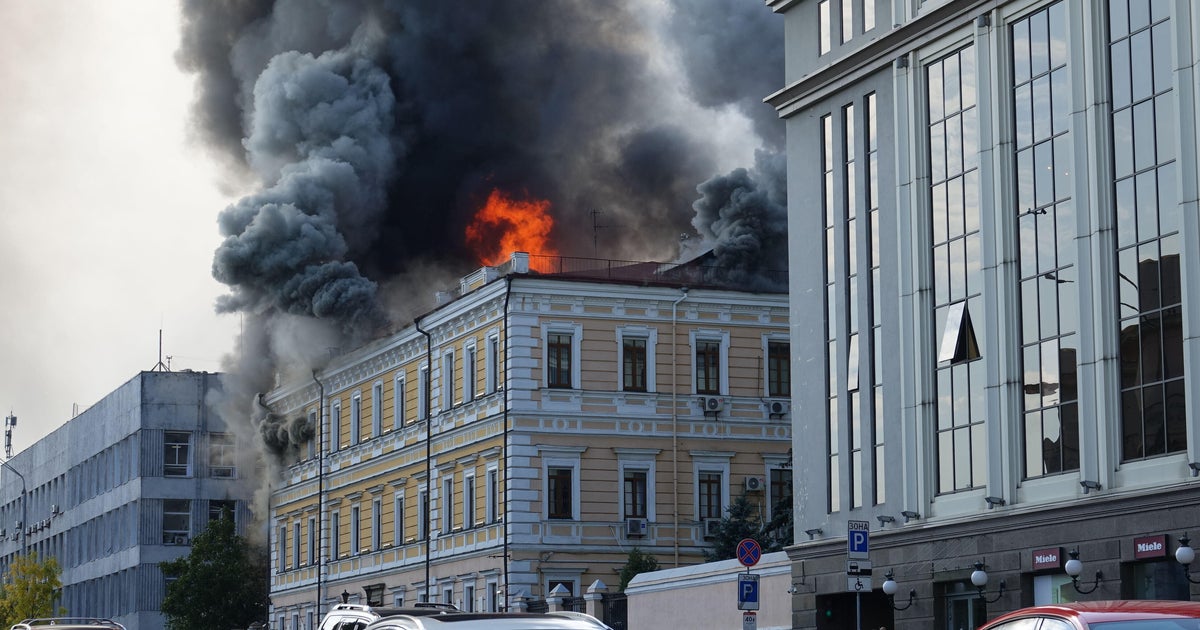
The disruption began building in mid-June and has since spread across the country. Ukrainian drones have repeatedly targeted refineries deep inside Russia, and industry sources told Reuters that gasoline production has fallen about 25 percent from its daily average of a year earlier. The International Energy Agency called the level of damage "unprecedented" in the history of the war and estimated that Russia's oil output in May ran 10 percent below its monthly target.
For ordinary Russians, the shortage is now a daily ordeal. Long lines have formed at filling stations across the country, including in the prosperous capital, Moscow, where drivers wait for hours to top up their tanks. In some regions the pumps have simply run dry. Where fuel is available, sales are often capped at 20 to 30 liters per vehicle, and motorists are barred from filling jerry cans — a measure meant to stretch scarce supply and curb hoarding.
The Kremlin has scrambled to respond. The government banned exports of gasoline and jet fuel and is weighing an extension of the ban to diesel, while reportedly making arrangements to import as much as 400,000 tonnes of gasoline a month from foreign suppliers — a humbling reversal for a country whose economy is built on selling energy to the world. President Vladimir Putin has publicly acknowledged the shortages, a rare admission of the war's cost hitting the home front.
The crisis is the product of a deliberate Ukrainian strategy. President Volodymyr Zelenskyy has authorized an intensified 40-day military and intelligence campaign aimed at squeezing Russia's war economy and pressuring Moscow toward ending the conflict. By striking refineries rather than front-line targets, Kyiv is targeting the revenue and logistics that keep the Russian war machine running — and the lengthening lines at Russian gas stations are the most visible sign yet that the pressure is landing.