Trump Calls Off Tuesday Strike on Iran After Gulf Arab Plea, Warns Pentagon to Be Ready for 'Full, Large Scale Assault' on a Moment's Notice
Oil retreated below $110 as the president gave Tehran a 72-hour window to accept a U.S.-backed deal — even as the USS Gerald R. Ford and USS Eisenhower remained on station in the Arabian Sea.

President Donald Trump called off a planned U.S. military strike on Iran scheduled for Tuesday, telling reporters Sunday that he had agreed to a request from the leaders of Saudi Arabia, the United Arab Emirates and Qatar to give a final round of negotiations 72 hours to produce a deal — while simultaneously warning that he had instructed the Pentagon "to be prepared to go forward with a full, large scale assault of Iran, on a moment's notice, in the event that an acceptable Deal is not reached."
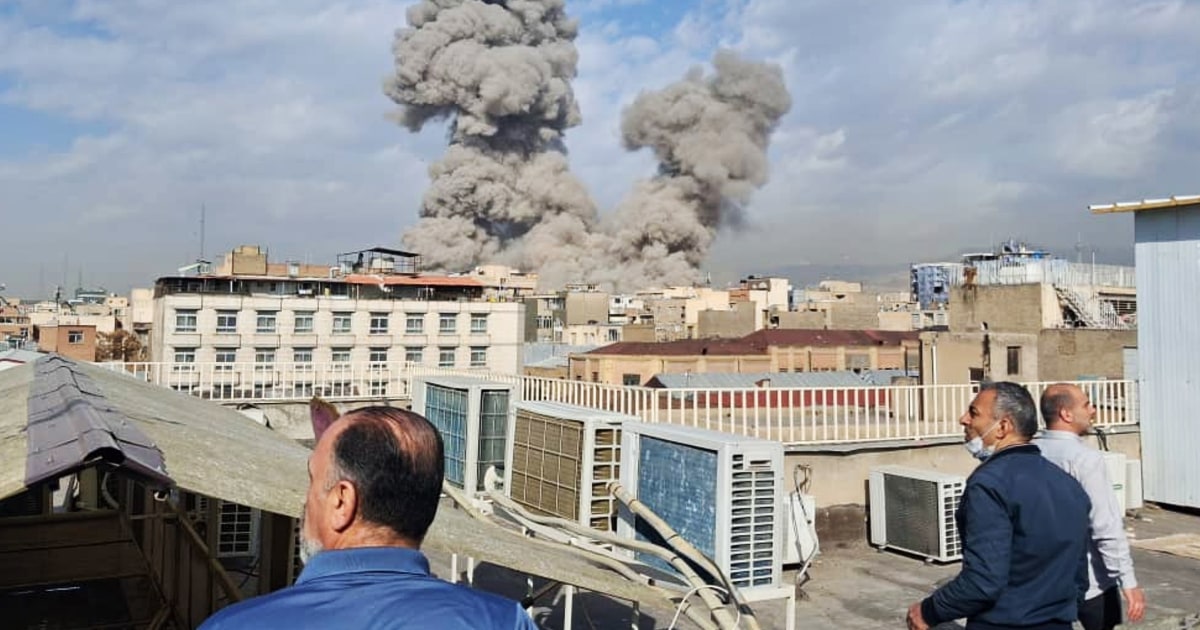
The pause sent international benchmark Brent crude back below $110 a barrel in late Sunday trading after the contract had briefly topped $112 on Friday on reports that Tehran's latest peace proposal had been judged "insufficient" by U.S. negotiators. West Texas Intermediate retreated to about $105 after touching $108 earlier in the session, before stabilizing near $107 in Monday morning electronic trading. Markets had spent the weekend bracing for a Tuesday strike after Iranian state media reported attacks over the weekend on energy infrastructure across the Persian Gulf, including the Barakah nuclear plant in the United Arab Emirates.
Trump revealed the postponement in a five-paragraph post on Truth Social shortly after midnight Sunday, writing that the Gulf Arab leaders had personally appealed to him during a series of phone calls Saturday to give Iran one final opening. "Serious negotiations are now taking place that I believe will result in a Deal acceptable to the United States and our Allies in the region," Trump wrote. "I have, therefore, instructed the Pentagon to stand down on the planned strikes for Tuesday — but to be prepared to go forward with a full, large scale assault of Iran, on a moment's notice, in the event that an acceptable Deal is not reached." Iranian state media confirmed that Tehran had passed an amended set of terms through Pakistani mediators on Friday.
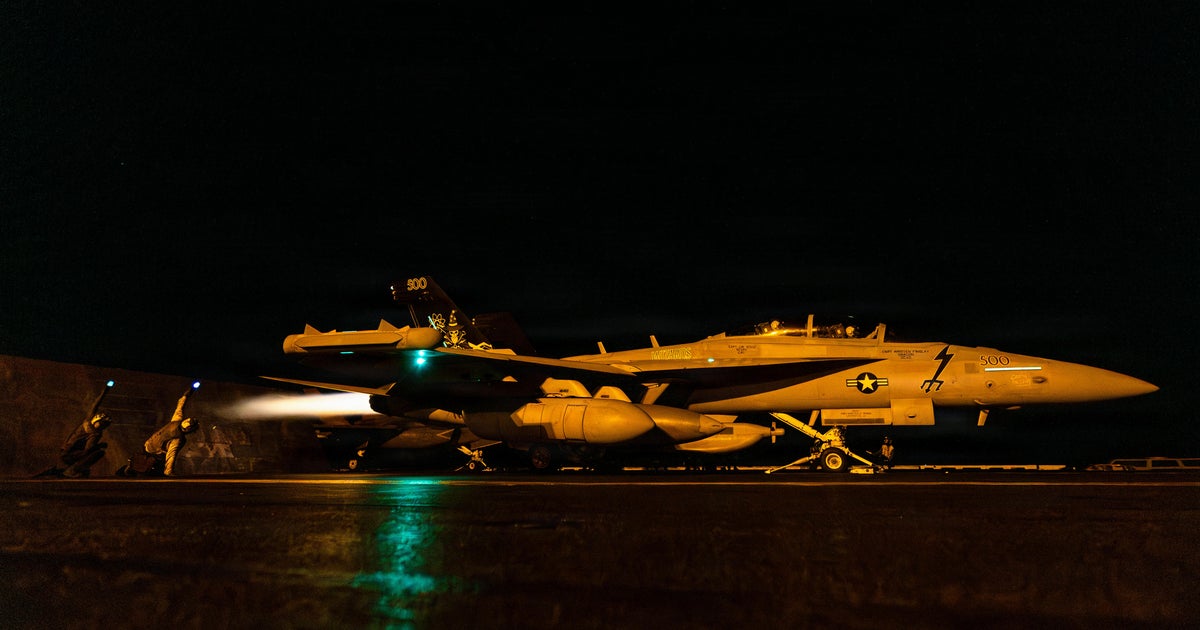
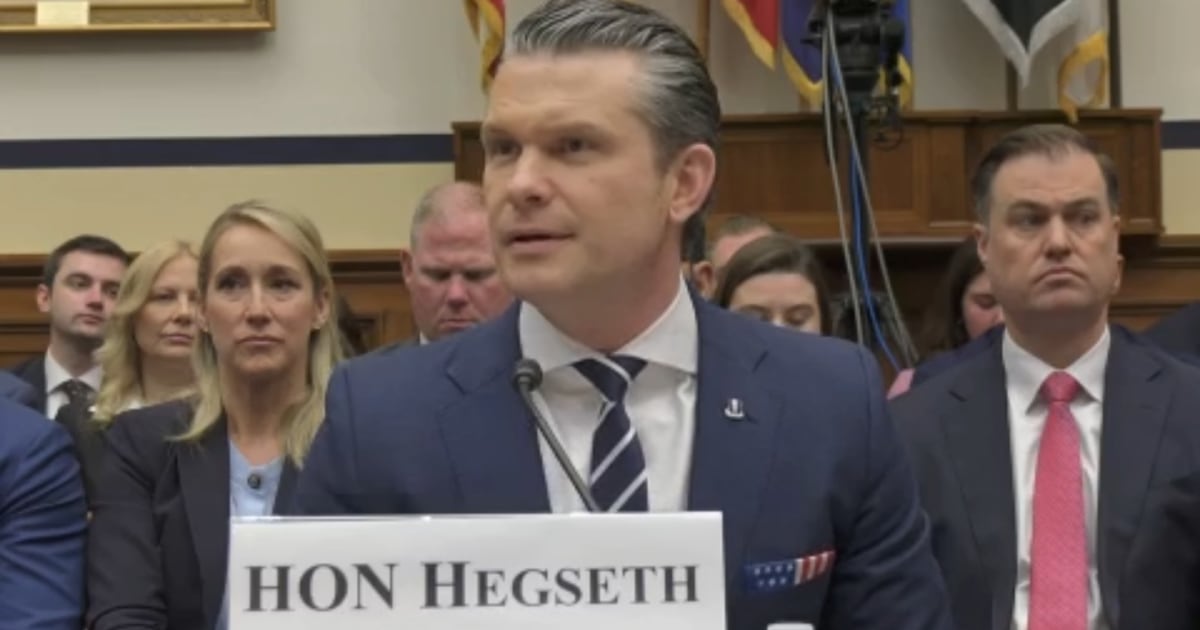
The latest pause is at least the fourth time since the March 2 outbreak of the U.S.-Iran war that Trump has delayed a planned strike at the request of Arab Gulf states, which sit directly in the line of Iranian retaliatory missile and drone fire and which export roughly 17 million barrels of oil a day through the Strait of Hormuz. Defense Secretary Pete Hegseth told Fox News on Sunday afternoon that U.S. Central Command remained at "full readiness" and that the carrier strike groups led by the USS Gerald R. Ford and USS Dwight D. Eisenhower were still in the Arabian Sea. Officials at the Pentagon, speaking on condition of anonymity, said the cancelled strike package had targeted Iran's underground Fordow uranium enrichment plant, the Natanz centrifuge halls and elements of the Islamic Revolutionary Guard Corps Aerospace Force.
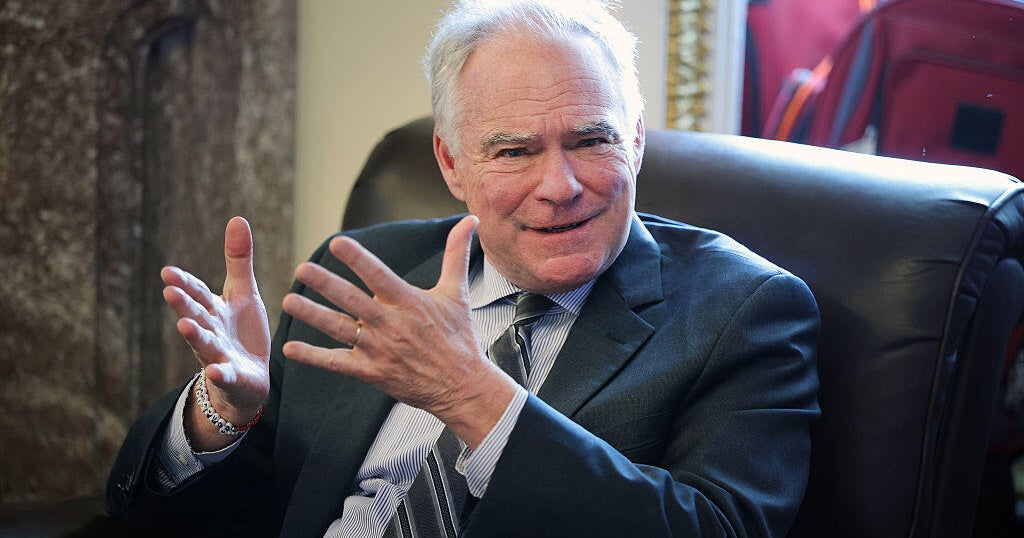
On Capitol Hill, the Senate failed last Tuesday for the seventh time since March to pass a War Powers Resolution that would have required Trump to obtain congressional authorization for further offensive operations against Iran. The measure failed 50-49, with Republicans Lisa Murkowski, Susan Collins and Rand Paul voting with Democrats. Democratic leaders said Sunday that the latest "moment's notice" threat from the president underscored why a fresh war-powers vote will be on the floor as early as Wednesday. "The Constitution does not allow one man to decide whether the United States enters a regional war over a 72-hour window," Senate Minority Leader Chuck Schumer said in a statement. White House press secretary Karoline Leavitt responded that the president "retains the full authority of Article II to protect American forces and American interests."