Senate Republicans Defy Trump on Iran War Powers and Balk at $220M for East Wing Ballroom Security
Three GOP senators voted to curb the president's Iran war authority, and Susan Collins led pushback on a security request Trump had pledged donors would pay for — fresh signs the president's congressional coalition is "fraying but not broken."
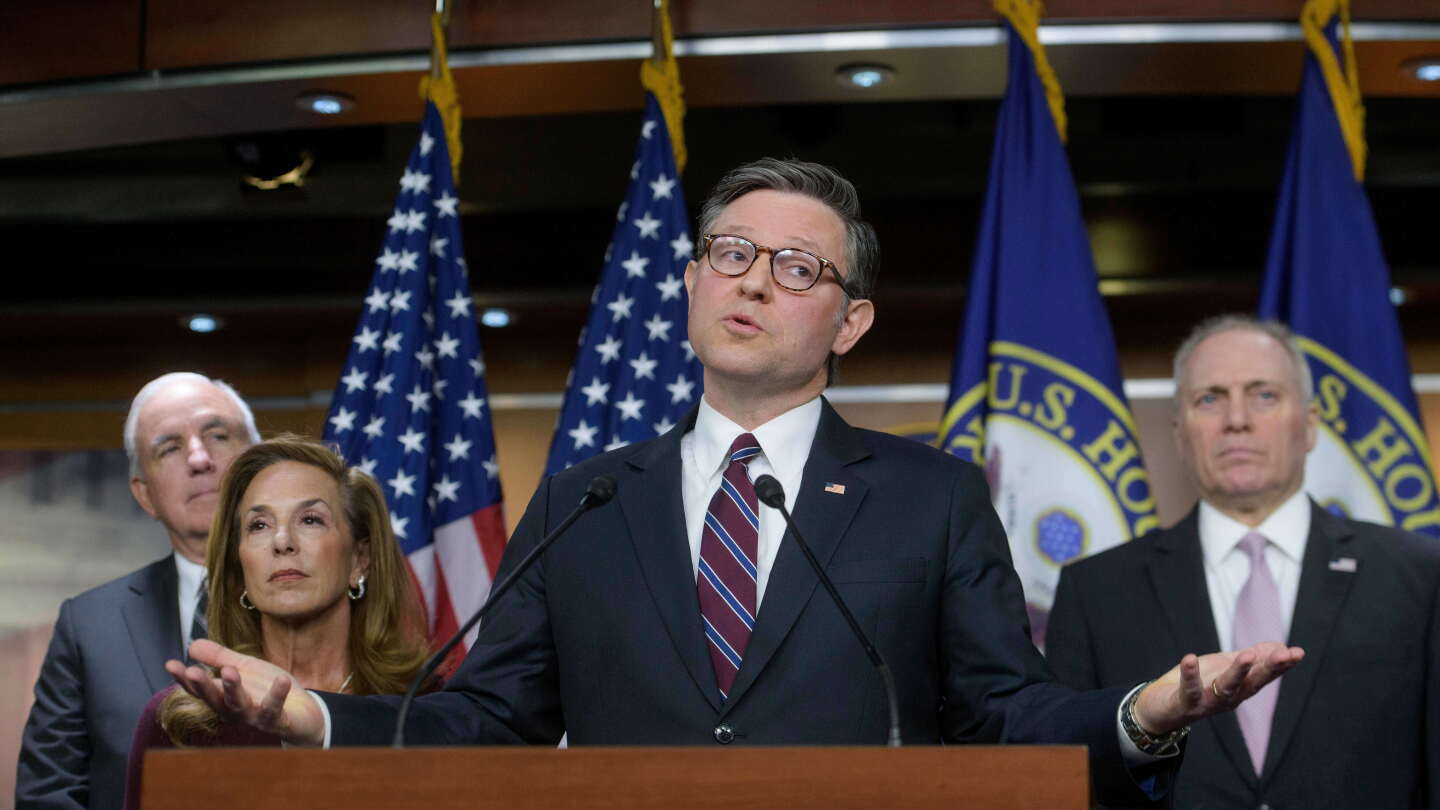
Cracks in President Donald Trump's Republican coalition on Capitol Hill widened this week, with three GOP senators voting to curb his Iran war authority and a growing number of lawmakers publicly opposing a White House request for $220 million in taxpayer funds to secure Trump's new East Wing ballroom — a project Trump had previously promised would be paid for entirely by private donors.
The Iran war-powers resolution, the seventh of its kind since the conflict began, failed in the Senate on May 13 by a vote of 50-49. Senators Susan Collins of Maine, Lisa Murkowski of Alaska and Rand Paul of Kentucky crossed party lines in support of the measure, with Democratic Senator John Fetterman of Pennsylvania casting the lone Democratic vote against. It was the highest Republican defection rate yet on a war-powers vote, and the first time Murkowski had joined the Democrats on any Iran-related resolution. "My colleagues and I have been forcing votes to stop the war against Iran — and we're making progress," said Senator Tim Kaine of Virginia, the lead Democratic sponsor.
The Iran vote came amid mounting frustration in both chambers over the cost and direction of the U.S.-Israel military campaign, which has driven gasoline prices above $4.50 a gallon and helped push consumer-price inflation expectations to record highs. A Reuters/Ipsos poll released this week found two-thirds of Americans believe Trump has not adequately explained the war's justification. Trump launched military action against Iran in April without seeking congressional authorization, citing his powers as commander in chief.
The second flashpoint is closer to home: Trump's $1 billion supplemental request to fund security upgrades at the White House complex, which includes $220 million earmarked for bulletproof glass, drone-detection systems and other hardening at the East Wing ballroom Trump is building on the site of the historic ground-floor entrance. "President Trump indicated that the ballroom was going to be built with private donations," Collins, the chairwoman of the Senate Appropriations Committee, told reporters Tuesday. "I think that's the commitment that should be kept." Senator Rand Paul echoed her: "Private funding — that's still my preference."
House Republicans privately voiced even sharper concerns. Rep. Don Bacon of Nebraska, who has announced his retirement after this term, said the original plan was "a good plan — that donors are gonna pay for this," and called the request "bad optics" at a moment when families are absorbing 6 percent inflation. A swing-district House Republican, granted anonymity to speak frankly, told reporters the ballroom provision "should be stripped out entirely" before any package comes to the floor. Speaker Mike Johnson has so far declined to commit to including it, while Senate Majority Leader John Thune publicly backs the funding.
The White House pushed back forcefully. Press secretary Karoline Leavitt called reports of GOP fissures "nonsense" and said the security request reflected "the unprecedented threat environment around the president of the United States." But veteran GOP strategists say the combination of an unpopular war, runaway inflation, and a vanity construction project being funded by taxpayers is politically toxic heading into the November midterms, where Republicans are defending a four-seat House majority. "Members are looking at their own elections," Rep. Kevin Hern of Oklahoma, the House Republican Policy Committee chair, told reporters. "That's what this place always comes down to." Vice President JD Vance, asked about Republican defections during a Wall Street Journal interview Friday, said he was "not concerned at all" — though he conceded the relationship between the White House and Capitol Hill Republicans was, in his words, "a work in progress."




:max_bytes(150000):strip_icc()/multsquares1-56a6022d3df78cf7728add54.jpg)