Russian Cargo Ship Sunk Off Spain Was Carrying Submarine Nuclear Reactors Bound for North Korea, CNN Investigation Finds
Spanish investigators believe the Ursa Major may have been struck by a Barracuda supercavitating torpedo — a weapon possessed by only a handful of elite militaries, including the United States — in what could be a rare Western intervention to halt nuclear technology transfers to Pyongyang.

A Russian cargo ship that suffered a series of unexplained explosions and went to the bottom of the Mediterranean in December 2024 was carrying components for two submarine nuclear reactors that were almost certainly destined for North Korea, a months-long CNN investigation published this week concluded. The findings, drawn from Spanish criminal files, interviews with surviving crew and open-source intelligence analysts, point to one of the most consequential and least understood nuclear proliferation incidents of the decade.
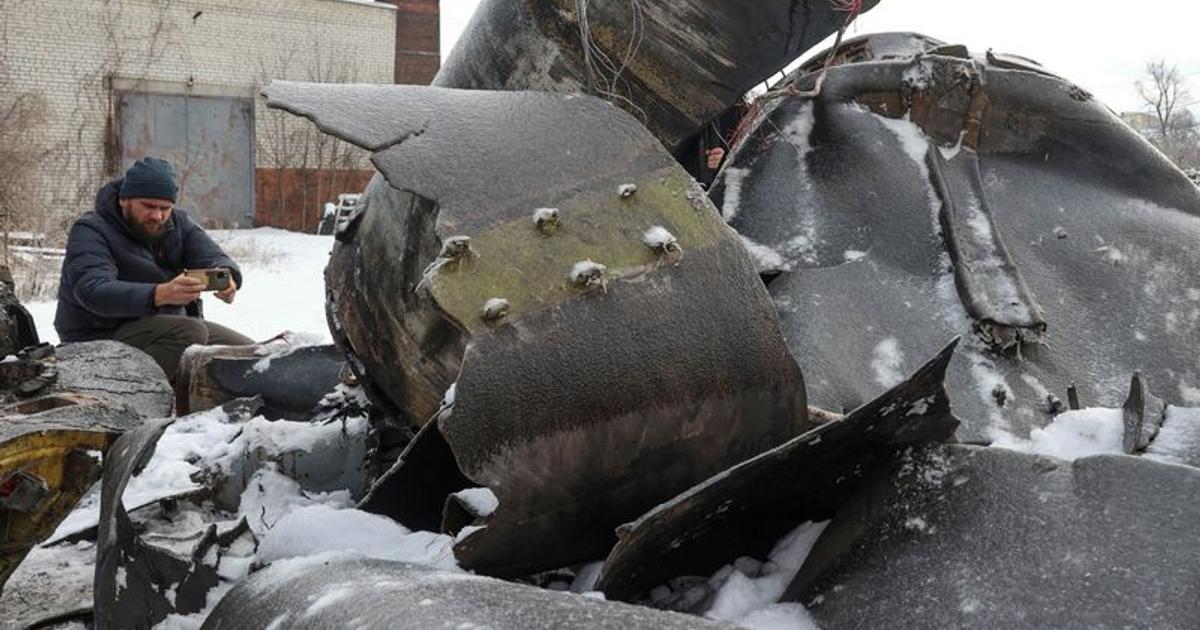
The ship, the Ursa Major, was a 5,400-ton Russian-flagged general cargo vessel operated by a transport arm of the Russian defense ministry. It sank about 60 miles off the Spanish coast between Cartagena and Almería on December 23, 2024, after three blasts ripped through its hull in quick succession. Two crew members were killed and the remaining 14 were plucked from life rafts by a passing Spanish patrol boat. Moscow at the time blamed a terror attack and offered no further explanation, and the wreck has sat in roughly 12,000 feet of water ever since.
In extensive interviews with Spanish investigators, the Russian captain said the Ursa Major was hauling 'components for two nuclear reactors similar to those used in submarines,' according to court documents reviewed by CNN. He said he was unsure whether the reactors were loaded with nuclear fuel — a detail that has alarmed nonproliferation experts, who note that even unfueled naval reactor sections would provide North Korea with a generational leap in submarine propulsion. Pyongyang has been struggling to develop a viable nuclear-powered submarine for years and has openly courted Russian help in exchange for ammunition and troops fighting in Ukraine.
More explosive still is the Spanish hypothesis about how the Ursa Major went down. According to the investigative dossier, forensic analysis of the hull damage and the timing of the explosions are consistent with a strike by a Barracuda supercavitating torpedo, a weapon that travels at extreme speeds inside a gas bubble and is possessed by only a handful of the world's most elite militaries — including the United States. No country has claimed responsibility, and U.S. officials contacted by CNN declined to comment on operational matters.
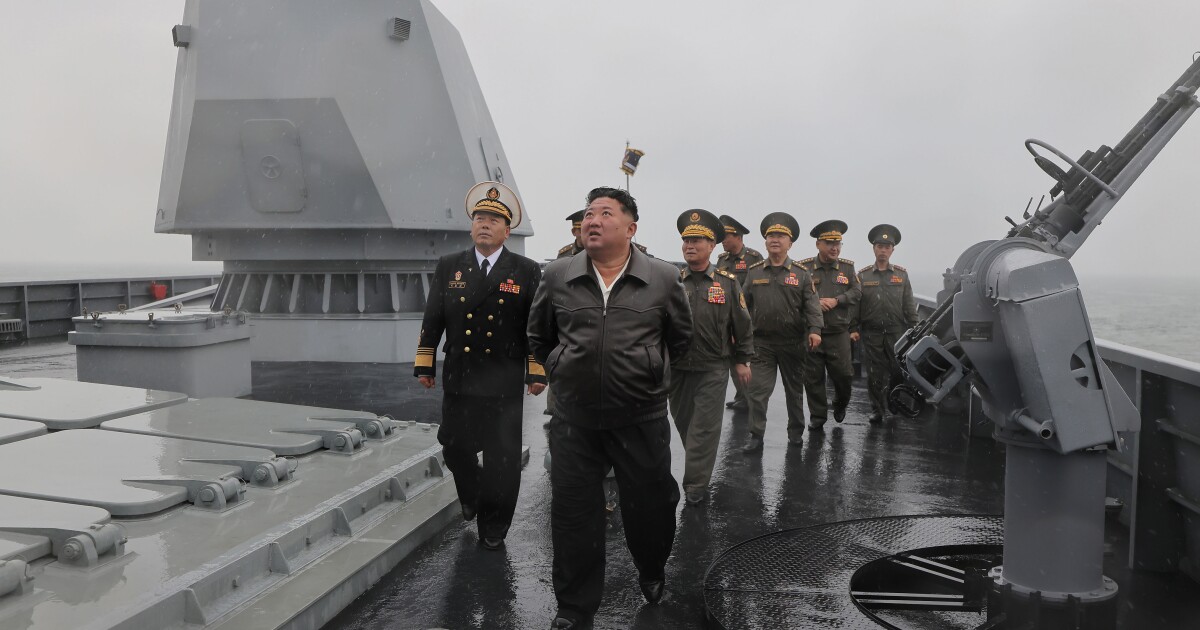
If accurate, the strike would mark a rare and high-stakes covert intervention by a Western military to physically stop the transfer of weapons-grade nuclear technology to a close Russian ally. It would also suggest that Washington and its partners have moved well beyond sanctions and interdictions in confronting the Moscow-Pyongyang military alliance that has emerged since the start of the war in Ukraine. North Korea has supplied Russia with millions of artillery shells and ballistic missiles and dispatched thousands of soldiers to the front, and in return has received cash, food, fuel and, U.S. intelligence has warned, advanced military technology.
Independent open-source analysts who reviewed the CNN investigation said the Ursa Major's voyage profile is consistent with a route through the Suez Canal toward the Indian Ocean and on to a North Korean port, possibly via a transshipment in a Russian Pacific harbor. The Russian government has not publicly responded to the new findings. The Spanish probe remains open, but with the wreck sitting beyond conventional salvage depths, the full truth about what was inside the Ursa Major — and who sent it to the bottom — may stay locked in the Mediterranean for years to come.