RFK Jr. Rewrites CDC Panel Charter, Opening Door to Anti-Vaccine Critics
Health secretary's changes to advisory committee structure could allow vaccine skeptics to gain influence over national immunization policy.
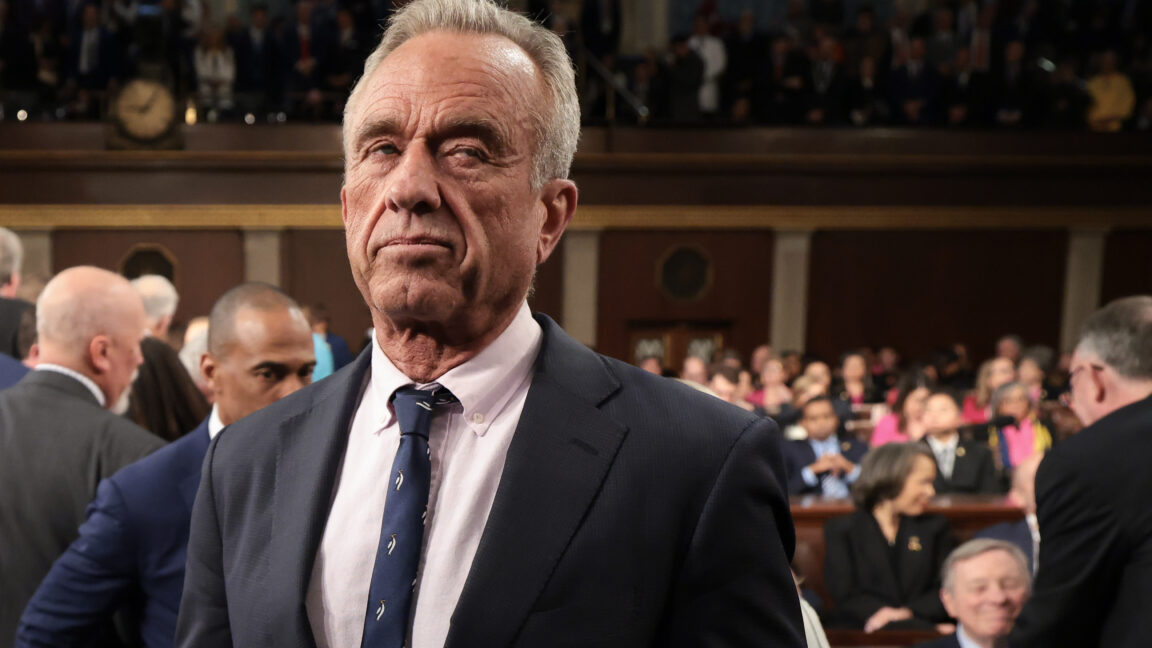
Health and Human Services Secretary Robert F. Kennedy Jr. has fundamentally altered the charter governing the Centers for Disease Control and Prevention's influential vaccine advisory panel, potentially clearing the way for vaccine critics to gain unprecedented influence over national immunization policies. The changes to the Advisory Committee on Immunization Practices (ACIP) represent one of the most significant modifications to federal health advisory structures in decades.
The ACIP traditionally consists of medical experts, epidemiologists, and public health professionals who evaluate vaccine safety and efficacy data to make recommendations that guide national immunization programs. These recommendations typically influence vaccination policies for millions of Americans, from routine childhood immunizations to emergency pandemic responses. The committee's scientific rigor and independence have been hallmarks of its credibility since its establishment.
Kennedy's charter modifications appear designed to broaden the definition of acceptable expertise and potentially reduce the scientific credentials required for committee membership. Sources familiar with the changes suggest that the new framework could allow individuals with alternative perspectives on vaccine safety and efficacy to serve alongside traditional medical professionals. This shift aligns with Kennedy's long-standing criticism of what he characterizes as a too-narrow focus on conventional vaccine science.
Public health experts have expressed alarm about the potential implications of these changes, arguing that introducing non-scientific perspectives into vaccine policy deliberations could undermine evidence-based decision making. They point to decades of scientific consensus supporting vaccine safety and effectiveness, noting that the current advisory structure has successfully guided immunization policies that have prevented countless deaths and serious illnesses.
The timing of these changes coincides with ongoing debates about vaccine mandates, childhood immunization requirements, and public trust in health authorities following the COVID-19 pandemic. Kennedy's modifications to the ACIP charter represent part of a broader effort to reshape federal health policy in line with the Trump administration's skeptical approach to traditional public health institutions. The long-term consequences of these changes remain uncertain as the committee prepares to operate under its new framework.