SPC Hoists Rare Level 4 'Moderate Risk' for Strong, Long-Track Tornadoes Across Kansas, Nebraska and Iowa
Forecasters warn of EF-2 or stronger tornadoes, baseball-sized hail and 75-mph winds Monday, a day after an EF-3 leveled much of Hebron, Nebraska. Aon pegs Sunday's insured losses alone at $1.2 to $2 billion.

NORMAN, Okla. — The Storm Prediction Center upgraded its Monday severe-weather outlook to a Level 4 of 5 "moderate risk" across central and eastern Kansas, southeastern Nebraska, and southwestern Iowa, warning of long-track tornadoes, hail the size of baseballs, and damaging winds above 75 mph as a second consecutive day of explosive convection bears down on the Great Plains.
The Level 4 designation, used roughly half a dozen times a year, was issued at 0700 CDT and centered on the dryline-and-cold-front "triple point" near Salina, Kansas, where forecasters expect daytime heating to push surface dewpoints into the upper 60s under a 70-knot mid-level jet. "This is the kind of setup where supercells go up by mid-afternoon and stay tornadic into the overnight hours," SPC lead forecaster Bill Bunting said in a written outlook. "We are particularly worried about strong, long-track tornadoes between Wichita and Omaha after 4 p.m. local time."
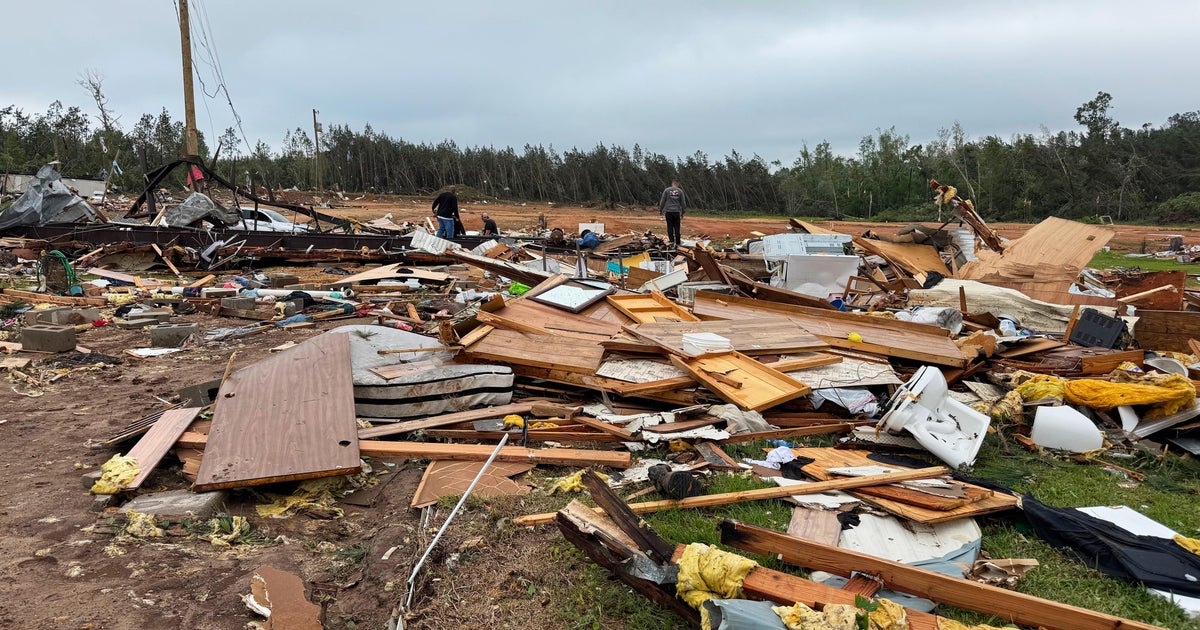
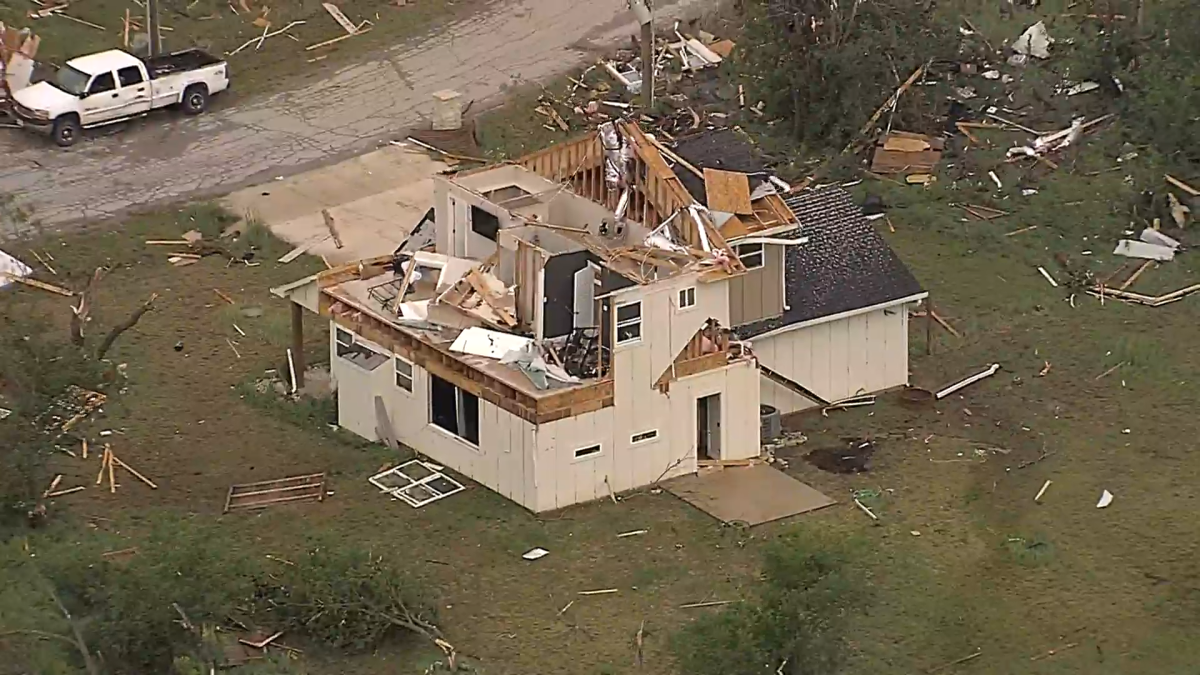
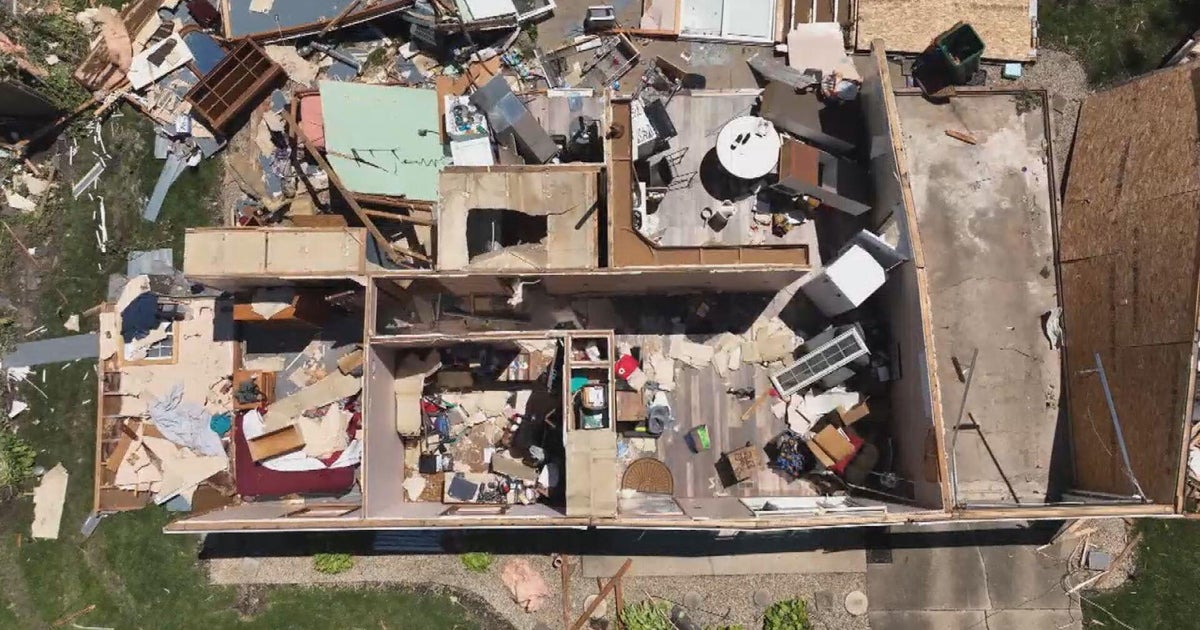
The Plains have been under siege since Sunday afternoon, when an EF-3 tornado leveled much of the town of Hebron, Nebraska, killed at least two people, and dropped baseball-sized hail across northwestern Missouri, prompting the National Weather Service in Pleasant Hill to issue a rare tornado emergency. As of Monday morning, the NWS Storm Prediction Center had logged 38 preliminary tornado reports across Nebraska, Iowa, Kansas, and South Dakota since 6 a.m. Sunday, with confirmation surveys underway. Insurance broker Aon estimated insured losses from Sunday's outbreak alone at $1.2 to $2 billion, the largest single-day tornado-related loss event of 2026 so far.
State and local emergency managers spent Sunday night staging mobile command posts and pre-positioning National Guard high-water vehicles. Kansas Governor Laura Kelly declared a state of emergency for 17 counties and activated the State Emergency Operations Center to a Level 1 stand-by. In Nebraska, Governor Jim Pillen toured Hebron at first light Monday and pleaded with residents to shelter again on Monday afternoon: "This is not the time to be running errands; this is the time to be in the basement," he told KOLN-TV in Lincoln. The Federal Emergency Management Agency dispatched two Incident Management Assistance Teams from Region VII headquarters in Kansas City.
Climate scientists noted that the outbreak fits an emerging pattern of multi-day, high-end severe weather events that have become more common as a warming Gulf of Mexico pumps more moisture into the central United States each spring. Harold Brooks, a senior scientist at the NOAA National Severe Storms Laboratory, said the 2026 tornado season is already running about 22% above the 30-year mean for severe-weather reports and is the most active May since 2019. The cold front responsible for Monday's threat is expected to slide east overnight, bringing severe storms into the Mississippi Valley and Ohio Valley on Tuesday before weakening over the Appalachians by midweek.