Manhattan Judge Rules Luigi Mangione Prosecutors Can Use Ghost Gun, Handwritten Notebook in Murder Trial Over UnitedHealthcare CEO Killing
Justice Gregory Carro rejected the defense's motion to suppress evidence taken from Mangione's backpack at a Pennsylvania McDonald's, clearing the way for jurors to hear the writings prosecutors call a manifesto and see the 3D-printed firearm allegedly used in the Midtown shooting.
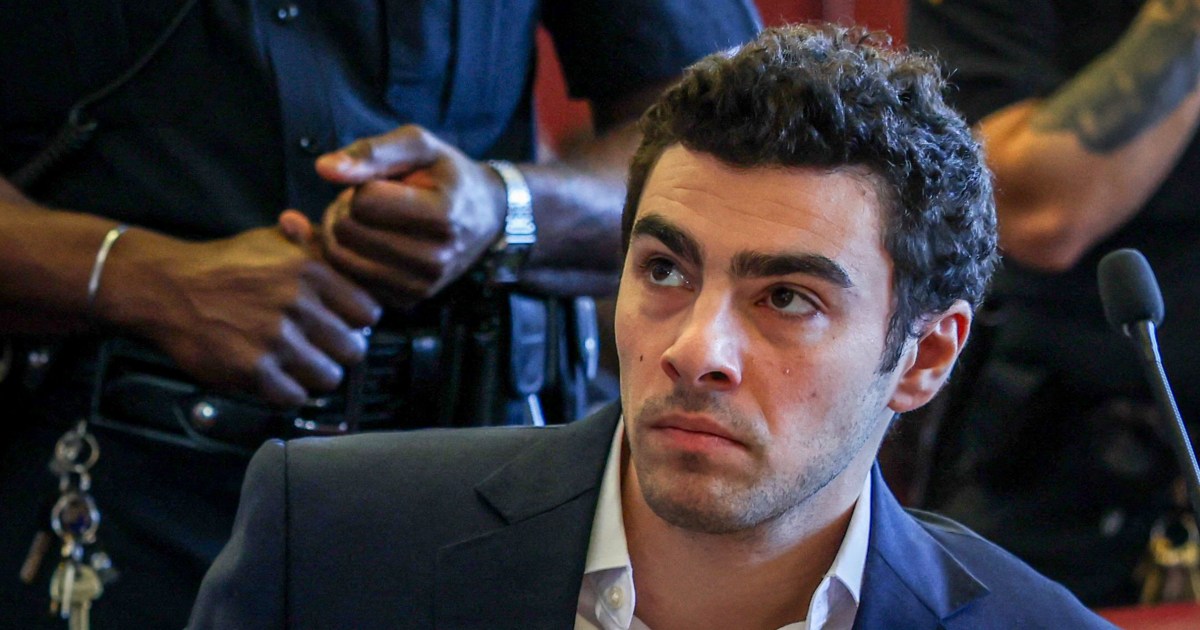
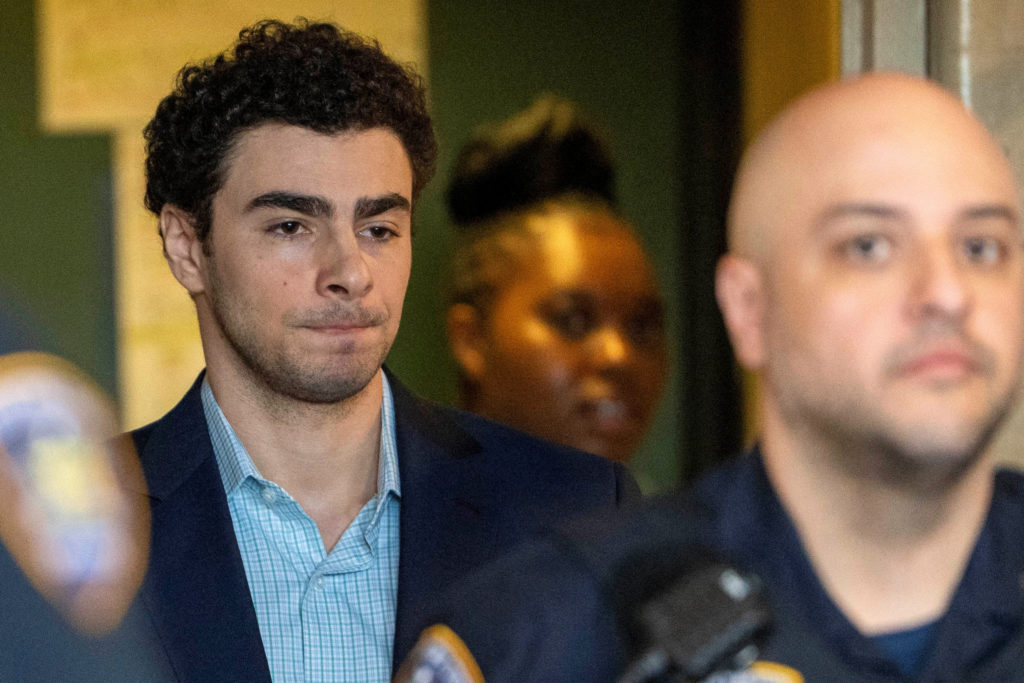
A New York state judge ruled Monday that prosecutors trying Luigi Mangione for the December 2024 killing of UnitedHealthcare CEO Brian Thompson can use as evidence the ghost gun and handwritten notebook recovered when Mangione was arrested at a Pennsylvania McDonald's, dealing a sweeping defeat to defense lawyers who had spent more than a year trying to keep both items out of trial. Manhattan Supreme Court Justice Gregory Carro issued the ruling from the bench, declaring that the Altoona police search was supported by probable cause and that Mangione's federal Fourth Amendment rights were not violated.
The decision clears the way for jurors to hear what prosecutors describe as a partial manifesto written by Mangione and to see the 3D-printed pistol that ballistics experts say matches shell casings recovered from West 54th Street in Midtown Manhattan, where Thompson was shot in the back before sunrise on December 4, 2024. The notebook, recovered along with a backpack containing the firearm and a cardboard suppressor, includes passages describing health-insurance executives as parasites and reflecting on the morality of targeted violence, according to court filings unsealed last summer.
Defense attorney Karen Friedman Agnifilo argued that Altoona officers searched the backpack before Mangione was placed under arrest and before any warrant was issued, and that statements made to police while he sat eating hash browns in the McDonald's should have triggered Miranda protections that were not provided. Justice Carro rejected each argument in turn, writing that Mangione had been in the public area of a restaurant when officers approached, that he voluntarily produced identification, and that the contents of the backpack were inventoried after his arrest pursuant to standard Pennsylvania procedure. Friedman Agnifilo declined to comment outside court.
Mangione, 27, faces a 16-count indictment in New York state that includes first-degree murder in furtherance of terrorism, second-degree murder, and weapons charges that together carry a maximum sentence of life in prison without parole. He also faces parallel federal charges that the Justice Department has said could carry the death penalty if the attorney general elects to seek it, and a separate firearms case in Pennsylvania. The state trial is scheduled to begin December 1 in Lower Manhattan, with jury selection to start the Monday after Thanksgiving.
The Mangione prosecution has become a closely watched test of how the criminal-justice system responds to politically motivated violence directed at corporate executives, an issue that has rattled boardrooms across the country since Thompson's killing. UnitedHealthcare and other major insurers spent more than $300 million on private security in 2025, according to S&P Capital IQ data, and at least a dozen Fortune 500 chief executives now travel with detail-level protection. Health-care policy advocates have warned that the case has drawn renewed attention to prior-authorization disputes, claim denials and the long backlog of complaints against UnitedHealthcare and its competitors that prosecutors say motivated Mangione to act.