Judge Blocks Trump Administration's NPR and PBS Defunding Order
Federal court intervention prevents immediate funding cuts, but public broadcasting stations already report significant operational damage from uncertainty.
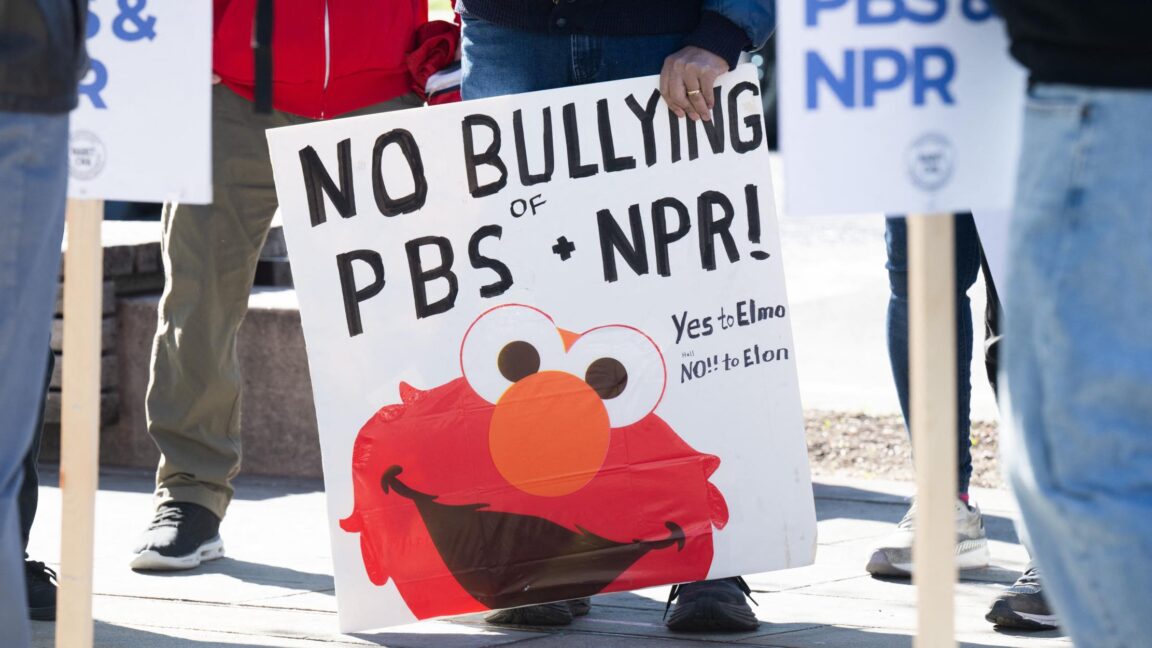
A federal judge has blocked the Trump administration's order to defund National Public Radio and PBS, preventing immediate cuts to public broadcasting while legal challenges proceed through the courts. The judicial intervention provides temporary relief for public media organizations, though officials at both networks report that significant damage has already occurred due to months of funding uncertainty and planning disruptions caused by the administration's defunding threats.
The court ruling comes after the Trump administration moved to eliminate federal funding for the Corporation for Public Broadcasting, which provides crucial support to NPR, PBS, and hundreds of local public radio and television stations across the country. The defunding order was part of broader administration efforts to reduce federal spending on what officials characterized as liberal-leaning media organizations. Public broadcasting advocates argued that such cuts would devastate local news coverage and educational programming in underserved communities.
Despite the judicial block, NPR and PBS officials report that the funding uncertainty has already created substantial operational challenges. Local stations have begun implementing hiring freezes, reducing programming, and scaling back community services in anticipation of potential funding cuts. The uncertainty has also complicated long-term planning and partnership agreements that depend on stable federal support through the Corporation for Public Broadcasting's grant programs.
The legal battle reflects broader tensions between the Trump administration and public media organizations, with officials arguing that taxpayer funding should not support broadcasters they view as politically biased. Public broadcasting defenders counter that NPR and PBS provide essential services including emergency communications, educational content, and local news coverage that commercial broadcasters often cannot economically justify providing, particularly in rural and underserved urban areas.
While the judge's order prevents immediate defunding, the underlying legal and political challenges to public broadcasting funding remain unresolved. The case is expected to proceed through higher courts, with the ultimate outcome potentially determining the future structure and financing of American public media. Meanwhile, public broadcasting organizations continue operating under the cloud of potential funding elimination, with station managers reporting ongoing difficulties in making long-term commitments to programming and staffing without guaranteed federal support.