Gecko Robotics Secures Record $71M Navy Deal for Fleet Inspection
Pittsburgh startup will deploy wall-crawling robots to create digital twins of 18 Pacific Fleet warships

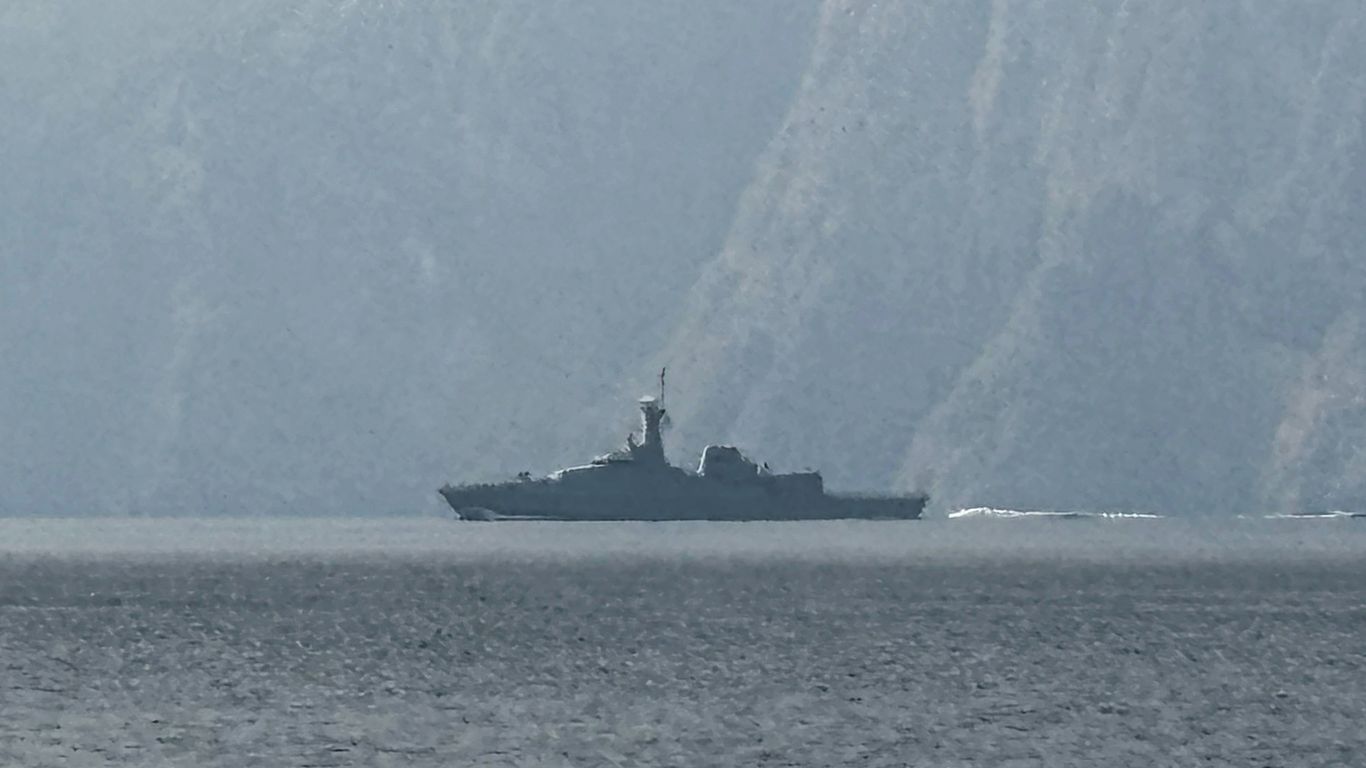
Gecko Robotics has won the largest robotics contract in U.S. Navy history, a five-year deal worth up to $71 million to deploy inspection robots across the service's Pacific Fleet. The agreement, announced Tuesday, marks a significant bet by the Navy on autonomous systems to tackle a deepening ship maintenance crisis.
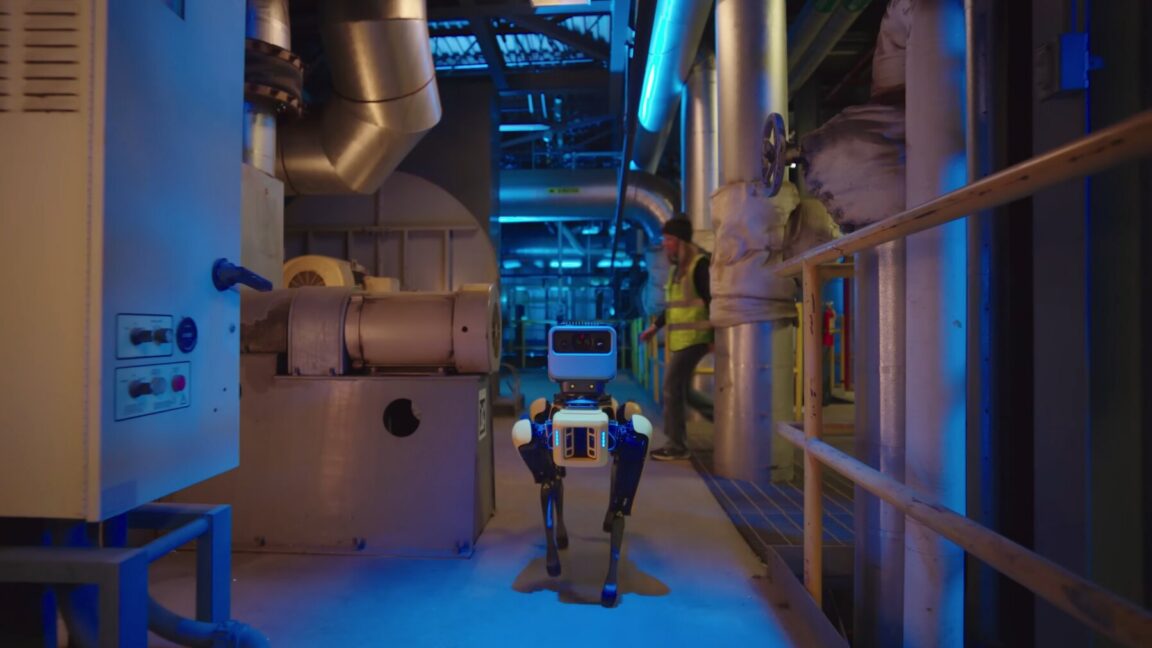
The indefinite delivery, indefinite quantity (IDIQ) contract, signed jointly with the Navy and the U.S. General Services Administration, begins with an initial $54 million award and carries a $71 million ceiling. Under the terms, the Pittsburgh-based company will send its sensor-equipped robots crawling through the hulls, tanks, and confined spaces of 18 Pacific Fleet vessels, generating comprehensive digital replicas — known as digital twins — of each ship's structural condition.
The deal addresses a stark operational shortfall. Roughly 40 percent of the Navy's fleet is unavailable at any given time due to prolonged maintenance cycles, a figure the service aims to cut dramatically as it pursues a goal of 80 percent ship readiness by 2027. Annual maintenance spending runs between $13 billion and $20 billion, according to Gecko CEO and founder Jake Loosararian, who said the company's software platform can recommend preemptive repairs and compress decision-making timelines. "At a time when you need every asset you can get, that's pretty critical," Loosararian told TechCrunch. "And these assets aren't getting any younger either."
The contract is the culmination of a four-year relationship that began when a Navy port engineer stationed in Japan contacted Gecko to explore its capabilities. After an initial evaluation and a preventative maintenance plan impressed Navy leadership, the partnership steadily expanded. Loosararian said his long-term vision is to eliminate traditional maintenance cycles entirely — keeping ships operational by continuously monitoring and repairing them while deployed, a model he sees applying equally to military vessels and civilian infrastructure like power plants.
Gecko's win reflects a broader trend of the U.S. military turning to commercial robotics startups to modernize aging infrastructure and reduce reliance on manual inspection processes. With geopolitical tensions elevating the strategic importance of naval readiness, particularly in the Pacific theater, the contract positions Gecko as a central player in the Pentagon's push to keep its fleet mission-capable without building new ships fast enough to close the gap.