Fishing Technology Revolution Promises to Slash Turtle and Marine Bycatch
Innovative gear modifications and detection systems could dramatically reduce accidental capture of endangered species while maintaining fishing productivity.
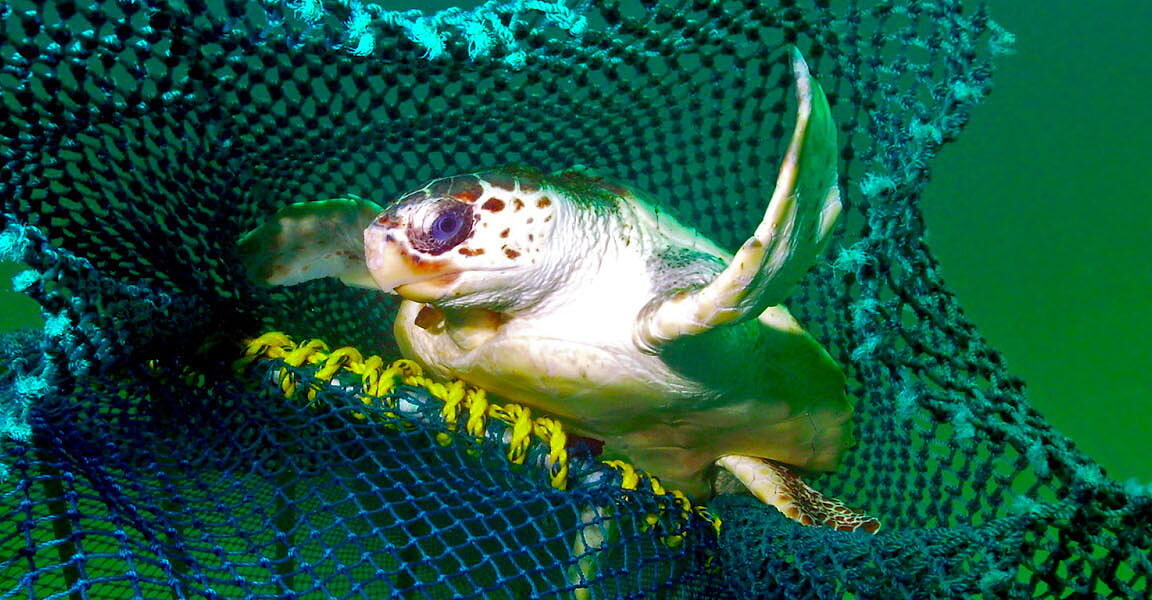
Commercial fishing operations are implementing breakthrough technologies designed to dramatically reduce bycatch—the unintended capture of sea turtles, dolphins, sharks, and other marine creatures that are not the target of fishing efforts. These innovative solutions represent a significant advancement in sustainable fishing practices, addressing one of the most persistent environmental challenges facing the global fishing industry. The new technologies promise to maintain commercial fishing productivity while substantially reducing harm to endangered and protected marine species.
Bycatch has long been recognized as one of the most serious threats to marine biodiversity, with millions of sea turtles, marine mammals, seabirds, and non-target fish species accidentally captured and often killed in fishing gear each year. Traditional fishing methods, particularly those involving large nets and longlines, have historically shown limited ability to distinguish between target species and other marine life. This indiscriminate capture has contributed to population declines among numerous endangered species and disrupted marine ecosystem balance across the world's oceans.
The latest technological innovations focus on selective fishing gear that uses advanced materials, sensor systems, and modified designs to allow non-target species to escape while retaining commercially valuable catch. These solutions include turtle-excluder devices with improved escape mechanisms, modified hook designs that reduce seabird and marine mammal interactions, and net modifications that create escape routes for juvenile fish and protected species. Some systems incorporate acoustic deterrents or LED lighting that alerts marine mammals and other creatures to avoid fishing areas.
Researchers and fishing industry partners have been testing these technologies in real-world conditions across different fishing environments and target species. Early results indicate significant reductions in bycatch rates without corresponding decreases in commercial catch efficiency. The most successful implementations have combined multiple approaches, using both physical modifications to fishing gear and operational changes in fishing practices to maximize selectivity for target species while minimizing interactions with protected wildlife.
The adoption of these bycatch reduction technologies is being driven by a combination of environmental regulations, consumer demand for sustainable seafood, and industry recognition that protecting marine ecosystems is essential for long-term fishing sustainability. International fisheries management organizations are beginning to require or incentivize the use of proven bycatch reduction devices, while seafood certification programs are increasingly including bycatch minimization as a criterion for sustainable fishing practices. The successful implementation of these technologies could represent a major step forward in reconciling commercial fishing needs with marine conservation goals.