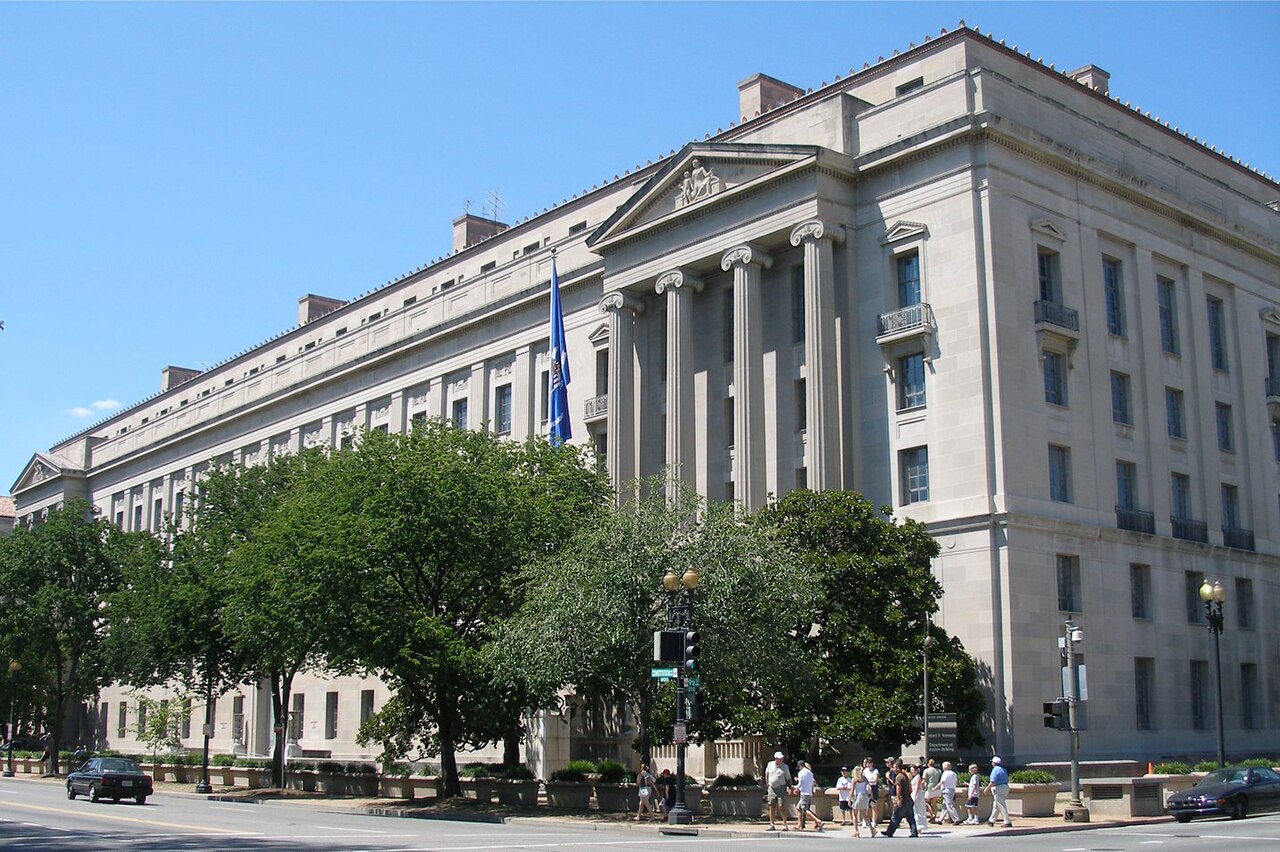
DOJ Sets Up $1.776 Billion 'Anti-Weaponization Fund' for Trump Allies as President Drops $10 Billion IRS Lawsuit
The settlement, announced Monday, creates a presidentially appointed commission with sole authority to pay claimants who say they were targeted under the Biden administration — and critics call it an unconstitutional 'slush fund.'
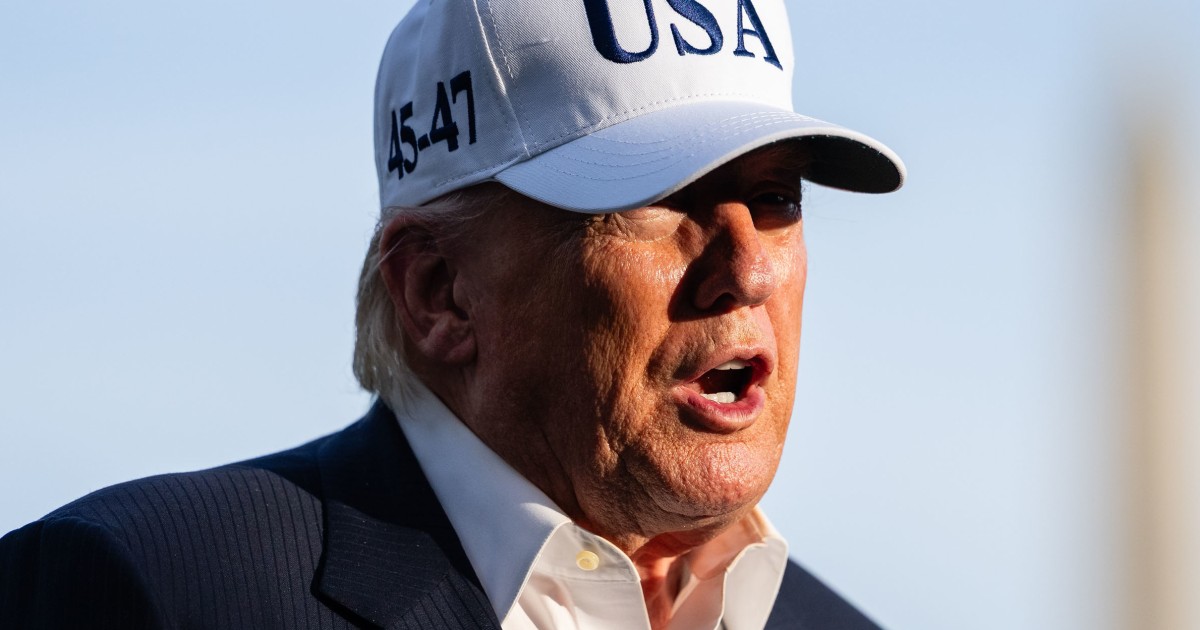
The Justice Department on Monday announced a $1.776 billion "Anti-Weaponization Fund" to compensate Americans who say they were wrongly targeted under the Biden administration, in exchange for President Donald Trump dropping a $10 billion lawsuit he had filed against the Internal Revenue Service over the leak of his tax records. The settlement, filed in federal court in Washington and outlined in a Justice Department news release, also resolves two separate Trump civil claims totaling $230 million tied to the Russia collusion investigation and the 2022 FBI search of Mar-a-Lago.
Under the terms, a newly created commission inside the Department of Justice will have sole discretion to distribute the money to claimants who allege their constitutional rights were violated by federal investigations, prosecutions or surveillance during the prior administration. The fund will be drawn from existing departmental appropriations and authorized to operate through December 15, 2028; any unspent balance will be returned to the Treasury. Trump himself will not be eligible to receive any payments, the filing said, and the dollar figure was deliberately set at $1.776 billion as a reference to the year of American independence.
The announcement landed amid a firestorm on Capitol Hill. Senate Judiciary Chair Chuck Grassley, R-Iowa, defended the fund as "long-overdue recognition that the weaponization of federal law enforcement against political opponents has real victims." Senate Judiciary Democrats, in a joint statement signed by ranking member Dick Durbin and four other senators, called it "a slush fund for the president's friends, paid for with taxpayer dollars and immune from independent oversight." Two Republican senators, Susan Collins of Maine and Lisa Murkowski of Alaska, said they wanted hearings before any disbursements begin, telling reporters they had concerns about "both the structure and the optics."
The deal closes one of the most aggressive financial demands ever made by a sitting president against his own government. Trump filed the $10 billion suit in 2024 after a former IRS contractor pleaded guilty to leaking the returns of thousands of wealthy Americans, including the president, to news organizations. Justice Department attorneys had previously argued in court that the suit was untenable because IRS employees were acting within the scope of their employment. A federal judge in April ordered the department to clarify its position by the end of May, a deadline that government lawyers acknowledged had accelerated settlement talks.
Legal scholars said Monday's filing raises immediate constitutional questions. Steve Vladeck, a national security law professor at Georgetown, told reporters that paying out federal money to politically aligned claimants without congressional appropriation "flirts with both the Appropriations Clause and the basic rule that the executive cannot reward private parties out of the Treasury at will." The settlement specifies that the commission's decisions are not subject to judicial review, a provision that several former federal prosecutors said is almost certain to be litigated. The first claims are expected to be accepted in July, with payouts beginning before the November midterm elections, according to a Justice Department official familiar with the timeline.