Global Executions Hit 44-Year High at 2,707 as Iran and Saudi Arabia Drive 78% Jump, Amnesty International Reports
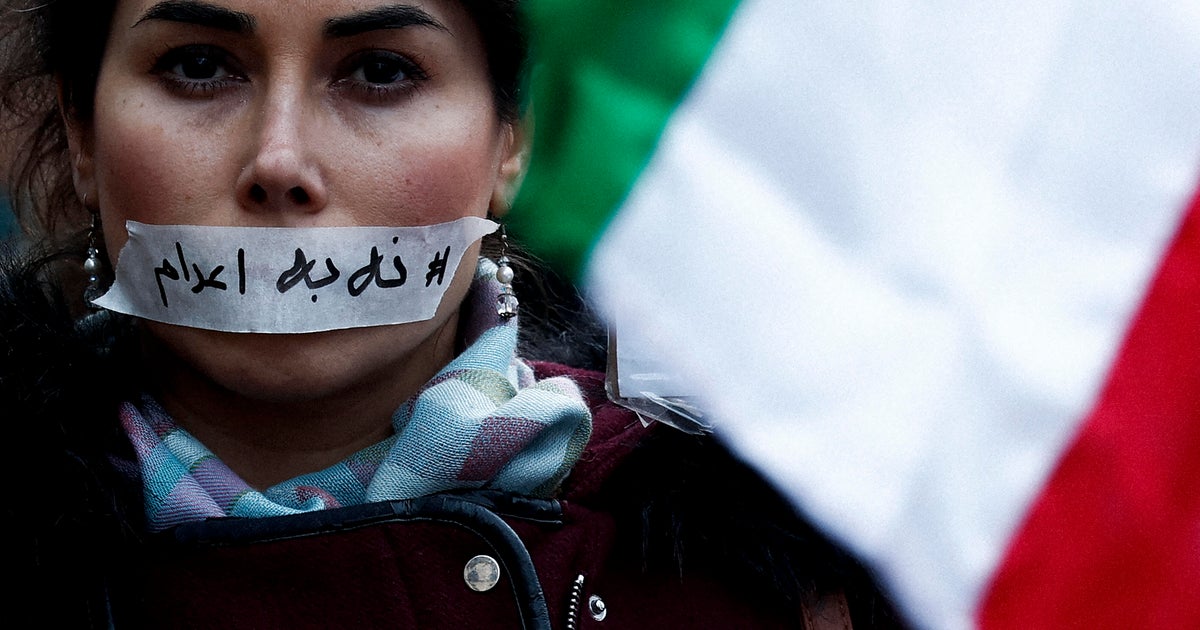
Iran alone executed at least 2,159 people in 2025 — more than double 2024 — with nearly half of all known killings worldwide carried out for nonviolent drug offenses.
The world recorded 2,707 state-sanctioned executions in 2025, a 78% jump from a year earlier and the highest annual figure Amnesty International has tracked in 44 years, the human rights group said in its annual global death penalty report released over the weekend.
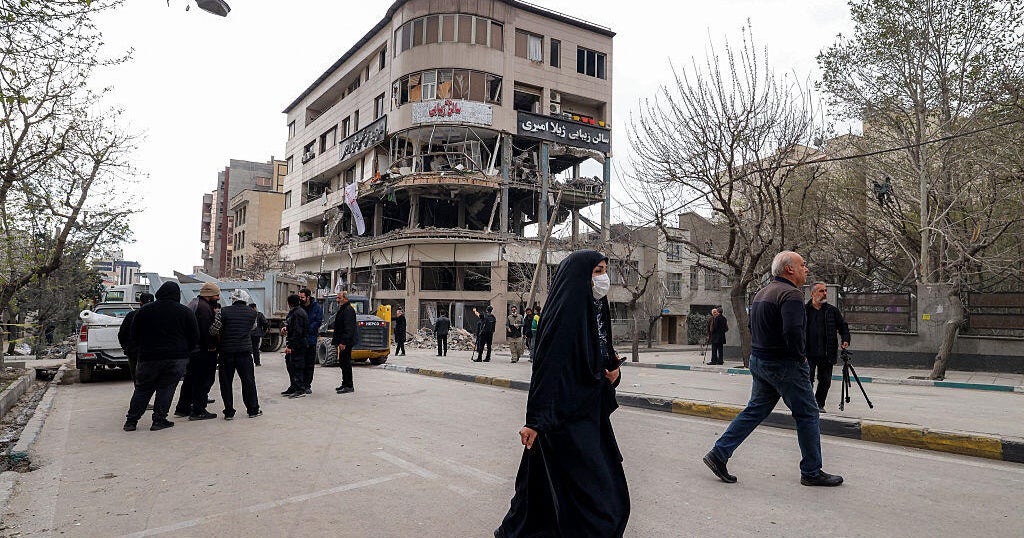
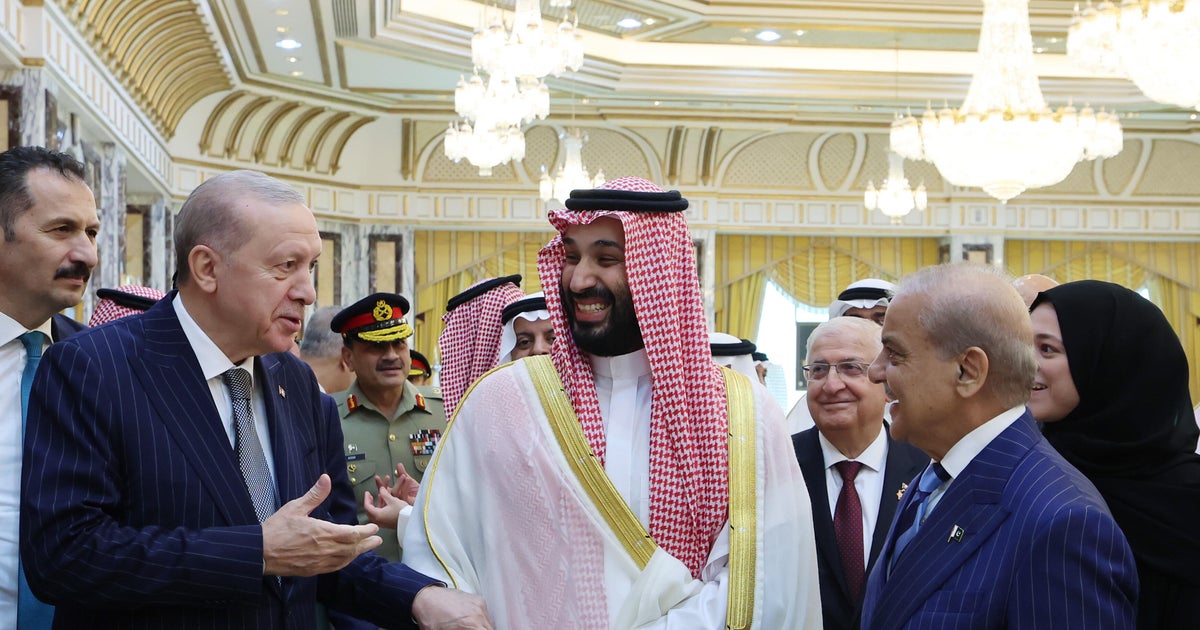
The surge was driven almost entirely by two countries. Iran carried out at least 2,159 executions — more than double the 972 reported in 2024 and the highest single-year total inside the Islamic Republic since 1981 — while Saudi Arabia executed at least 356 people, smashing the kingdom's own modern record. Together the two governments accounted for roughly 93% of the world's known judicial killings. Amnesty noted that its figures do not include China, where it believes thousands of executions are carried out each year behind a state-secrecy wall that prevents reliable counting, nor does it cover Vietnam and North Korea, which similarly bar verification.
Close to half of all known executions — 1,257 of the 2,707 — were imposed for drug-related offenses, a category that under international law falls well below the threshold of "most serious crimes" to which capital punishment is supposed to be restricted. "Governments are abusing the death penalty by using it to punish offenses that should never carry it, especially drug crimes that disproportionately ensnare the poorest and most marginalized," Agnès Callamard, Amnesty International's secretary-general, said in the report. Iran alone executed an estimated 615 people for drug-related convictions, often after trials that lasted only minutes and without access to defense counsel.
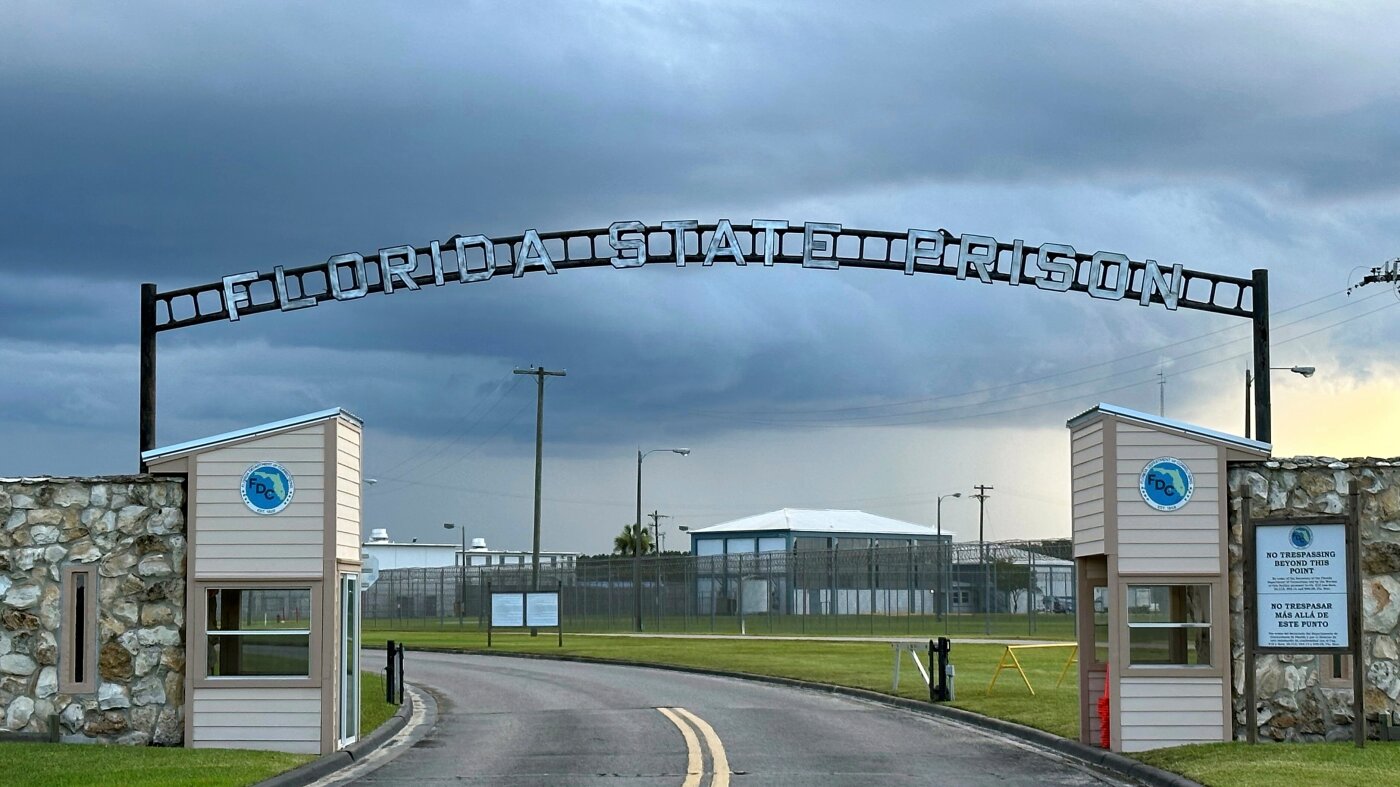
The overall count of executing countries — 17 — remained near the historical low recorded since 2018, underscoring a paradox the report's authors describe at length: while the geography of the death penalty is shrinking, the volume practiced by the small number of remaining retentionist states has exploded. The United States carried out 25 executions in 2025, nearly double the previous year and the highest American total since 2015. South Carolina, Idaho, Florida and Texas accounted for the bulk of the U.S. caseload, with several states reintroducing firing squads or nitrogen hypoxia as primary or back-up methods.
Amnesty also flagged what it called troubling signs in democracies that have long opposed capital punishment. Japan resumed executions for the first time in three years, hanging two men convicted of separate murders in February; Taiwan executed one prisoner in April after a six-year pause; and the Maldives parliament advanced legislation that would reinstate the death penalty for the first time since the 1950s. "This is not just an Iran or Saudi Arabia story," said Chiara Sangiorgio, Amnesty's death penalty adviser. "What we are watching is a global political climate in which leaders increasingly reach for the gallows as proof of resolve."
The report did spotlight a handful of advances. Gambia abolished the death penalty for murder and several other crimes, completing a decade-long push by domestic civil-society groups. Vietnam removed capital punishment for drug transportation and seven other offenses, a development Amnesty described as "significant if narrow." And in Alabama, Republican Gov. Kay Ivey commuted the sentence of Robin Myers, the first clemency granted to a Black death row prisoner in the state since capital punishment was reinstated in 1976. Human rights advocates say those bright spots, while welcome, are dwarfed by the scale of the 2025 surge — and warn that 2026 is on pace to be worse.