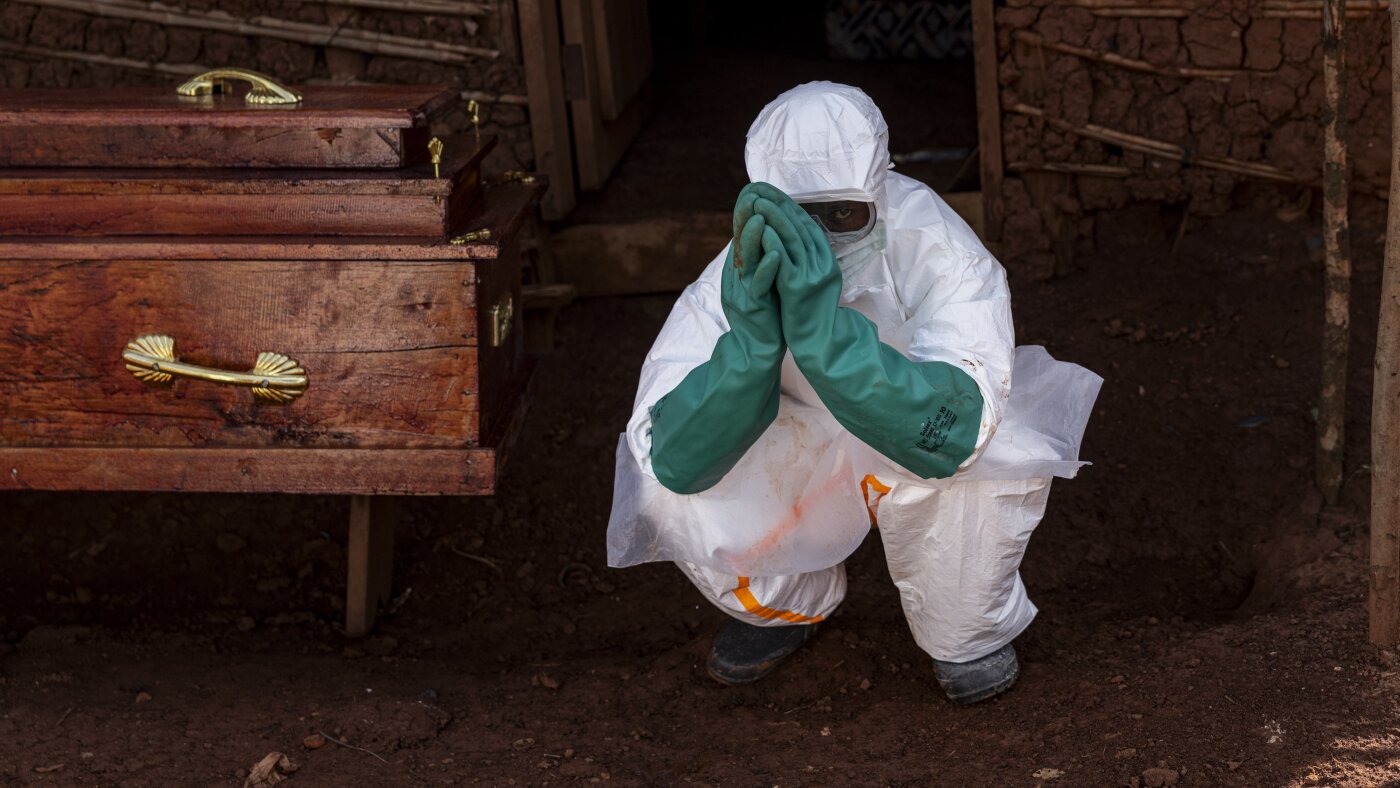
American Burn Surgeon Dr. Peter Stafford Tests Positive for Ebola Bundibugyo in Eastern Congo as US Activates Enhanced Airport Screening and Outbreak Climbs to 88 Dead
The CDC said Stafford and five other high-risk American contacts have been evacuated to Germany, with a sixth in the Czech Republic, after the WHO declared the outbreak a public health emergency of international concern.
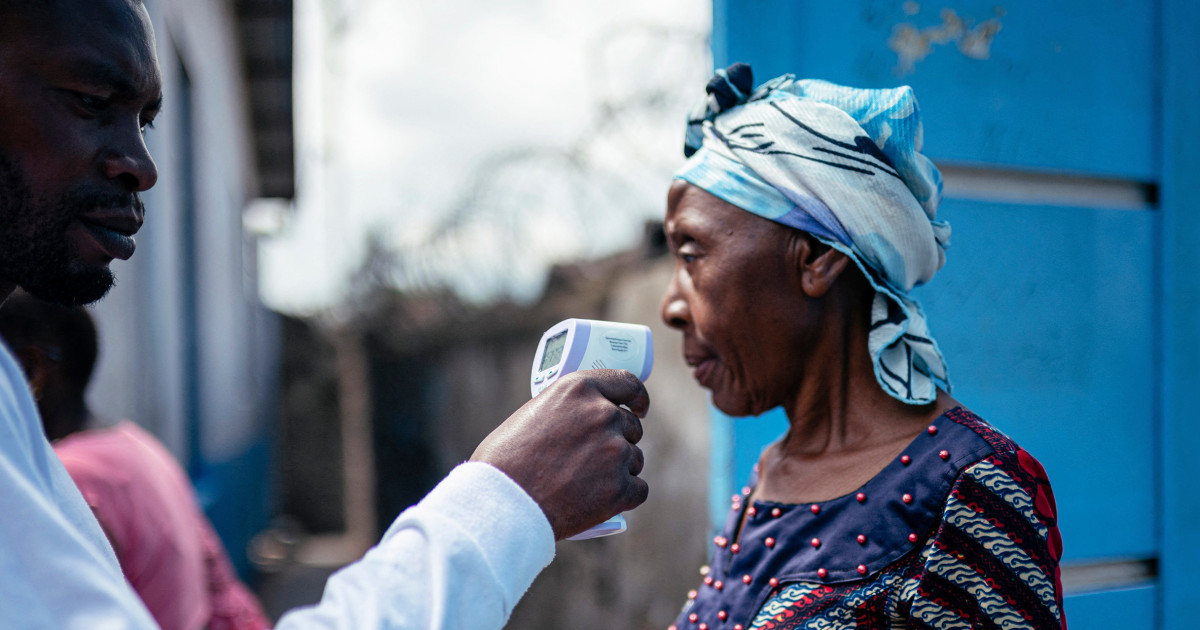
An American physician treating patients in the Democratic Republic of the Congo has tested positive for Ebola Bundibugyo, the first US citizen confirmed infected in an outbreak the World Health Organization on Sunday declared a public health emergency of international concern, the Centers for Disease Control and Prevention said in a Tuesday briefing.
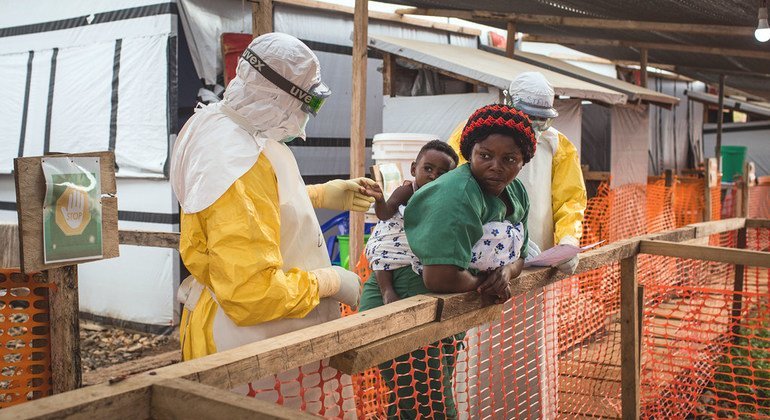
Dr. Peter Stafford, a general surgeon who specializes in burn care, contracted the virus while caring for patients in Bunia, the provincial capital of Ituri in northeastern DRC. The CDC said the symptomatic patient was being transferred to Germany for treatment along with five other Americans designated as high-risk contacts. A sixth high-risk contact was sent for care in the Czech Republic, the agency said. Stafford developed symptoms on May 14, was isolated by colleagues and tested positive on May 17.
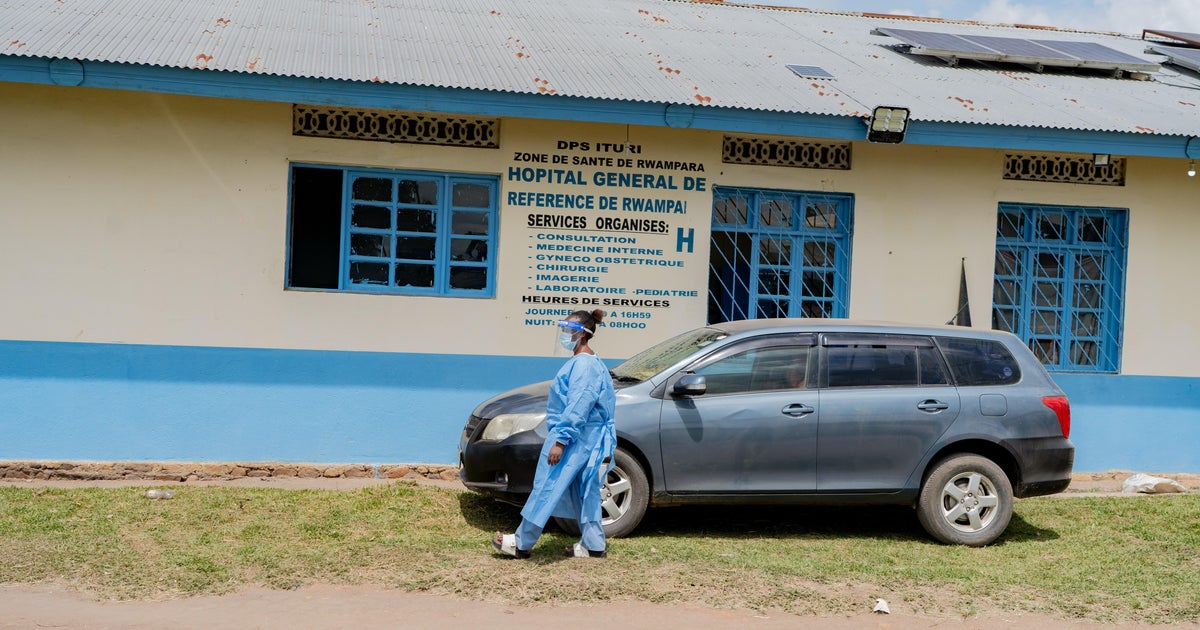
The outbreak, which the DRC Ministry of Health confirmed on May 15, has produced 10 laboratory-confirmed cases, 336 suspected cases and 88 deaths across nine health zones in Ituri Province as of the latest CDC tally, with the Mongbwalu and Rwampara health zones reporting the heaviest burden. Two additional confirmed cases and one death have been reported across the border in Uganda, in patients linked to the DRC chain of transmission. The Bundibugyo virus, one of four Ebola species known to cause disease in humans, has historically carried a case fatality rate between 25 and 50 percent. There is no FDA-approved vaccine or therapeutic for Bundibugyo infection, and only two previous outbreaks of this species have been recorded — one in Uganda in 2007 and one in DRC in 2015.
The CDC and the Department of Homeland Security on Monday activated enhanced entry screening for travelers arriving from DRC and Uganda, funneling them through designated US airports for temperature checks, symptom questionnaires and contact-tracing intake before allowing onward travel. Travelers with potential exposures will be assigned 21 days of public-health monitoring by state and local health departments, the standard incubation period for the virus. The CDC, which is operating under acting director Dr. Jay Bhattacharya, has activated its Emergency Operations Center and is supporting surveillance, laboratory testing and infection prevention through its country offices in Kinshasa and Kampala. 'The risk to the American public and travelers in the United States remains low,' the agency said in a statement, while warning that the rapid pace of transmission and the proximity of the outbreak to a regional transport hub at Bunia airport warrant the heightened US posture.
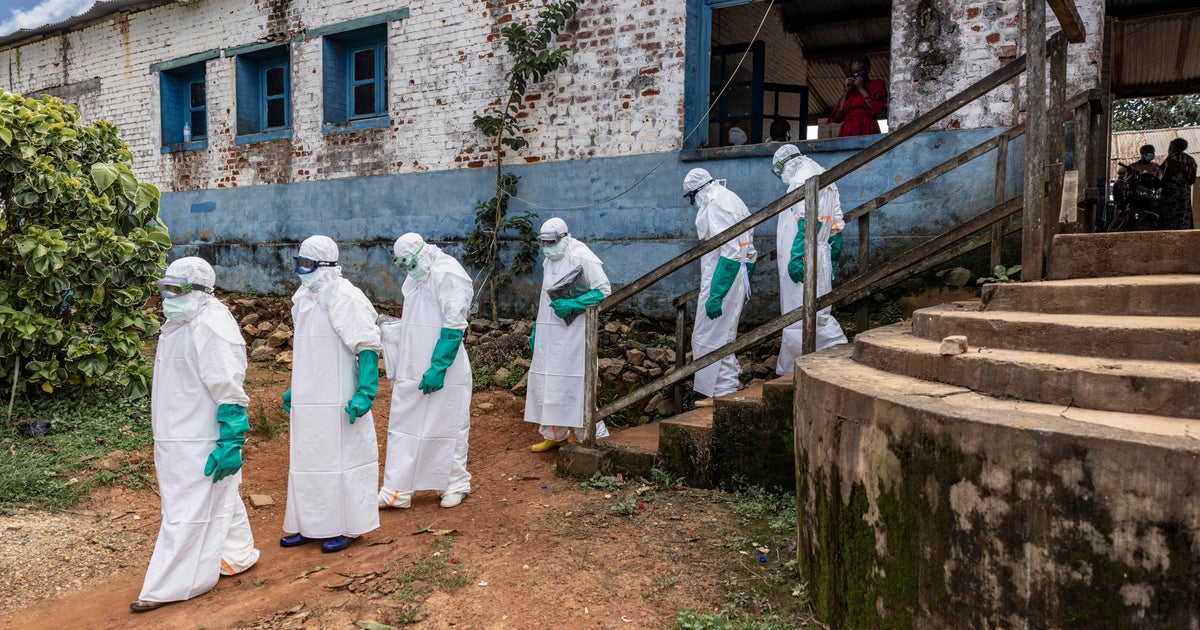
Ituri Province has long been one of the most volatile corners of eastern Congo, with armed groups including the Allied Democratic Forces and CODECO repeatedly attacking aid convoys and clinics. Health workers from Médecins Sans Frontières and the WHO have established two treatment centers in Bunia and deployed contact tracers across the Mongbwalu mining district, where the outbreak appears to have begun. Because the rVSV-ZEBOV vaccine that proved transformative against the Zaire ebolavirus species during the 2018-2020 North Kivu outbreak targets a different Ebola species, it is not expected to provide reliable protection against Bundibugyo virus, leaving traditional public-health containment — isolation, ring contact tracing and supportive care — as the front line of the response.