Tokyo Physicists Build an Explainable-AI Model That Finally Pinpoints Where Electric Motors Waste 30% of Their Energy
Masato Kotsugi's eX-GL framework uses persistent homology and physics-constrained machine learning to map four hidden energy barriers inside soft magnetic motor cores.
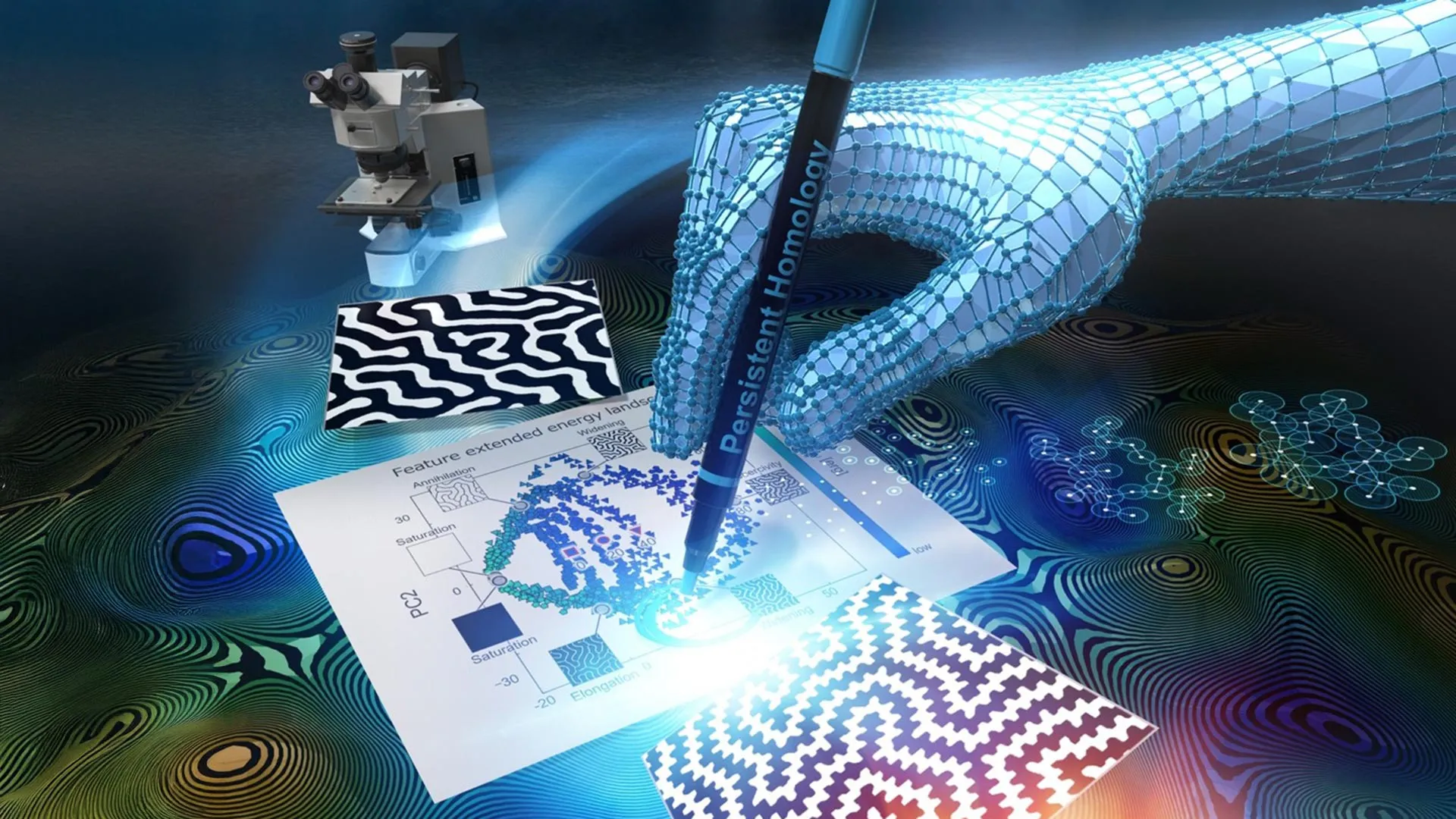
Japanese researchers have built an artificial-intelligence model that can finally explain why so much energy disappears inside electric motors, attacking one of the most stubborn inefficiency problems in the transition to electric vehicles and renewable power. The team, led by Professor Masato Kotsugi and Dr. Ken Masuzawa of the Tokyo University of Science, published its findings on Sunday in the Nature-affiliated journal Scientific Reports and said the framework could be transferred to battery chemistry, semiconductor design and a wide range of other physical systems whose behavior is governed by complex energy landscapes.
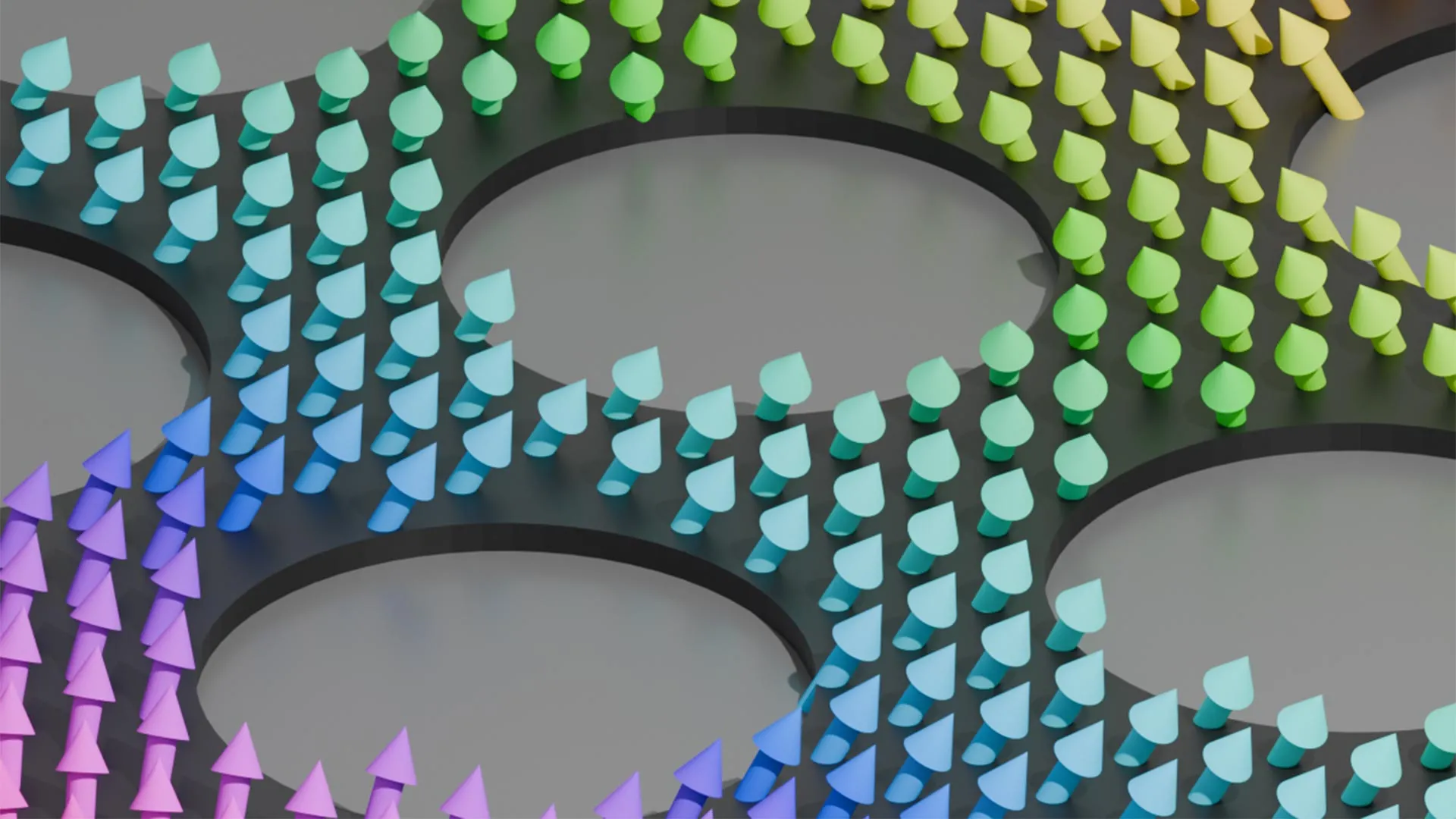
Magnetic hysteresis loss — the energy that vanishes as heat each time the magnetic domains inside a motor's iron core reverse direction during operation — accounts for roughly 30 percent of the total energy lost in a typical electric motor, according to industry estimates. Engineers have understood the rough phenomenon for more than a century but have struggled to explain or predict the precise microscopic dynamics that cause one design to bleed energy faster than another. Conventional micromagnetic simulations describe the average behavior of magnetic domains, but they miss the topologically intricate patterns that emerge in soft magnetic materials at high operating temperatures.
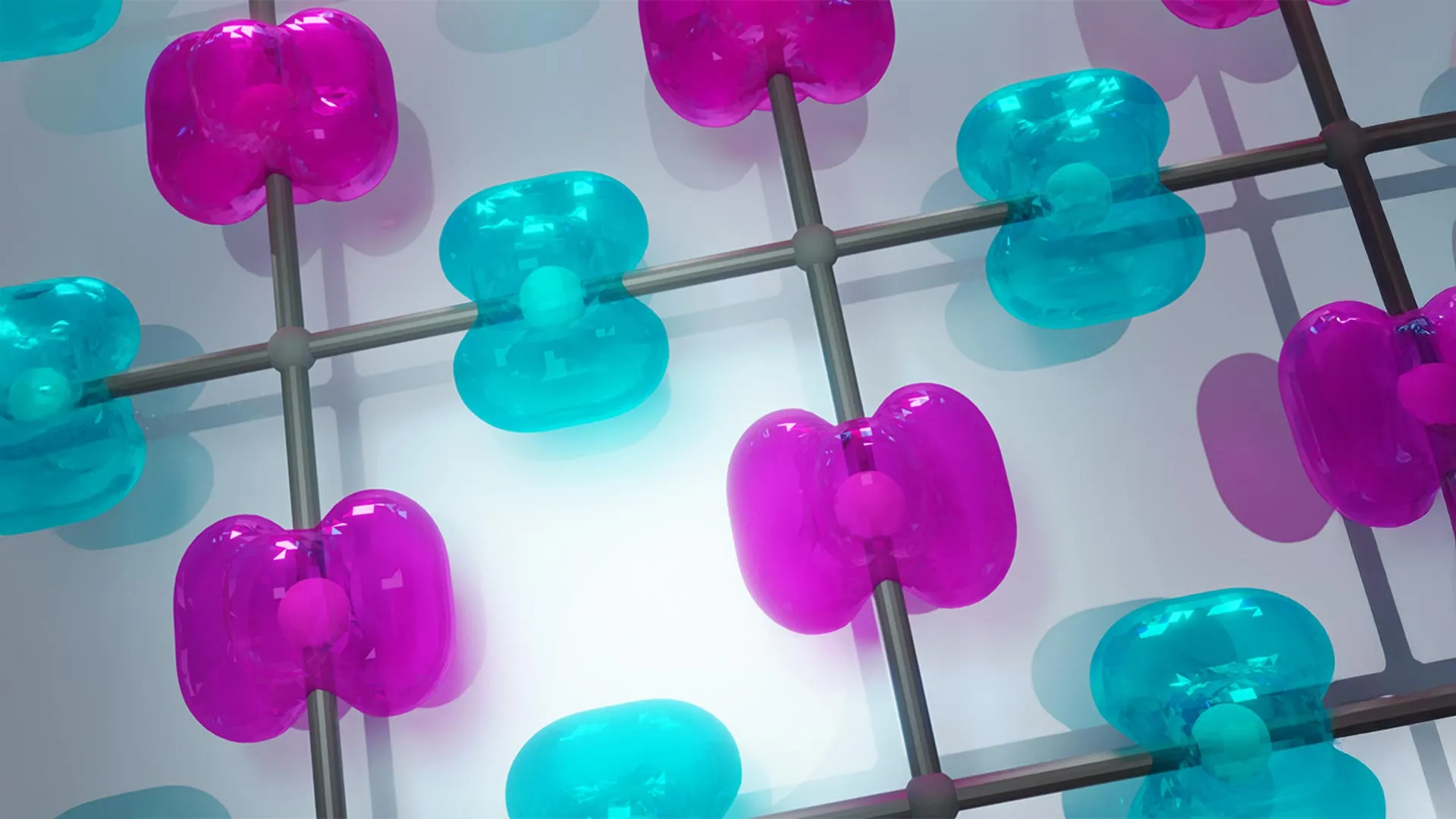
Kotsugi's framework, called the entropy-feature-eXtended Ginzburg-Landau (eX-GL) model, addresses that gap by combining physics-based theory with a class of machine-learning algorithms known as explainable AI. Using a mathematical technique called persistent homology — drawn from algebraic topology — the model maps the labyrinthine "maze domains" inside a magnetic material onto a low-dimensional feature space, then learns the free-energy landscape that controls how those domains move. Crucially, because the model is constrained by the underlying physics rather than treated as a black box, its predictions can be inspected and explained, an advantage over neural-network approaches that simply correlate inputs with outputs.
Applying eX-GL to images of magnetic domains in rare-earth iron garnet samples, the team identified four major energy barriers governing magnetization reversal — entities not previously isolated by any other technique. Co-authors at the University of Tsukuba, Okayama University and Kyoto University verified the predictions with separate experimental measurements of magnetic switching at temperatures from 250 to 400 kelvin, finding agreement well within experimental uncertainty. Kotsugi said the model could be used to screen new motor-core materials computationally before committing to expensive metallurgical prototyping.
The broader stakes are substantial. Electric motors consume roughly 45 percent of the world's electricity, according to the International Energy Agency, and even single-percentage-point efficiency improvements would translate into tens of billions of dollars per year in saved energy and hundreds of millions of tons of avoided carbon emissions. The work also adds to a broader push in materials science to combine physics with explainable AI rather than treat machine learning as a substitute for theory. The paper, titled "Explainable AI Identifies the Origin of Complex Magnetization Reversal in Soft Magnets," appears in Scientific Reports volume 16, with DOI 10.1038/s41598-026-39617-x, and was funded by Japan's Ministry of Education, Culture, Sports, Science and Technology and the New Energy and Industrial Technology Development Organization.