Acting AG Todd Blanche Grilled by Senate Over $1.776 Billion Anti-Weaponization Fund, Refuses to Rule Out Payouts for January 6 Rioters
Acting Attorney General Todd Blanche defended the new Justice Department fund — created without congressional approval as part of Trump's $10 billion IRS lawsuit settlement — in his first appearance before Congress, declining to say whether convicted Capitol attackers could collect.

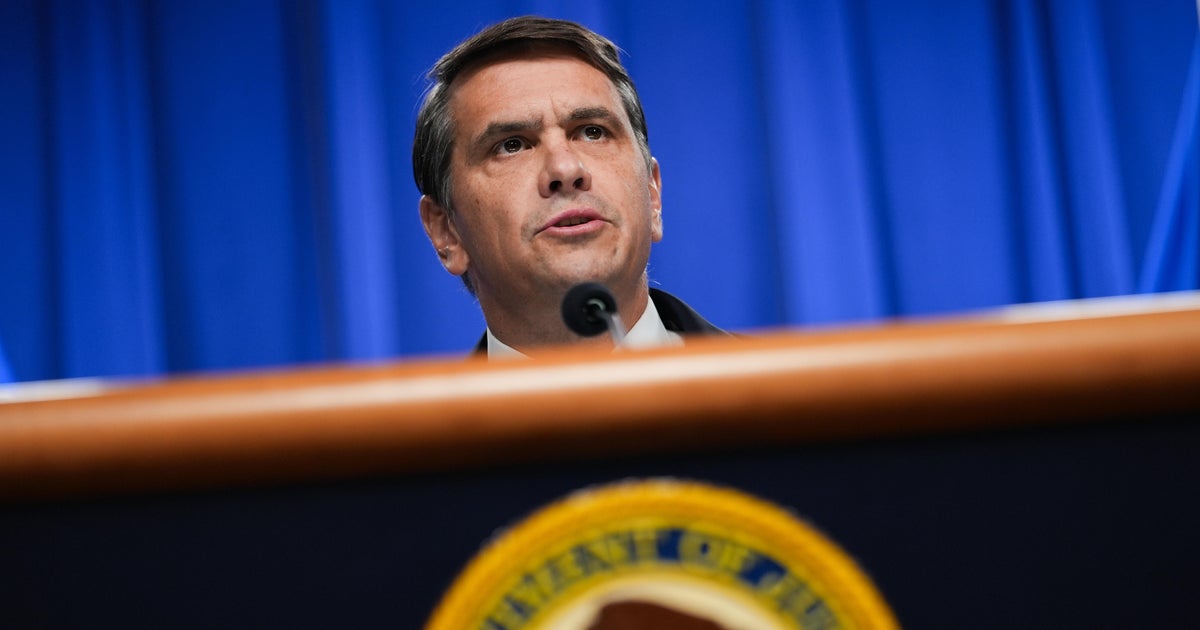
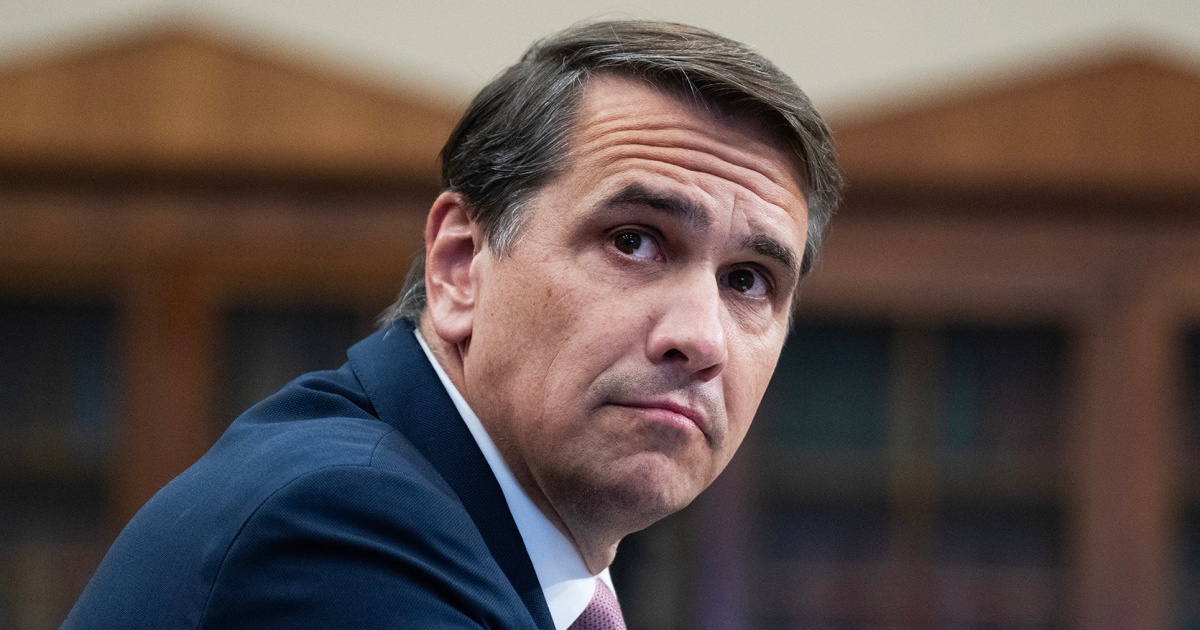
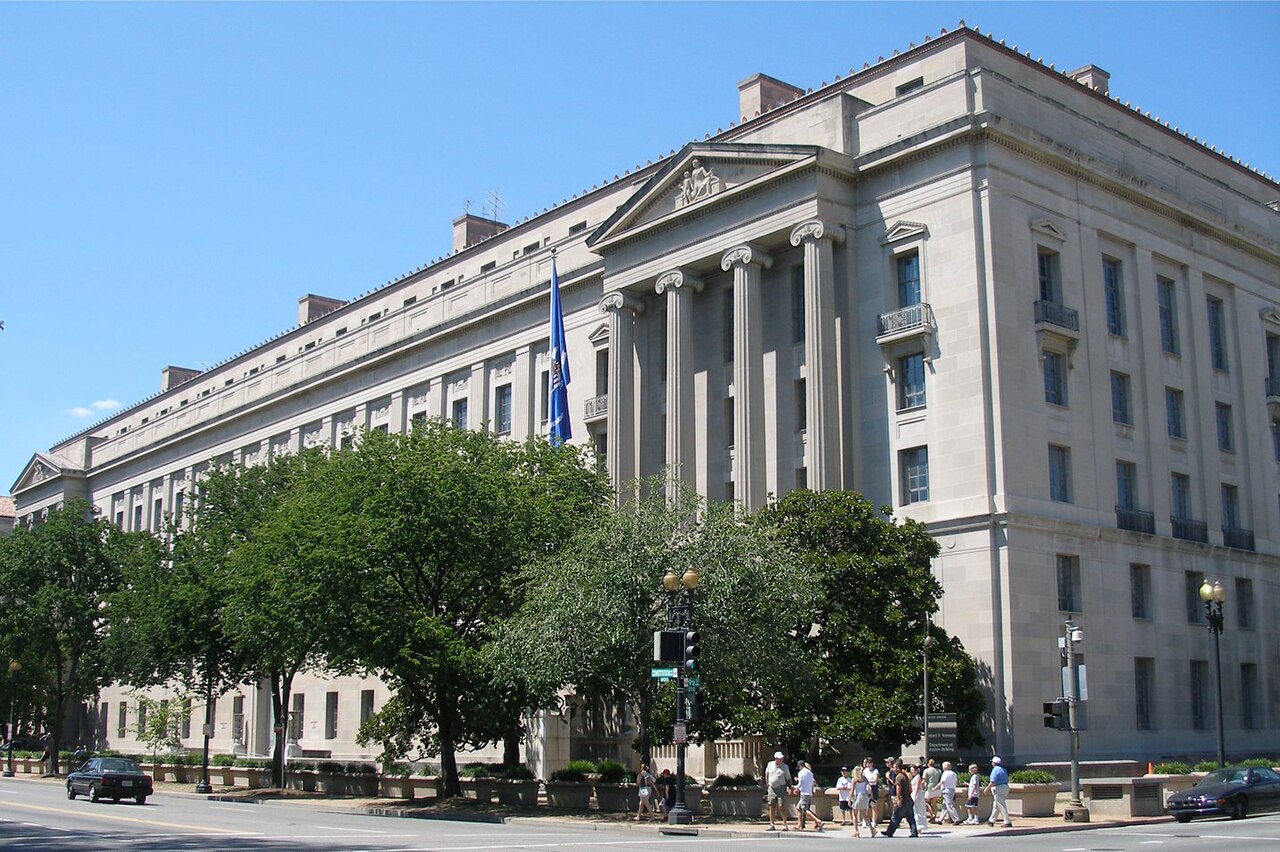
Acting Attorney General Todd Blanche faced a withering five-hour grilling before a Senate Appropriations subcommittee on Tuesday, where lawmakers from both parties pressed him to defend the Justice Department's newly created $1.776 billion "Anti-Weaponization Fund" and to explain whether convicted January 6 rioters could collect taxpayer money under its rules. The fund, announced Monday as part of a settlement of President Trump's $10 billion lawsuit against the Internal Revenue Service, was created without any congressional appropriation and drawn directly from the federal Judgment Fund, a permanent Treasury account normally used to pay legal claims against the United States.
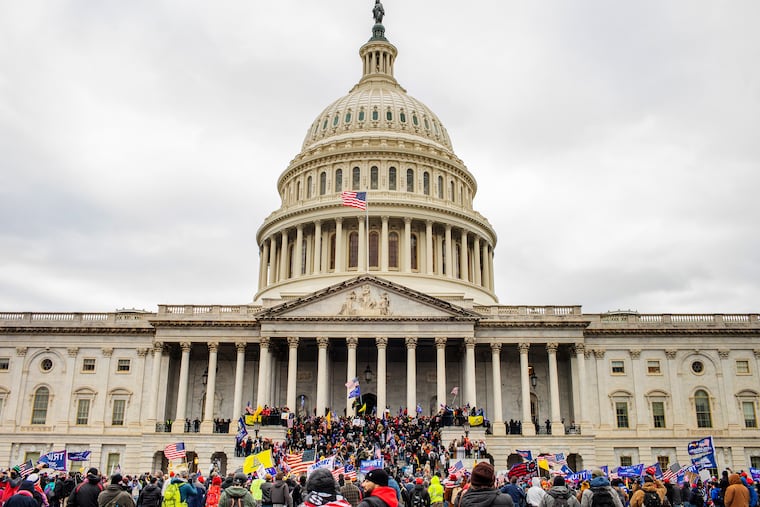
Blanche, a longtime personal attorney to President Trump before joining the Justice Department, told senators the fund "is not limited to the president's allies" and described its purpose as redressing "weaponization and lawfare" carried out under the Biden administration. Pressed by Sen. Chris Van Hollen (D-Md.) on whether people convicted of violence during the January 6, 2021 attack on the U.S. Capitol could be eligible, Blanche declined to rule it out, saying only that a five-member commission appointed by the attorney general would evaluate each claim. Four of the five commissioners are selected by the attorney general; the fifth is chosen in consultation with congressional leadership.
Under the settlement filed in U.S. District Court in Washington on Monday, Trump agreed to drop his $10 billion claim against the IRS over the 2019 leak of his tax returns and to abandon two separate civil suits — a $230 million claim related to the Crossfire Hurricane investigation and a parallel claim tied to the 2022 FBI search of Mar-a-Lago. Per the agreement, Trump himself receives no money from the fund, only a written apology from the Justice Department. The dropped suits had been seen as a long-shot recovery for the president; legal scholars said the trade was effectively a way to convert his contested claims into a discretionary pool available to other Trump-aligned plaintiffs.
The hearing surfaced sharp questions about other DOJ matters. Sen. Patty Murray (D-Wash.), the ranking member on Appropriations, asked Blanche about the status of the unreleased Epstein files and about a Trump executive order, signed in March, that directs the department to investigate election officials who accept mail-in ballots without strict identification. Blanche confirmed the department is "working to implement" the order, which civil-rights groups say conflicts with multiple federal voting statutes. He also defended a 13 percent year-over-year budget request for DOJ — $40.8 billion in fiscal 2027 — that funds expanded immigration prosecution and a new Office of Strategic Litigation.
Democratic lawmakers said they would explore legal challenges to the fund as soon as this week. House Judiciary ranking member Jamie Raskin called the arrangement "a self-dealing slush fund disguised as a settlement," while Senate Majority Whip John Barrasso said the program was "long overdue accountability for political prosecutions." The fund is expected to begin accepting claims in July, with the commission targeting initial payouts by year's end.