A Judge Ordered the Administration to Name Who Designed the $1.8 Billion 'Anti-Weaponization' Fund
The attorney general says the fund is dead. But the document rescinding it was never signed by the people who created it — and a magistrate judge in Virginia just opened discovery into how it was built.
A federal magistrate judge has ordered the Trump administration to identify the people who designed the structure of a nearly $1.8 billion fund set up to pay Americans who say they were victims of government "weaponization and lawfare."
U.S. Magistrate Judge Ivan D. Davis of the Eastern District of Virginia issued the order on Friday, September 4, granting part of a discovery motion brought by plaintiffs challenging the fund. The order does not decide whether the fund is legal. It decides something narrower and, for the plaintiffs, more immediately useful: the government has to say who built it.
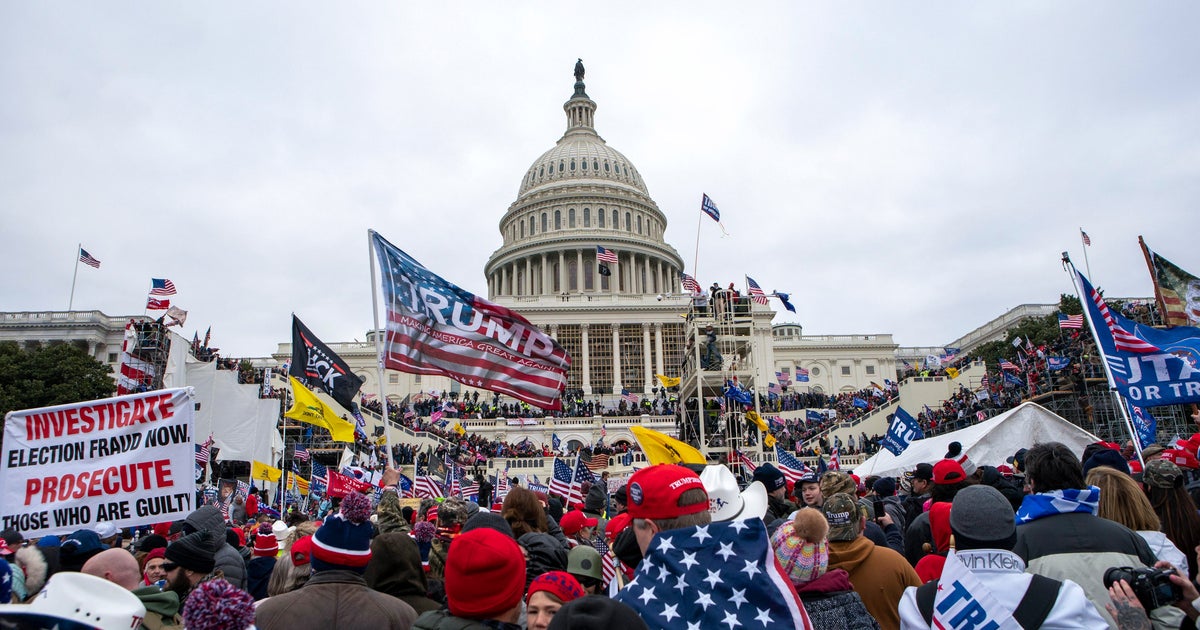
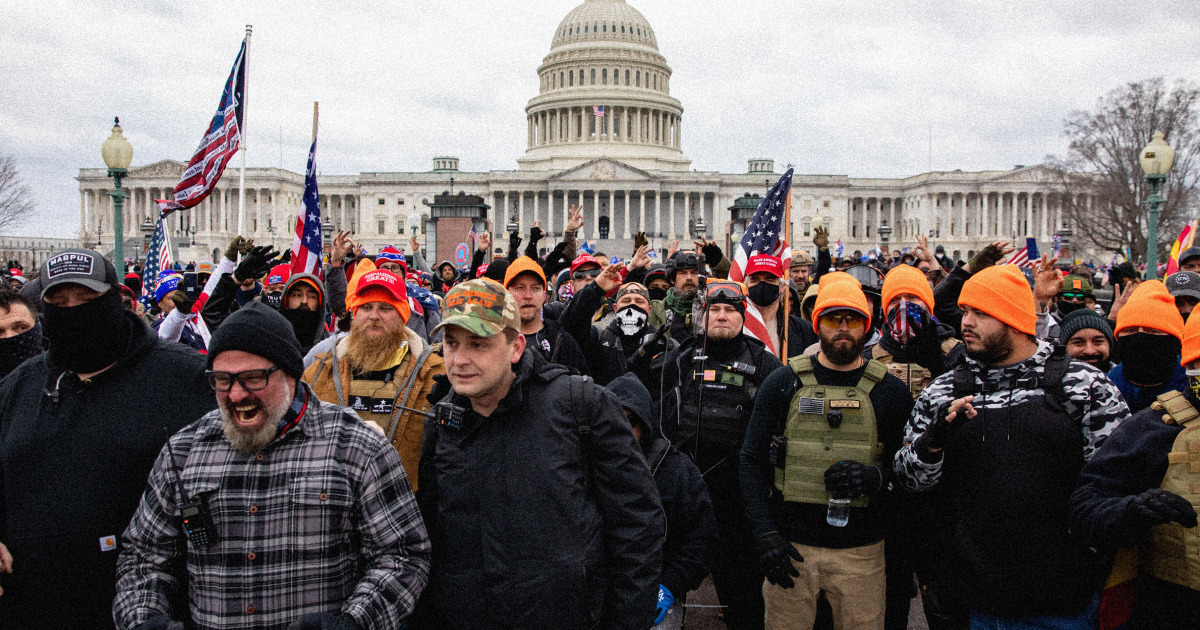
The fund's origin is unusual. It was created as part of a settlement agreement between President Trump, his sons, his company, and the Internal Revenue Service. Nearly $1.8 billion in taxpayer money was to be made available to people asserting they had suffered weaponization or lawfare at the hands of the federal government — a category that plaintiffs have argued could extend to January 6 rioters who received presidential pardons.
The lawsuit was brought by a January 6 prosecutor who was fired and a law professor. Career IRS employees later joined the case. Together they are seeking to block both the payout fund and a provision of the same settlement granting immunity to the IRS. A federal judge temporarily blocked the fund in May 2026, and it has not disbursed money since.
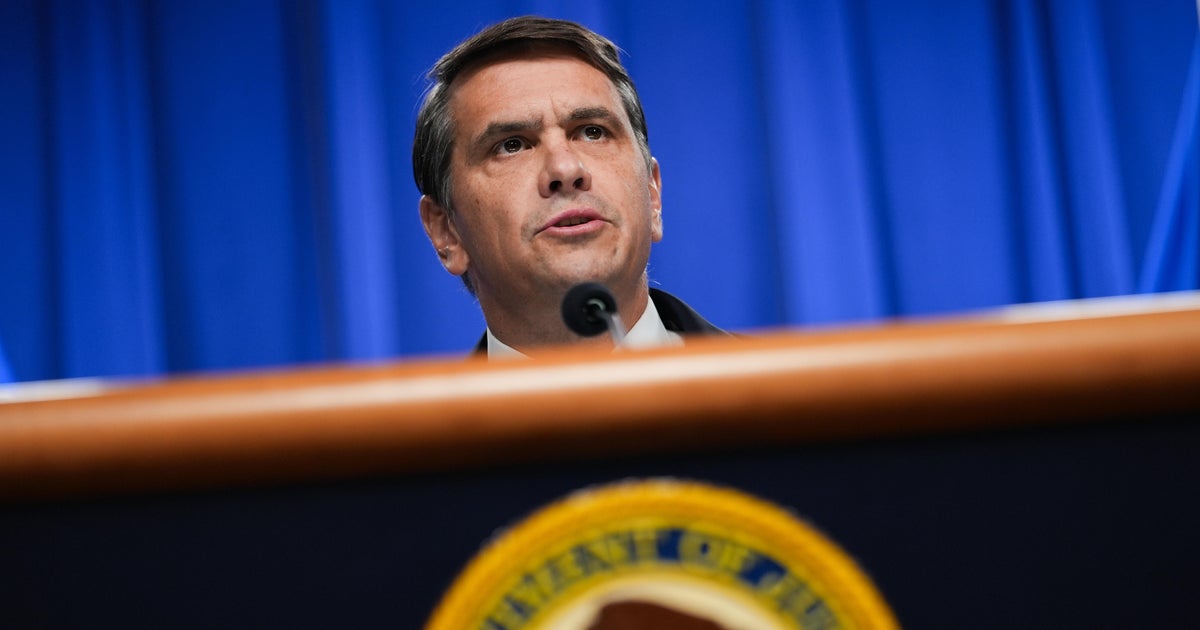
Attorney General Todd Blanche has said publicly that the fund "is dead." The plaintiffs' answer is a paperwork problem: the document purporting to rescind the fund was not signed by the original signatories to the settlement. That omission leaves an unclosed legal pathway — a rescission that may not bind the parties who created the arrangement, and therefore an arrangement that could be revived. It is the reason the case has not been mooted, and the reason Judge Davis's discovery order still has teeth.
"Today's order granting discovery is a significant step in getting to the bottom of the slush fund," said Aman George of Democracy Forward, the legal group representing the plaintiffs.
What comes next is a list of names. Discovery of that kind tends to be the point at which a structure built quietly acquires authors — officials who can be deposed about what they were asked to do, who asked, and on whose authority nearly $1.8 billion in public money was committed to a settlement in which the president of the United States was one of the settling parties.