Vietnam Launches Pilot Program for Domestic Crypto Exchanges
Five firms cleared for initial licensing as Hanoi moves to block offshore platforms and rein in $200 billion market
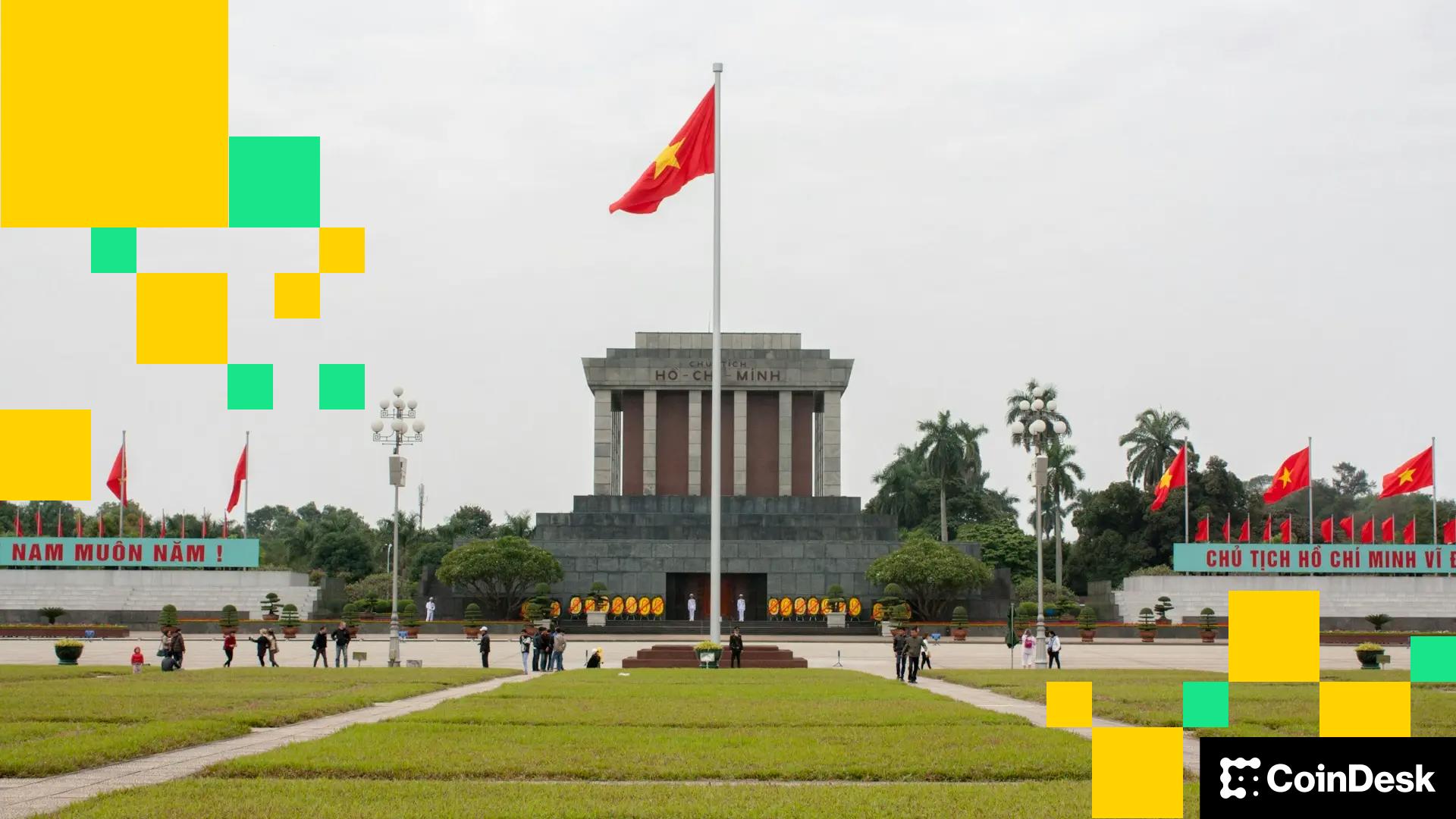
Vietnam is preparing to launch its first domestically licensed cryptocurrency exchanges, marking a sweeping effort to bring order to one of the world's most active — and least regulated — digital asset markets.
A government resolution issued in February established a pilot program for locally operated digital asset exchanges, with rollout possible as early as this month. According to a Finance Ministry document dated March 12, five companies have cleared the initial screening round, Reuters reported. The approved firms include affiliates of three major private banks — Techcombank, VPBank, and LPBank — as well as brokerage VIX Securities and the Sun Group conglomerate. The involvement of established financial institutions signals Hanoi's intent to embed crypto trading within the country's existing regulatory and banking infrastructure.
The stakes are significant. Vietnam ranks fourth on Chainalysis's latest Global Crypto Adoption Index, with its users moving an estimated $200 billion in cryptocurrency in the year through June 2025. Nearly all of that activity has flowed through offshore platforms operating beyond the reach of Vietnamese regulators. Officials have grown increasingly concerned that widespread use of crypto and stablecoins is undermining the government's ability to manage capital flows in a country that already restricts cross-border transfers.
The crypto boom is entangled with broader economic pressures. Vietnamese households have limited options for parking savings beyond gold and real estate, a dynamic that has pushed domestic gold prices above global benchmarks and fueled repeated waves of housing speculation. By channeling crypto trading onto regulated local platforms, authorities hope to gain visibility into transaction flows while curbing speculative excess.
The pilot program builds on a landmark law passed early last year that officially recognized digital and crypto assets for the first time, establishing a broad legal framework for the sector. That legislation set the stage for the licensing regime now taking shape. If the pilot proceeds on schedule, Vietnam would join a growing list of Asian economies — including Singapore, Japan, and Hong Kong — that have moved to formalize crypto markets through domestic exchange licensing. The critical question now is whether Vietnamese traders, long accustomed to the liquidity and anonymity of global platforms, will migrate to homegrown alternatives operating under the government's watchful eye.