Trump Trade War Impact Lingers One Year After 'Liberation Day' Declaration
Industries continue grappling with lasting effects as companies permanently reshape economic and policy risk models

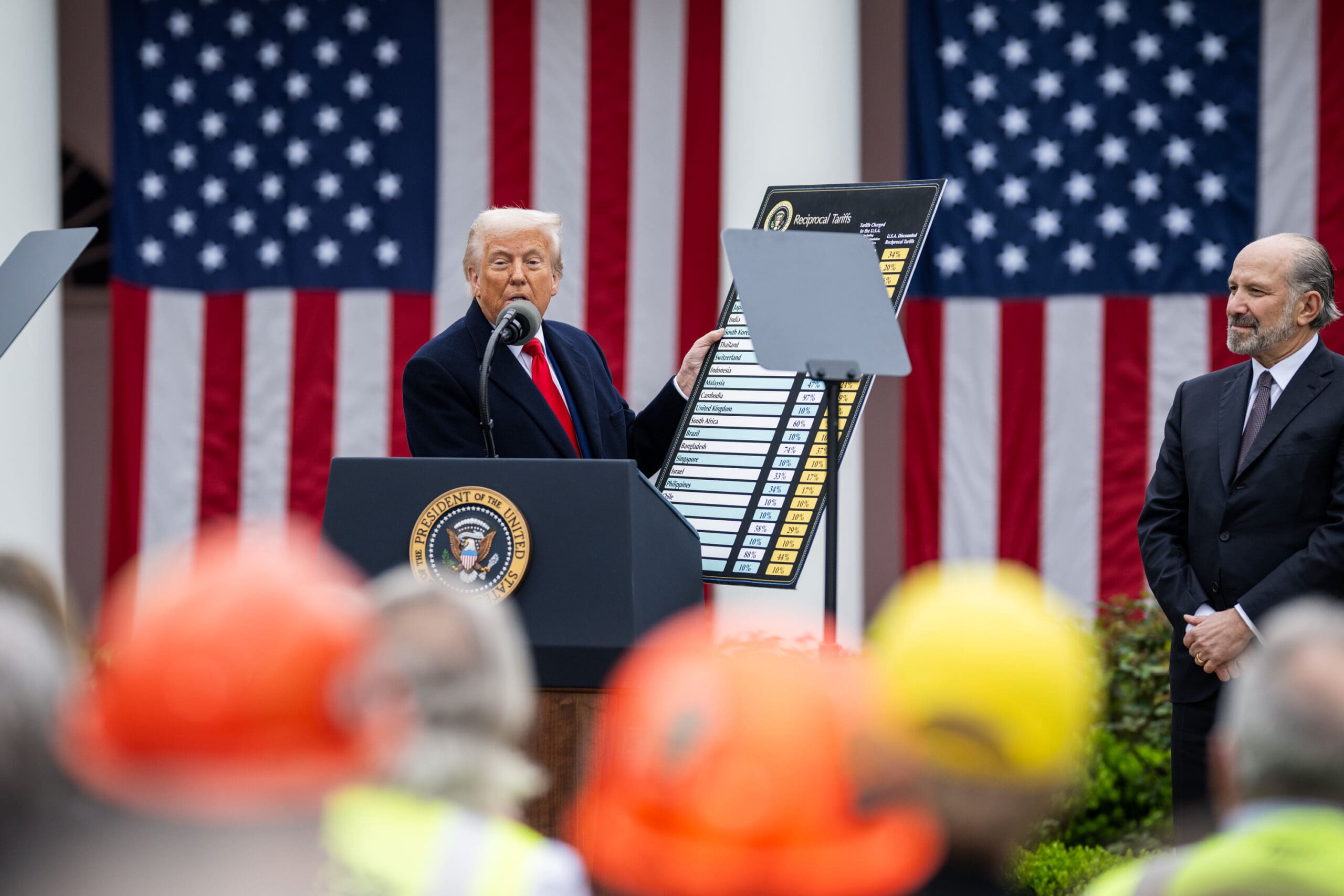
One year after President Trump declared "liberation day" from international trade constraints, American companies across multiple industries continue grappling with the lingering effects of his comprehensive trade war, fundamentally reshaping how businesses model economic and policy risks. The sweeping tariff regime and trade policy overhauls have created lasting changes in corporate strategy that extend far beyond the immediate costs of increased import duties.
The retail and automotive sectors have been particularly affected by the sustained trade tensions, with companies in both industries reporting permanent changes to their supply chain strategies and pricing models. Many retailers have diversified their supplier base to reduce dependence on any single country, while automotive manufacturers have accelerated plans to localize production and reduce exposure to international trade disruptions. These strategic shifts represent long-term structural changes rather than temporary adaptations to policy uncertainty.
Corporate risk management departments have substantially expanded their focus on trade policy analysis, hiring specialists and developing sophisticated models to predict and respond to potential tariff changes. Companies that previously treated trade policy as a background consideration now dedicate significant resources to monitoring political developments and maintaining contingency plans for rapid policy shifts. This heightened attention to political risk has become a permanent feature of corporate planning processes.
The automotive industry has experienced particularly dramatic changes, with several manufacturers announcing major facility relocations and supply chain reorganizations specifically in response to trade policy pressures. These capital-intensive decisions reflect corporate confidence that the current trade environment represents a new normal rather than a temporary policy phase. The industry's long production cycles mean that decisions made during the trade war will influence manufacturing patterns for years to come.
Financial markets have also adapted to the new trade environment, with analysts incorporating trade policy volatility into their sector analyses and investment recommendations. The sustained nature of the trade tensions has led many market participants to view policy unpredictability as a permanent risk factor rather than a short-term disruption. This shift has influenced everything from supply chain financing to international investment flows, creating lasting changes in how capital markets evaluate cross-border business opportunities.