The Supreme Court Just Handed Republicans Cheaper Campaign Ads Nine Weeks Before the Midterms
The justices stayed a Fourth Circuit ruling that had blocked political parties from buying broadcast time at the discounted rate reserved for candidates. Ketanji Brown Jackson was the only noted dissent.
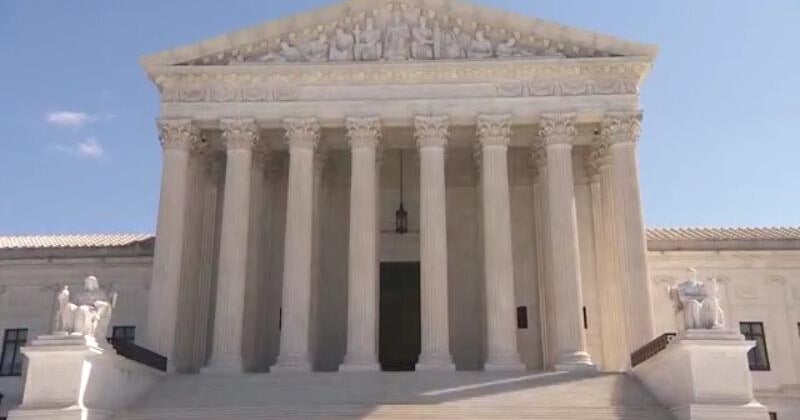
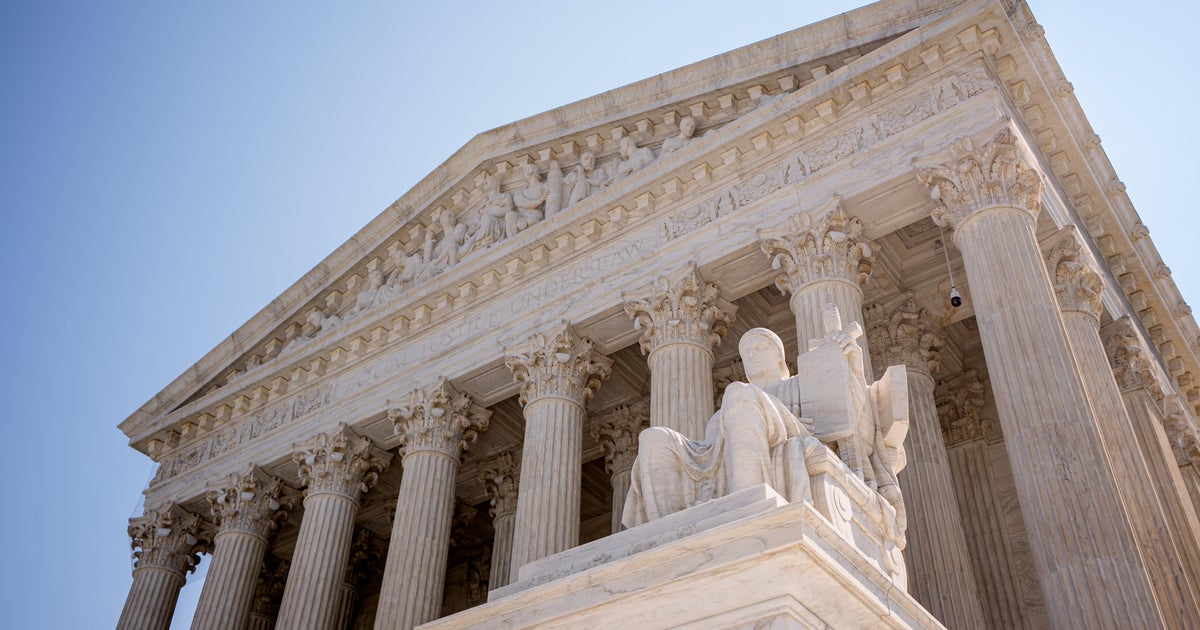
The Supreme Court on Friday put a lower court ruling on hold and cleared the way for political parties and joint fundraising committees to buy broadcast advertising at the steeply discounted rate that federal law guarantees to candidates themselves. The order arrived roughly nine weeks before the midterm elections, in the window when the money actually moves.
The case, Brown v. FCC, docket 26A274, turns on a provision of federal communications law that requires television and radio stations to sell candidates airtime at the "lowest unit charge" during the 60 days before a general election. The rate is meant to keep stations from gouging campaigns at the moment demand peaks. In March 2026, the Federal Communications Commission issued guidance concluding that the same discount extends to political parties and to joint fundraising committees, not just to the candidates whose names appear on the ballot.
Four Democrats sued to block it: Senator Jon Ossoff of Georgia, Representative Kristen McDonald Rivet of Michigan, Sherrod Brown of Ohio, and Roy Cooper of North Carolina. In August, the Fourth Circuit ruled against the FCC guidance and shut the discount off for party committees. Friday's order freezes that ruling while the litigation continues, which in practical terms means the discount is back on for the rest of the cycle.
The court's decision was unsigned. Justice Ketanji Brown Jackson was the only noted dissent. The opinion framed the harm to the party committees as one that money cannot fix after the fact. "That injury, which implicates their First Amendment rights to speak and coordinate their political activities freely, cannot be remedied after the fact through refunds or reimbursements," it said.
The asymmetry is the point of the fight. Republican party committees have been buying under the FCC guidance and building their fall buys around the discounted rate. Democratic committees, having gone to court to kill it, are not positioned to switch strategy in September. The result is that one side's dollars stretch further on broadcast television in the closing weeks, in the same markets, against the same voters.
Broadcast is not where every campaign dollar goes anymore, but it is still where the largest single blocks of spending land in competitive House and Senate races, and the lowest unit charge can cut a rate card by a substantial margin in the final 60 days. Multiplied across dozens of contested districts, the difference between paying the candidate rate and paying the open-market rate is measured in tens of millions of dollars of delivered impressions.
The underlying question — whether a statute written for candidates covers the parties that support them — is still live in the Fourth Circuit. Friday's order decides only who gets the discount while that gets sorted out, and by the time it is sorted out, the midterms will be over.