Reserve Bank of Australia Delivers Back-to-Back Rate Hike, Lifting Cash Rate to 4.1%
A narrow 5-4 vote reveals deep divisions on the RBA board as Australia faces its first consecutive rate increases since mid-2023
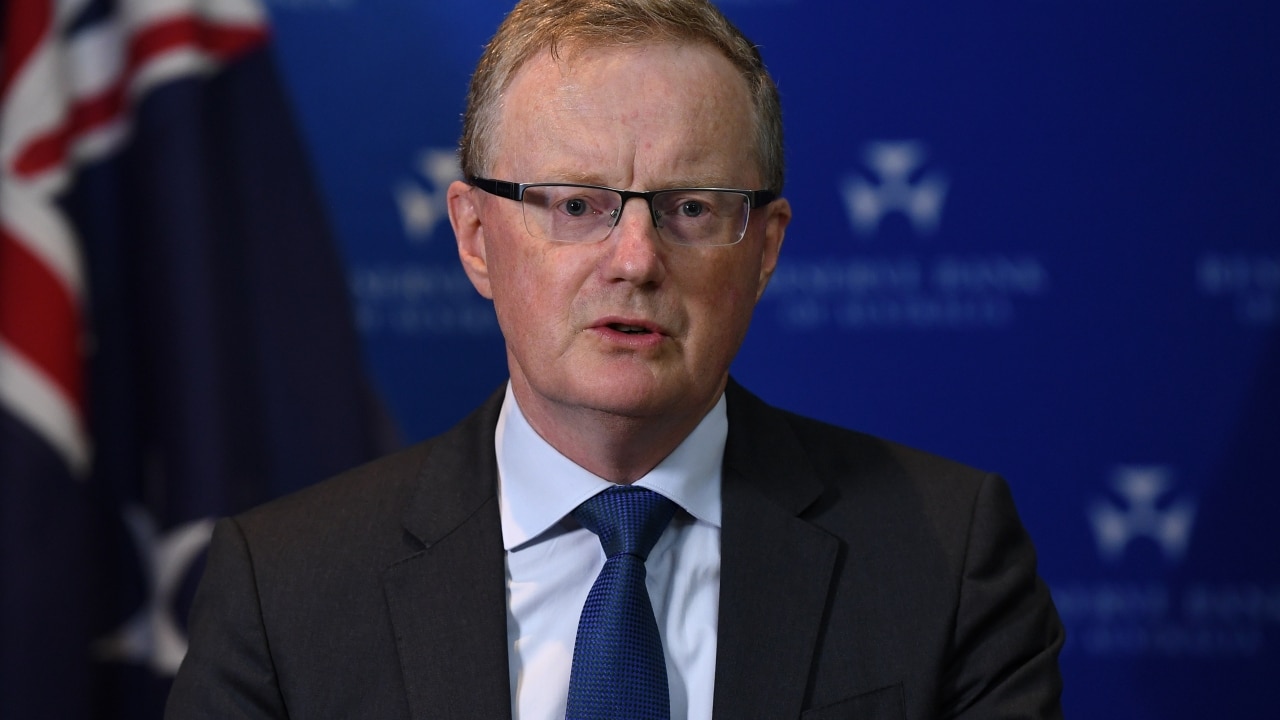
The Reserve Bank of Australia raised its benchmark interest rate for the second consecutive meeting on Tuesday, lifting the cash rate by 25 basis points to 4.1% in a closely contested decision that underscores the central bank's renewed concern over persistent inflationary pressures.
The move marks the RBA's first back-to-back rate increase since mid-2023, when the bank was in the thick of its post-pandemic tightening campaign. The decision was far from unanimous: the nine-member policy committee split five-to-four in favor of the hike, signaling significant internal debate over whether the Australian economy can absorb further monetary tightening. The narrow margin suggests the board weighed competing risks — stubbornly elevated inflation on one hand, and the potential for overtightening to drag on growth and employment on the other.
The consecutive increases represent a notable shift in the RBA's posture. After pausing and then cautiously resuming rate adjustments in recent months, the back-to-back hikes suggest policymakers are seeing enough evidence in inflation data and economic activity to justify a more aggressive stance. The prior hike from 3.60% to 3.85% had already caught some market participants off guard, and Tuesday's decision reinforces that the RBA is prepared to act decisively even as other major central banks have signaled more measured approaches.
The decision carries significant implications for Australian households, many of whom hold variable-rate mortgages that are directly sensitive to cash rate movements. With borrowing costs now at 4.1%, household budgets face additional strain at a time when cost-of-living pressures remain a dominant concern across the country. Business investment and consumer spending could also soften if the tightening cycle extends further.
Market analysts will now scrutinize upcoming inflation readings and employment data closely to gauge whether the RBA's hawkish pivot has further to run. The tight vote suggests that even modest improvement in price data could be enough to swing the board toward a pause at its next meeting, but for now, the central bank has made clear that taming inflation remains its overriding priority.