PayPal Expands PYUSD Stablecoin to 70 Markets Worldwide
The payments giant pushes its dollar-backed token into Asia-Pacific, Europe, and Latin America to challenge dominant rivals
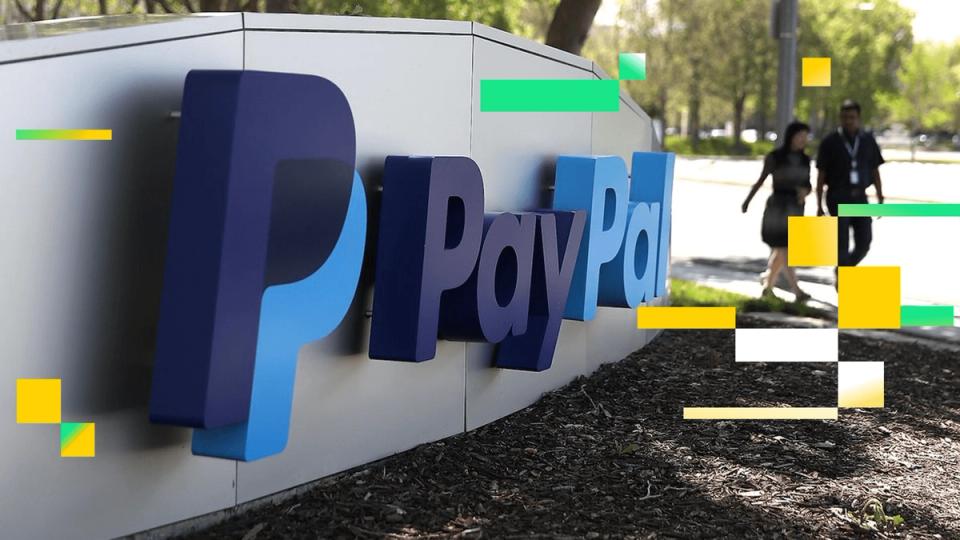
PayPal has opened access to its dollar-backed stablecoin, PYUSD, in 70 markets globally, marking the most significant international expansion of the token since its U.S. launch in 2023. The move positions the payments giant to compete more directly with established stablecoin issuers Tether and Circle in the fast-growing cross-border payments arena.
Under the expansion, consumers in newly supported countries — spanning regions including Asia-Pacific, Europe, and Latin America — can buy, hold, send, and receive PYUSD directly through their PayPal accounts. Users also have the option to transfer tokens to external cryptocurrency wallets or convert holdings to local currency upon withdrawal. Merchants accepting PYUSD will be able to access payment proceeds within minutes, a sharp improvement over the multi-day settlement cycles typical of traditional cross-border transactions. Countries gaining access include Singapore, the United Kingdom, Peru, and Guatemala, with PayPal indicating additional markets will follow in coming weeks.
PYUSD, issued by Paxos under U.S. regulatory oversight and backed by dollar deposits and short-term Treasury securities, currently carries a market capitalization of approximately $4 billion. That remains a fraction of the stablecoin sector's leaders — Tether's USDT commands roughly $143 billion, while Circle's USDC stands at about $78 billion — but PayPal's vast existing user base of over 400 million accounts gives it a distribution advantage that pure crypto-native issuers lack.
"You're lowering costs, you're enhancing speed, you're providing consumers as well as businesses the ability to hold, spend and earn," May Zabaneh, PayPal's senior vice president and general manager of crypto, told CoinDesk. Zabaneh characterized the rollout as a demonstration of how stablecoins can be meaningfully integrated into an established payments network serving both consumers and merchants.
The expansion arrives as the broader stablecoin market surpasses $312 billion in total supply, drawing increasing attention from traditional financial heavyweights. Visa and Mastercard are both exploring stablecoin integrations, while major banks and fintech firms are testing tokenized deposits and blockchain-based settlement infrastructure. For PayPal, the international PYUSD push represents a bet that its brand recognition and regulatory compliance can carve out meaningful market share in a sector where network effects and trust remain decisive competitive advantages. Shares of PayPal traded near recent levels on the Nasdaq on Monday.