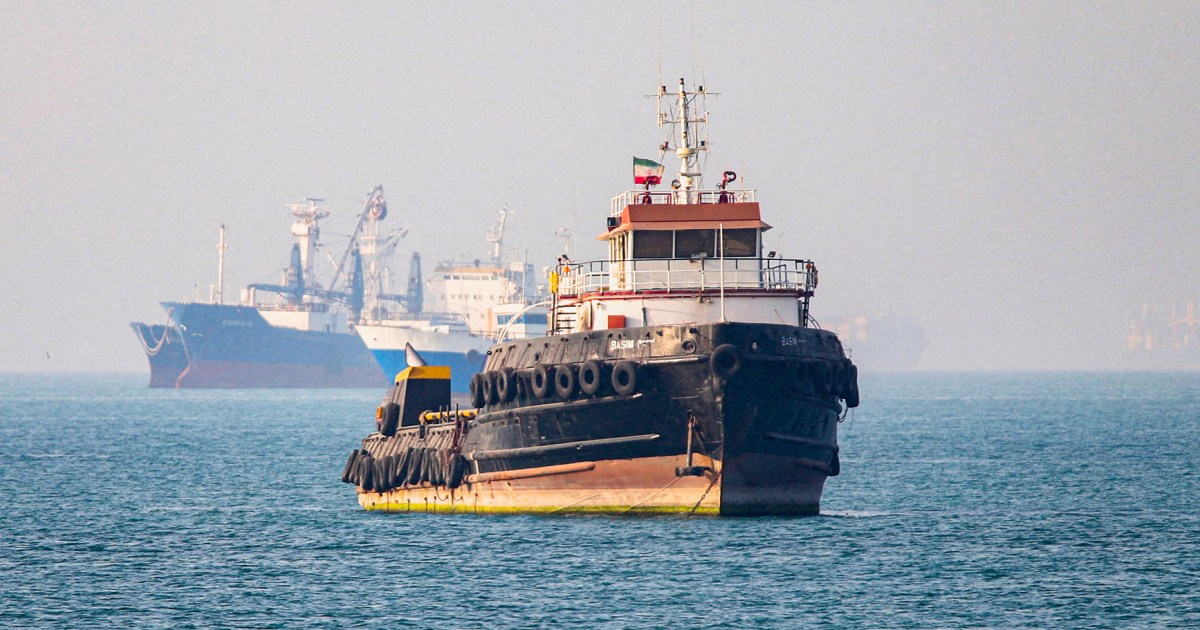
Oil Prices Surge on Renewed Strait of Hormuz Tensions as Iran Conflict Escalates
Traders digest mounting geopolitical risks over the critical shipping lane as U.S.-Iran tensions continue to affect global energy markets.
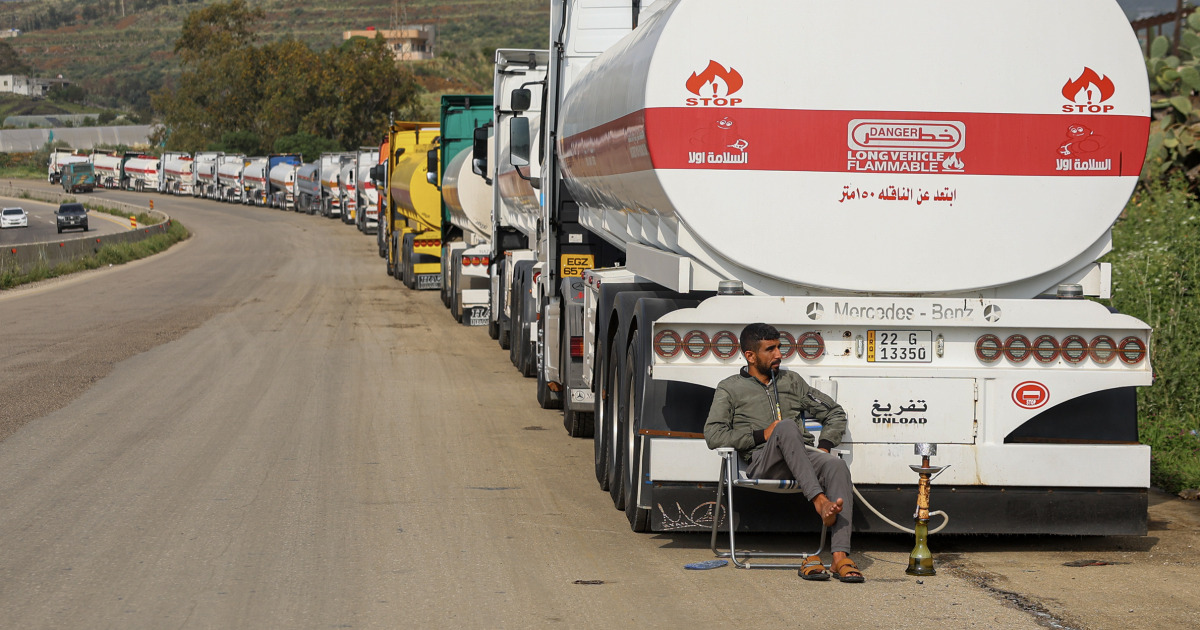
Oil prices jumped sharply on Monday as renewed tensions between the United States and Iran over the strategically critical Strait of Hormuz sent shockwaves through global energy markets, adding to weeks of volatile trading driven by Middle East geopolitical risks. The price surge reflects growing trader concern about potential disruptions to the vital shipping lane through which approximately 20% of global oil supplies pass daily. Stock markets fell slightly as investors weighed the broader economic implications of escalating tensions in one of the world's most important energy corridors.
The latest price spike continues a pattern of significant oil market volatility that has characterized trading in recent weeks as the U.S.-Iran conflict has intensified around the Strait of Hormuz. This narrow waterway, just 21 miles wide at its narrowest point, serves as a crucial chokepoint for oil shipments from major Middle Eastern producers including Saudi Arabia, Kuwait, and the United Arab Emirates. Any disruption to shipping through the strait would immediately affect global energy supplies and potentially trigger supply shortages in major consuming markets.
Traders have been closely monitoring developments in the region, where U.S. naval forces are enforcing a blockade of Iranian ports while Iranian forces have threatened to close the strait entirely if conflicts escalate further. The standoff has created an atmosphere of extreme uncertainty in energy markets, with prices swinging dramatically based on each new development in the diplomatic and military situation. Oil futures contracts have shown particular sensitivity to reports about naval movements and diplomatic communications between the involved parties.
The price volatility has significant implications for the broader global economy, as energy costs directly affect transportation, manufacturing, and consumer prices worldwide. Economists warn that sustained high oil prices could contribute to inflationary pressures just as many countries are working to control rising costs across various sectors. The uncertainty also complicates monetary policy decisions for central banks attempting to balance economic growth concerns with inflation control measures.
Energy market analysts expect continued volatility as long as tensions persist around the Strait of Hormuz, with prices likely to remain sensitive to both diplomatic developments and any incidents involving military forces in the region. The situation has prompted increased attention from the International Energy Agency and other organizations responsible for coordinating emergency oil releases if supply disruptions become severe. Market participants are closely watching for any signs of progress in diplomatic efforts to resolve the crisis, which could help stabilize prices and reduce the risk of broader economic disruption from energy supply shortages.