Oil Prices Jump, Stocks Rise as Houthi Missiles Target Israel in War Expansion
Global oil markets react to weekend ballistic missile attacks as Iran war spreads beyond its borders for first time.

Global oil prices surged and equity markets moved higher in an apparent risk-on trade Friday as Houthi rebels in Yemen launched their first ballistic missile strikes against Israel since the group entered into an October ceasefire, with traders interpreting the attack as a further expansion of the Iranian-backed proxy network's involvement in the broader regional conflict.
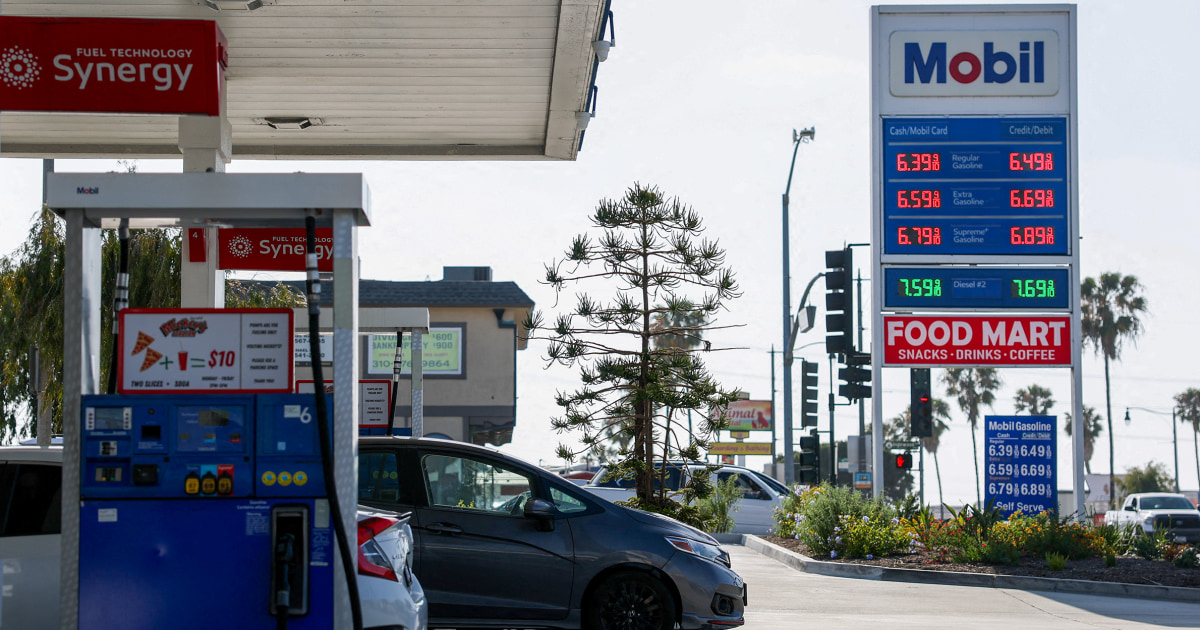
Brent crude rose 4.2 percent to close above $115 per barrel, while West Texas Intermediate gained 3.8 percent. The Dow Jones Industrial Average gained 312 points, or 0.8 percent, with energy sector stocks leading gains — an unusual pattern that analysts attributed to investors rotating out of consumer discretionary and technology names and into energy companies expected to benefit from elevated oil prices.
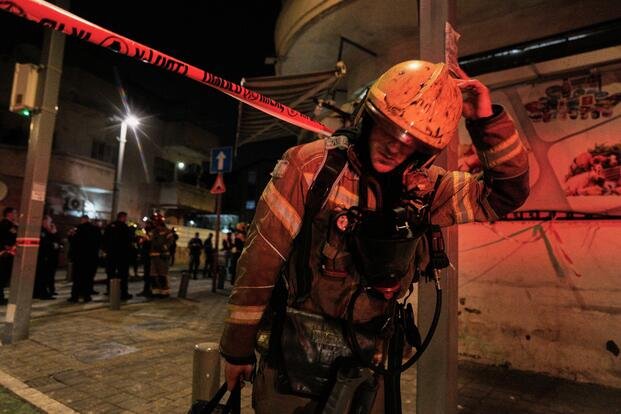
The Houthi strikes, which Israel's air defenses intercepted over the Negev desert without casualties, marked the first Houthi attack on Israeli territory since a ceasefire announced in October following the Gaza conflict. The Houthi military spokesperson, Yahya Sarea, said in a statement broadcast on al-Masirah television that the attacks were a response to Israeli airstrikes in Lebanon and expressed solidarity with Iran. He vowed additional strikes if hostilities in Lebanon and the broader Iran war continued.
The Israeli military confirmed the interceptions and said it was assessing the launches as a significant escalation that would require a response. Prime Minister Benjamin Netanyahu convened an emergency security cabinet session Friday evening. Defense Minister Israel Katz said Israel was prepared to strike Houthi infrastructure in Yemen if the group continued attacks, a threat Israeli forces have carried out on several previous occasions.
Analysts at Goldman Sachs and JPMorgan raised their near-term oil price forecasts following the Houthi attack, citing the expanding geographic scope of the conflict and the continued closure of the Strait of Hormuz to commercial tanker traffic. The Strait, which carries roughly 20 percent of the world's oil supply under normal conditions, has been effectively closed to commercial transits since early March due to Iranian mine-laying operations and threatened military action against tankers. The International Energy Agency has declared the resulting supply disruption the largest in the organization's 50-year history.