Markets Rebound on Ceasefire News but Oil Prices Edge Higher
Despite its fragile status, the ceasefire between the United States and Iran helped stocks surge while oil prices inch back up, raising concerns about gas prices and broader economic impacts.
Major stock indices posted significant gains as news of the U.S.-Iran ceasefire provided relief to investors who had been grappling with uncertainty over Middle Eastern oil supplies and broader geopolitical risks. All three major indices surged on the announcement, with the Dow Jones Industrial Average leading gains as investors interpreted the diplomatic breakthrough as reducing immediate threats to global energy markets and economic stability.
Despite the positive market reaction to ceasefire news, oil prices began edging higher again as traders remained skeptical about the durability of the agreement and its long-term implications for regional stability. Crude oil futures, which had initially declined on ceasefire reports, reversed course as analysts noted the fragile nature of the diplomatic arrangement and ongoing concerns about Iran's ability to quickly resume full oil production given infrastructure damage from recent bombing campaigns.
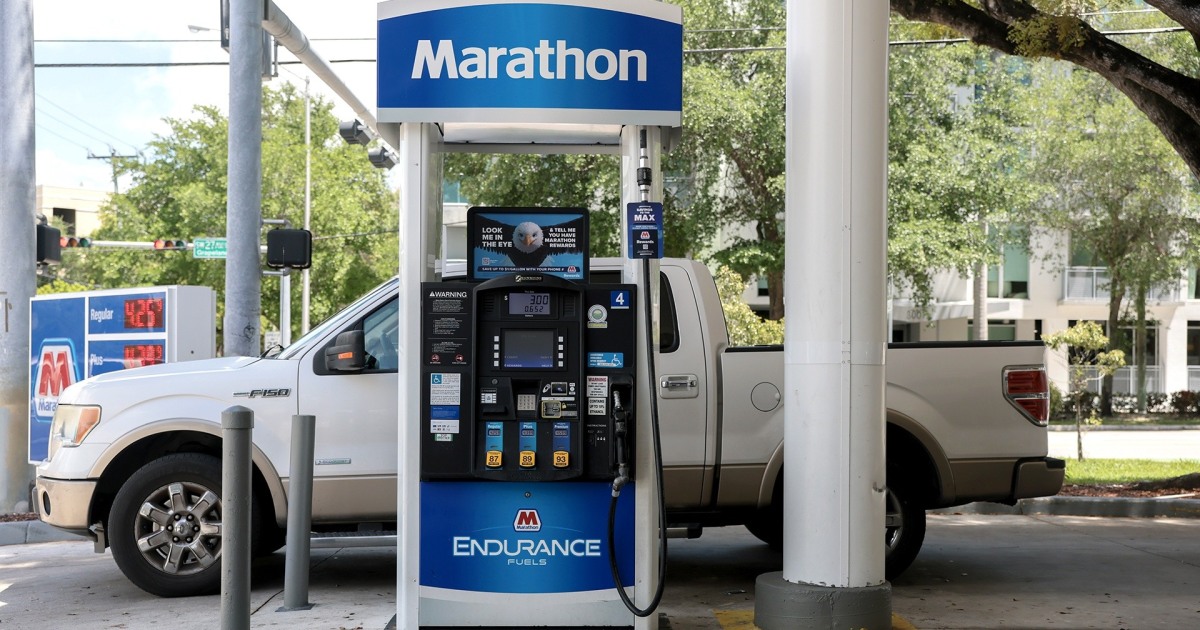
The oil price movements have raised immediate concerns about gasoline prices for American consumers, who have already been dealing with elevated fuel costs due to supply disruptions during the conflict. Energy analysts warn that even modest increases in crude oil prices could translate into higher prices at the pump, potentially affecting consumer spending patterns and broader economic confidence as the summer driving season approaches.
The ripple effects of oil price volatility extend far beyond gas stations, with airlines, shipping companies, and manufacturers all facing potential cost pressures that could impact everything from airfare pricing to grocery costs. Transportation-heavy sectors showed mixed trading as investors weighed the positive effects of reduced geopolitical risk against the potential for continued energy price volatility that could squeeze profit margins.
Financial markets are now closely watching developments in Pakistan, where Vice President JD Vance is leading ceasefire negotiations with Iranian officials. Traders and analysts emphasize that sustained market gains will depend on whether the diplomatic breakthrough can evolve into a more comprehensive and durable agreement that addresses underlying regional tensions. The current market optimism reflects hope for reduced conflict, but persistent oil price movements suggest investors remain cautious about declaring the crisis definitively resolved.