Iran War Devastates Luxury Stocks as Middle East Crisis Wipes Out $100 Billion
Dubai's role as a growth driver for luxury brands makes the Middle East tensions particularly damaging at a critical time for the industry.

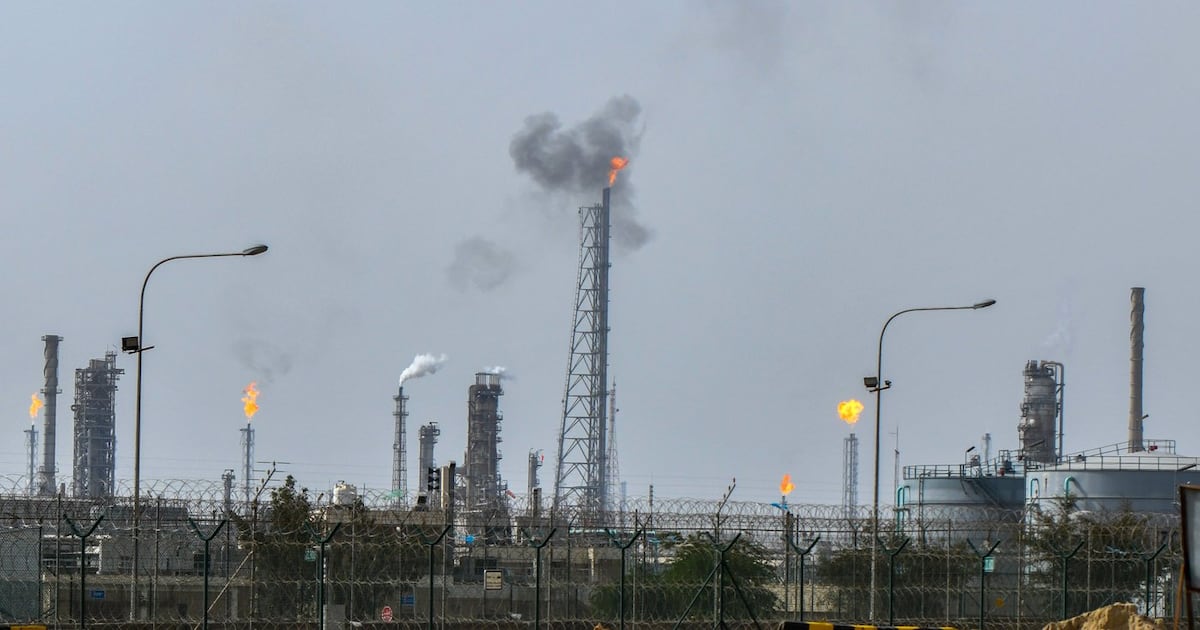
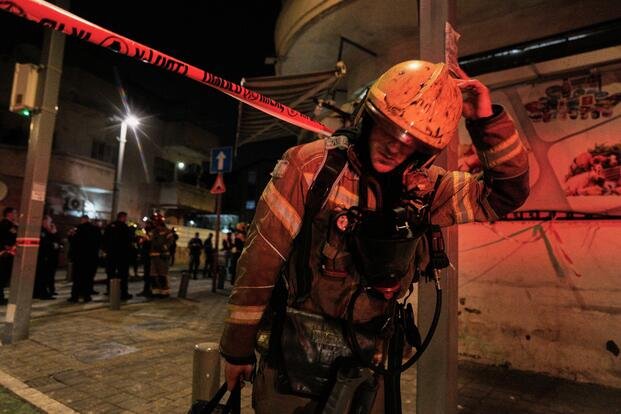
The escalating conflict between the United States and Iran has wiped out more than $100 billion in market capitalization from the world's largest luxury goods companies, as the war threatens a critical growth engine for the sector at a time when the industry was already struggling with weakening demand.
Shares of LVMH, the French conglomerate behind Louis Vuitton and Dior, have fallen more than 18 percent since hostilities began on February 28, erasing roughly $45 billion in value. Kering, parent of Gucci and Saint Laurent, has dropped 22 percent. Richemont, the Swiss group that owns Cartier and Van Cleef and Arpels, is down 16 percent. Across the European luxury index, every major name has suffered double-digit percentage declines.
The selloff reflects the outsized importance of Dubai and the broader Gulf region to luxury retail. Dubai has emerged over the past decade as the world's fastest-growing luxury market, with the emirate's tax-free shopping districts, high concentration of ultra-wealthy residents, and position as a transit hub for affluent travelers from Asia, Africa, and Europe creating a uniquely favorable environment for high-end brands. Industry analysts estimated that the Gulf region accounted for approximately 8 to 10 percent of global luxury sales in 2025, a figure that had been growing at roughly 15 percent annually.
That growth trajectory has now been thrown into question. Dubai's main airport, the world's busiest for international passenger traffic, has seen flight volumes plunge as airlines cancel or reroute services away from the conflict zone. Tourism arrivals in the emirate dropped 40 percent in March compared to the same period last year, according to preliminary data from the Dubai Department of Economy and Tourism. The iconic Dubai Mall, which houses flagship stores for virtually every major luxury brand, has reported foot traffic down by more than half.
Beyond the immediate disruption to physical retail, the conflict has dampened the appetite for conspicuous consumption among wealthy Middle Eastern consumers. Wealth managers in the region report that their clients are shifting assets to safer havens and deferring major discretionary purchases. The psychological effect of a major war in the region has been profound, even in Gulf states that are not directly involved in the fighting.
The timing is particularly painful for the luxury industry. Companies had been counting on the Middle East as a bright spot to offset weakening sales in China, which had been the sector's primary growth driver until an economic slowdown and government campaigns against ostentatious wealth dampened demand. With both pillars of growth now under pressure, luxury executives face their most challenging environment since the early days of the pandemic.
Analysts at Morgan Stanley downgraded the European luxury sector to underweight this week, citing the dual headwinds of the Iran conflict and persistent weakness in China. The bank estimated that every month of disruption to Gulf tourism costs the sector approximately $2 billion in lost revenue, with LVMH and Richemont the most exposed due to their extensive retail networks in the region.
Some investors see opportunity in the carnage. Bernstein analyst Luca Solca noted that luxury stocks have historically recovered quickly from geopolitical shocks, as the underlying wealth of their customer base tends to be resilient. However, he cautioned that the current situation differs from past crises because the threat to Dubai specifically undermines a structural growth story that had been priced into valuations for years.
The ripple effects extend beyond publicly traded companies. Private luxury brands, high-end hospitality groups, and the real estate developers behind Dubai's luxury residential market are all feeling the impact. Property brokers in Dubai report that several high-profile residential transactions have been put on hold, and hotel occupancy rates in the emirate's five-star properties have fallen to levels not seen since the early months of the pandemic.