The EPA Repealed Biden's Power-Plant Carbon Rule in Houston on Monday, in Front of G20 Energy Ministers. Zeldin Called It the 'Most Consequential Day of Deregulation in American History.'
The rule had required coal plants and new gas plants to cut 90% of their CO2 by 2032. The EPA's own prior analysis credited it with preventing 30,000 deaths a year. Power-sector emissions rose 4.1% in 2025, the first increase in two decades.
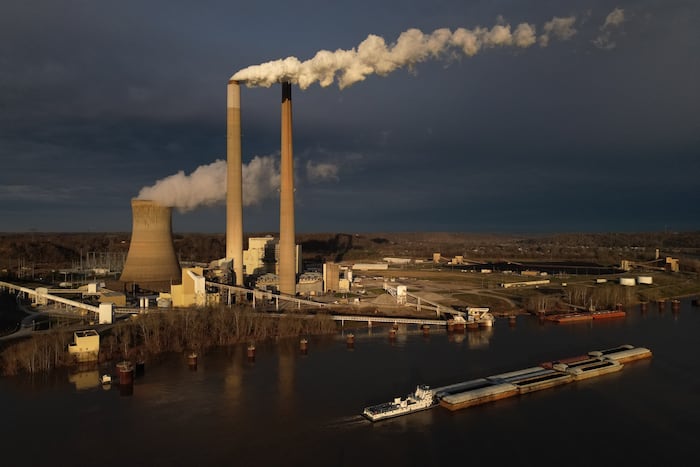
The Environmental Protection Agency on Monday finalized the repeal of the Biden-era rule limiting greenhouse gas emissions from coal- and gas-fired power plants, announcing the move in Houston during a meeting of G20 energy ministers that the Trump administration is hosting under the banner of "energy abundance." EPA Administrator Lee Zeldin, joined by Interior Secretary Doug Burgum and Energy Secretary Chris Wright, said the action would "unleash American energy" and described the rollback as part of the "most consequential day of deregulation in American history."
The repealed rule, finalized in 2024, required existing coal plants and new natural gas plants to capture or otherwise cut 90% of their carbon dioxide emissions by 2032, a target that in practice meant installing carbon capture and storage. The Biden administration projected it would eliminate about 1 billion metric tons of greenhouse gas emissions by 2047 and, when combined with companion rules, prevent an estimated 30,000 premature deaths a year while delivering as much as $275 billion in annual health and climate benefits. Zeldin said the repeal will save energy companies $120 million a year and that the administration's broader deregulatory push removes more than $300 billion in costs from industry. He accused prior administrations of waging a "war on so much of our U.S. domestic energy supply."
Power plants burning coal, gas and oil produce roughly a quarter of the nation's climate pollution. That share had been shrinking for years: U.S. power-sector carbon emissions fell 41% between 2005 and 2024. In 2025 they rose 4.1%, to 1,485 million metric tons, the first annual increase in two decades, as electricity demand from data centers surged and the administration ordered aging coal plants to keep running. Last week a federal appeals court found there had been no emergency justifying one such order at Michigan's Campbell plant.
Environmental groups said they would sue. "Americans everywhere are already suffering from record-breaking heat," said Vickie Patton, general counsel of the Environmental Defense Fund, pointing to a summer that set the hottest U.S. temperatures in more than 130 years of records and a July that was the hottest month ever measured nationally. Maggie Coulter, speaking for a coalition of environmental organizations, said "denying the existence of a quarter of the country's climate pollution is utterly reckless." Advocates estimate the original rule would have produced $270 billion to $370 billion in net climate and public-health benefits through 2047.
The legal fight will turn on the Supreme Court's 2022 decision in West Virginia v. EPA, which struck down the Obama-era Clean Power Plan and barred the agency from forcing a system-wide shift away from fossil fuels. The Biden rule was written to survive that ruling by regulating emissions at individual plants rather than across the grid. The Trump EPA's repeal goes further, revisiting whether the agency should regulate power-plant carbon at all, a question that could bring the 2009 "endangerment finding" underpinning all federal climate rules back before the courts.
The announcement lands as gasoline averages $4.31 a gallon, more than a dollar higher than a year ago, and as the administration blames the Iran war's oil shock on everything from Ukrainian drones to Democratic governors. Zeldin's argument in Houston was that cheaper power requires fewer rules. The groups preparing lawsuits argue the bill simply comes due somewhere else.
Originally reported by Associated Press.