Delta Suspends Congressional Services Amid TSA Shutdown Airport Delays
Airline cuts off special airport perks for members of Congress as government failure to pay TSA workers creates nationwide travel chaos.

Delta Air Lines took the unusual step on Tuesday of suspending its special airport services for members of Congress, a pointed rebuke of lawmakers as the ongoing government shutdown enters its 42nd day and the failure to pay TSA workers creates worsening delays at airports nationwide.
The airline notified congressional offices that it would immediately discontinue expedited check-in, priority boarding, and dedicated customer service lines that had been available to senators and representatives. In a letter to congressional leadership obtained by reporters, Delta CEO Ed Bastian said it was unconscionable that lawmakers continued to enjoy travel perks while the airport workers who make air travel possible were going without paychecks.
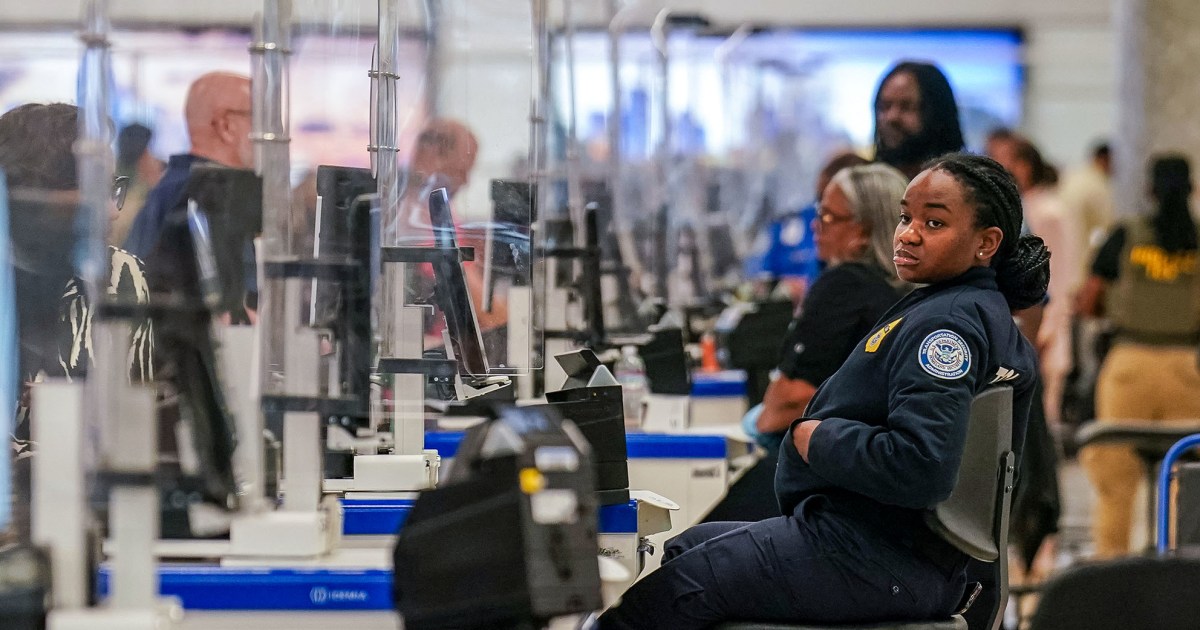
The move comes as the partial government shutdown, triggered by a dispute over Department of Homeland Security funding, has left approximately 50,000 TSA screeners working without pay. The impact on air travel has been dramatic. Wait times at security checkpoints have ballooned to over two hours at major airports, and TSA has reported a sharp increase in employee call-outs as workers struggle to cover their expenses.
Several airports have been forced to close security checkpoints and consolidate screening operations, creating bottlenecks that have rippled through the entire air travel system. Flight delays and cancellations have increased significantly as passengers miss connections due to extended security wait times.
Delta is the first major airline to take direct action against congressional travel privileges, though other carriers have expressed similar frustrations. United Airlines and American Airlines issued statements supporting Delta's decision and calling on Congress to resolve the funding impasse immediately.
The airline industry has warned that the shutdown is costing the sector hundreds of millions of dollars in lost revenue as travelers cancel or postpone trips to avoid the airport chaos. Business travel, which is disproportionately important to airline profitability, has been particularly affected.
Congressional reaction to Delta's decision was mixed. Several lawmakers acknowledged the airline's frustration and said the move underscored the urgency of reaching a funding agreement. Others criticized the action as a publicity stunt, noting that the services in question were purchased by congressional offices rather than provided free of charge.
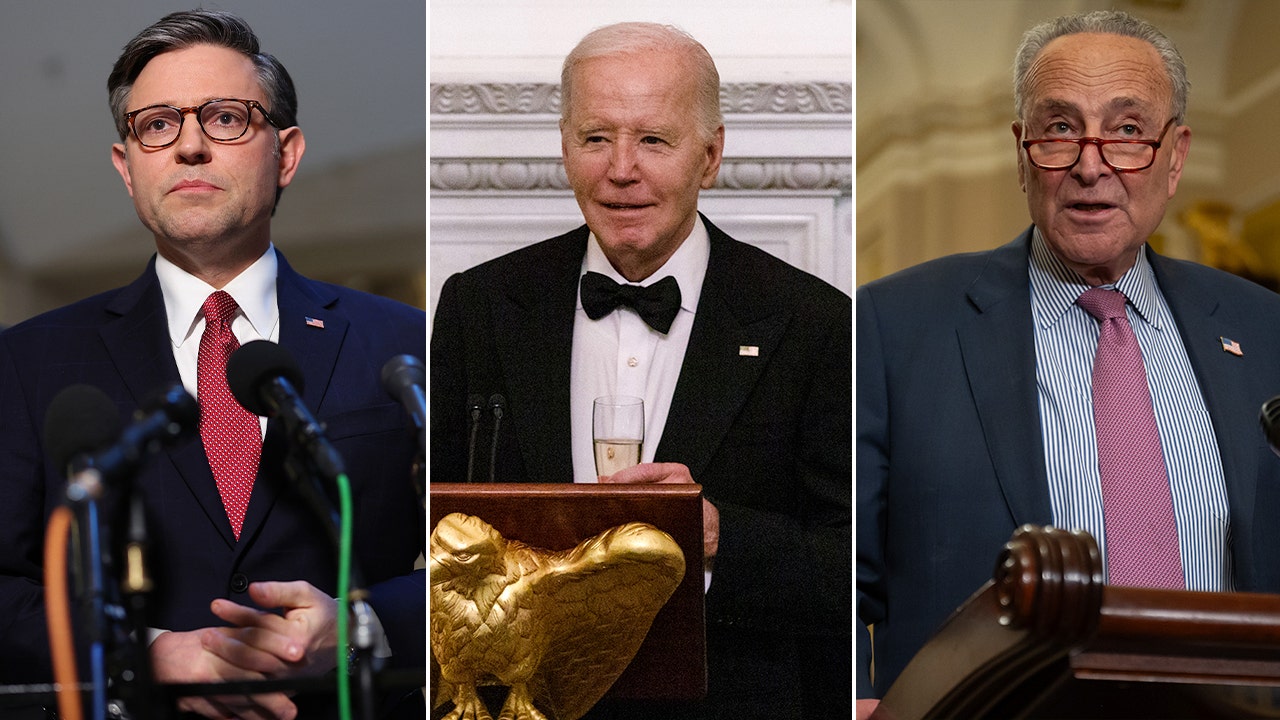
The shutdown began in mid-February when the House Republican majority rejected a bipartisan Senate deal to fund the Department of Homeland Security. The impasse centers on disagreements over immigration enforcement funding and the scope of ICE operations. Despite several attempts at compromise, the two chambers have been unable to reach an agreement.
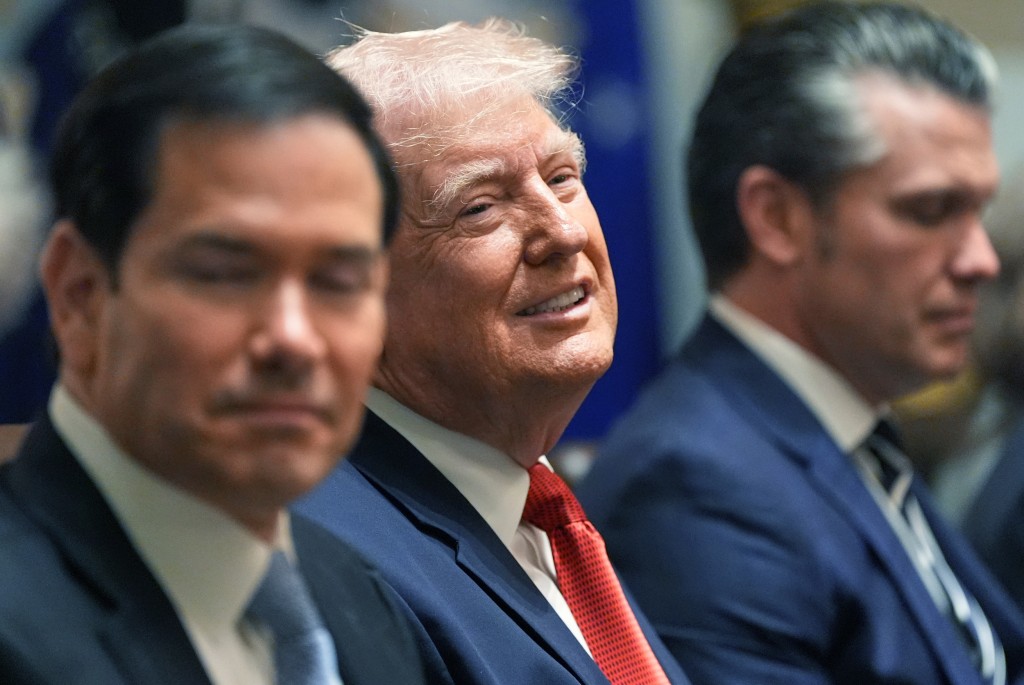
President Trump has not intervened directly in the negotiations, saying the matter is for Congress to resolve. Democrats have accused the president of being content to let the shutdown continue as leverage for his immigration agenda.
Airport workers have organized demonstrations at several major airports calling for an end to the shutdown. Their union, the American Federation of Government Employees, has filed a lawsuit seeking emergency pay for affected workers, though the case has not yet been resolved.
Travel industry groups estimated that the shutdown has already cost the broader economy several billion dollars when accounting for reduced travel spending, cancelled events, and lost productivity. They warned that the damage would accelerate if the impasse continued beyond the busy spring travel season.