Homeland Security Bars 43 Chinese Companies From U.S. Imports in the Largest Forced-Labor Action on Record
The additions to the Uyghur Forced Labor Prevention Act entity list cover aluminum, apparel, copper, cotton and tomato producers and push the total to 187 blocked entities. DHS Secretary Markwayne Mullin said the companies use 'slave labor.'
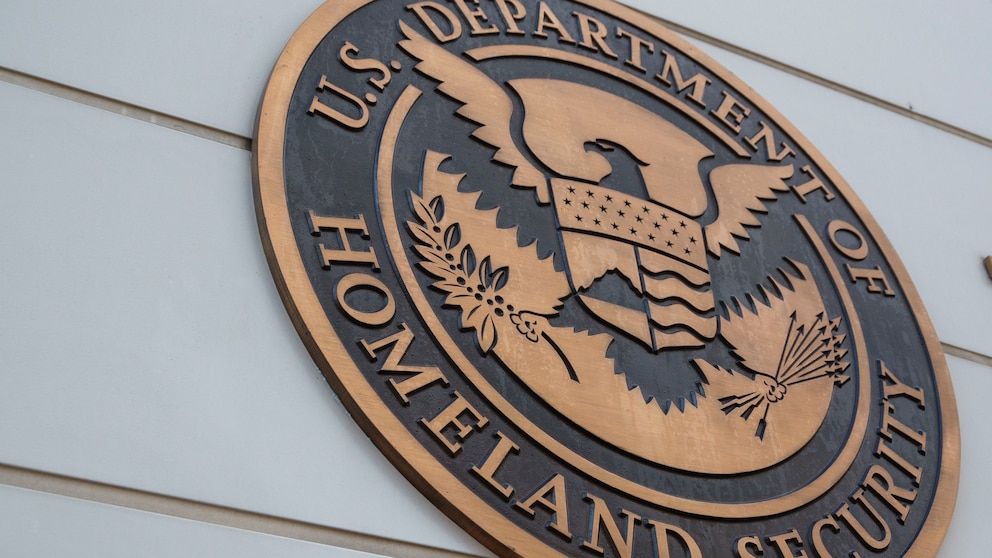
The Department of Homeland Security barred 43 Chinese companies from importing goods into the United States on Thursday, the largest single-day forced-labor enforcement action in the program's history and one that pushes the government's blocked-entity roster to 187 companies.
The additions were made under the Uyghur Forced Labor Prevention Act, the 2021 statute that creates a rebuttable presumption that any goods produced wholly or in part in China's Xinjiang region are made with forced labor and are therefore barred from entry. Once a company is placed on the UFLPA entity list, Customs and Border Protection detains its shipments at the port unless the importer can produce clear and convincing evidence that no forced labor touched the supply chain — a standard that in practice almost no importer meets.
The newly listed companies span five sectors: aluminum, apparel, copper, cotton and tomatoes. Among them are Kuitun Yadasi Textile Co. and Xinjiang Nuziline Bio-Pharmaceutical Co. DHS Secretary Markwayne Mullin said the companies stand accused of using "slave labor" in their operations.
"The Trump Administration remains steadfast in its commitment to remove forced labor from U.S. supply chains and to holding foreign companies accountable for their exploitation," said Rob Law, the DHS under secretary for strategy, policy and plans, who chairs the interagency Forced Labor Enforcement Task Force that approves listings.
The scale of the action matters more than the individual names. Aluminum and copper are the two sectors where the enforcement reach extends furthest upstream: Xinjiang accounts for roughly a tenth of global aluminum production, and the metal enters American supply chains through automotive parts, packaging and construction materials sourced from third countries that themselves buy Chinese inputs. Cotton is the older and better-mapped problem — Xinjiang produces about a fifth of the world's supply — and apparel importers have spent four years rebuilding traceability documentation to keep shipments moving.
Enforcement has been uneven since the law took effect in June 2022. Customs and Border Protection has detained tens of thousands of shipments under the statute, but the entity list itself grew slowly for the first two years, and importers complained that the government was blocking cargo without telling them which suppliers were the problem. Thursday's action reverses that pattern by naming a large block of producers at once, which gives compliance departments a concrete list to screen against rather than a region-wide presumption to argue about at the port.
Beijing has consistently denied that forced labor exists in Xinjiang, characterizing the vocational and labor-transfer programs that Western researchers have documented as poverty alleviation and counterterrorism measures. Chinese officials have called the UFLPA a protectionist instrument dressed up as human rights policy, and have imposed countersanctions on U.S. researchers and organizations that supplied the underlying documentation. The listing takes effect immediately for goods arriving at U.S. ports.
Originally reported by ABC News.